 Save
Save My friend Sarah invited me over for dinner on a freezing winter night, and instead of the usual plated meal, she wheeled out a portable burner with a pot of fragrant broth simmering away. I'd never experienced hot pot before, but watching everyone cook their own bites right at the table, swapping stories between dips into the broth, completely changed how I think about eating together. The magic wasn't in fancy techniques or pristine plating, it was in the chaos and laughter of a shared meal where everyone gets to control their own adventure.
The first time I made this for my family, my mom kept asking if she was doing it right, dipping her beef into the broth for exactly two seconds before realizing it was perfectly cooked. My dad built himself these towering stacks of vegetables on his spoon, somehow adding more even as he lifted it toward his mouth. Within twenty minutes, the formality of a traditional dinner had melted away completely, replaced by everyone leaning over the pot, stealing bites from each other's bowls, debating the perfect lime-to-broth ratio.
Ingredients
- Beef broth: Low-sodium is essential here because you're building flavor with the aromatics and seasonings, not drowning everything in salt.
- Fresh ginger: Smash it roughly instead of mincing, so it releases oils and flavor into the broth without disintegrating during simmering.
- Lemongrass: This is your secret weapon for that bright, grassy note that makes people ask what makes the broth taste so alive.
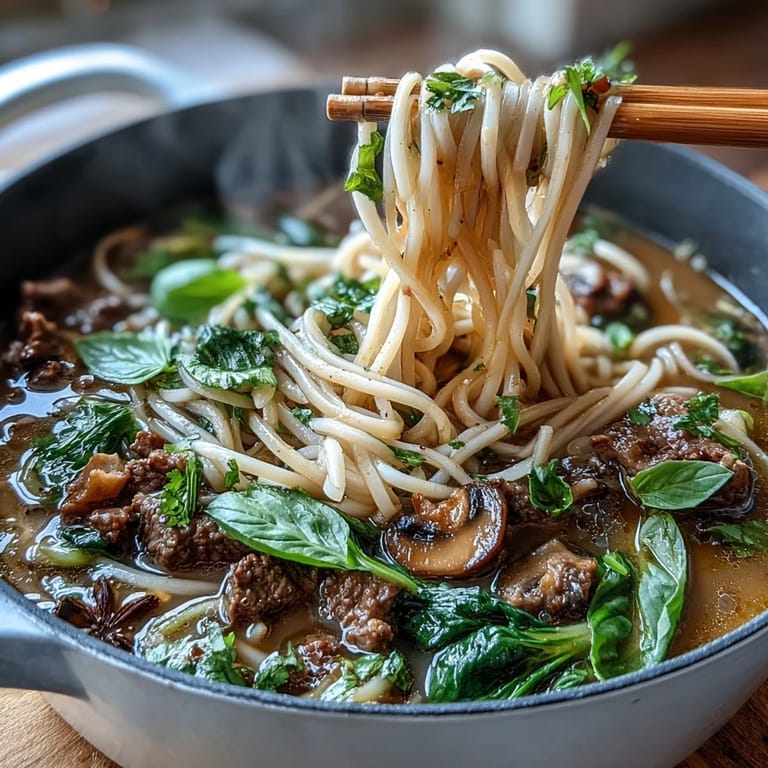
- Star anise: Use just enough to hint at spice without overwhelming, three pods is the sweet spot I learned after one experiment with five.
- Beef sirloin: Freezing it for an hour makes slicing dramatically easier, and slicing across the grain ensures tender bites that cook in seconds.
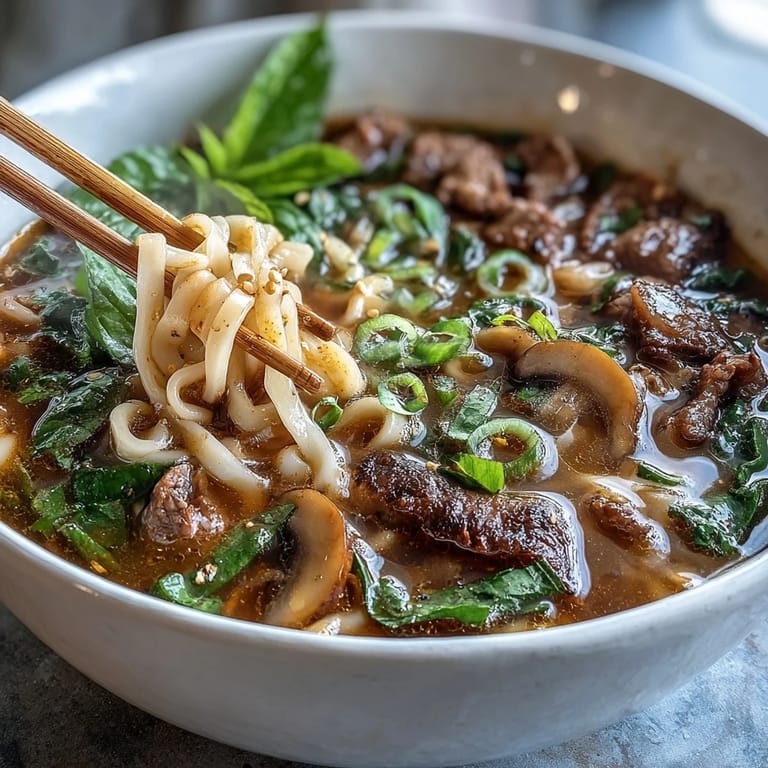
- Rice noodles: Medium width holds the broth better than thin noodles, and soaking them beforehand means no one's waiting around for them to cook.
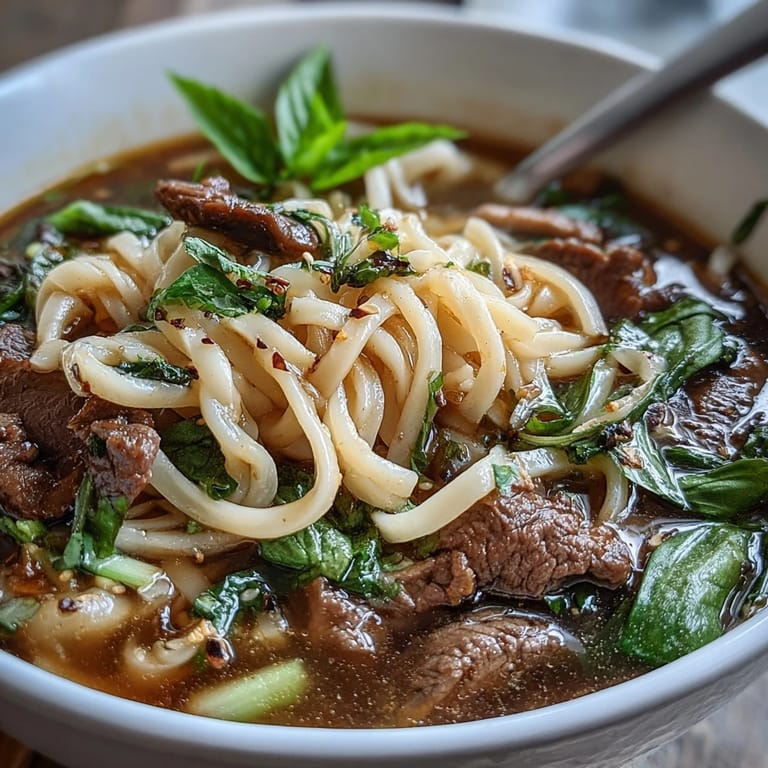
- Bok choy, mushrooms, and cabbage: Choose the freshest vegetables you can find, as they're eating mostly raw or barely cooked, so quality really shows.
- Fresh herbs: Cilantro and Thai basil aren't just garnish, they're the finale that lifts every spoonful from good to unforgettable.
Tired of Takeout? 🥡
Get 10 meals you can make faster than delivery arrives. Seriously.
One email. No spam. Unsubscribe anytime.
Instructions
- Build your aromatic broth foundation:
- In a large pot, combine beef broth, water, ginger, garlic, lemongrass, star anise, soy sauce, fish sauce, sugar, and chili. Bring it to a boil then reduce the heat and let it simmer uncovered for 20-25 minutes, filling your kitchen with this incredible smell that somehow feels both familiar and exotic.
- Strain and taste:
- Once the broth has simmered and deepened in color, strain out all the solids and return it to a gentle simmer. This is the moment to adjust seasonings, so taste it and trust your palate.
- Prepare the noodles:
- Soak your rice noodles in warm water for 20-30 minutes until they're pliable but still holding their shape, then drain them completely. They'll finish cooking in the hot broth at the table, so don't overcook them now.
- Arrange everything on platters:
- Slice your beef thin (it should be almost translucent), chop or slice all your vegetables, and arrange them on large platters with lime wedges and your dipping sauces. This is the part that takes time but feels meditative, and it means everything is ready when guests arrive.
- Set up your portable heat source:
- Place your tabletop burner or electric hot pot at the center of the table and transfer the simmering broth into a shallow pot. Make sure everyone can reach comfortably and that the burner is stable.
- Let everyone cook at their own pace:
- Guests add noodles, vegetables, and beef slices to the simmering broth, and beef cooks in literally seconds while vegetables take a minute or two. Provide slotted spoons and let the chaos unfold beautifully.
- Serve and customize:
- Ladle cooked items and broth into individual bowls, then everyone tops with fresh herbs, lime, and whatever dipping sauce calls to them. This is where the meal becomes personal.
 Save
Save There's something about watching someone taste cilantro and lime for the first time mixed with that aromatic broth, and seeing their eyes light up, that reminds me why cooking for others matters. Hot pot isn't just efficient or delicious, it's permission for everyone at the table to slow down and pay attention to the ritual of making something warm and good together.
Prepping Like a Pro
The night before, I always make the broth completely and store it in the fridge, then gently reheat it while guests are arriving. This removes so much pressure from the actual moment, and honestly the broth tastes even better after sitting overnight as the flavors meld. For the vegetables and beef, I slice and arrange everything on platters an hour or two before dinner, then cover them loosely with plastic wrap so they stay fresh but aren't sitting around getting brown.
Getting the Temperature Right
The broth needs to stay at a steady simmer throughout the meal, not a rolling boil that makes it hard to fish things out, and not so gentle that beef doesn't cook through. I always keep a kettle of extra broth warm on the side in case the pot gets low, and I check the temperature with the burner dial a few times early on so I know where the sweet spot is. Your portable burner might heat differently than someone else's, so give yourself a few minutes before guests sit down to dial in the heat.
Variations and Swaps That Work
I've made this with thinly sliced chicken breast instead of beef when feeding friends avoiding red meat, and it works beautifully and cooks even faster. Shrimp is another favorite addition, though I add it only at the very end since it cooks in one minute. For a vegetarian version, vegetable broth and extra mushrooms create such a rich, earthy foundation that no one misses the meat.
- Swap beef for chicken, shrimp, or extra-firm tofu cut into thin slices.
- Add enoki mushrooms, fresh spinach, or thinly sliced daikon radish to your vegetable spread.
- Make extra dipping sauces by mixing hoisin with lime, or sriracha with a touch of honey.
 Save
Save This meal has become my go-to when I want to feed people without losing myself in the kitchen, and it never fails to turn a regular dinner into something everyone talks about for weeks. There's real warmth in letting people cook alongside you, even if it's just dipping vegetables into a communal pot.
Recipe FAQ
- → What type of broth is used in this dish?
A savory, aromatic broth made from low-sodium beef broth enhanced with ginger, garlic, lemongrass, and star anise.
- → How should the beef be prepared for this dish?
Use thinly sliced beef sirloin, sliced across the grain for tenderness. Freezing the beef for an hour helps with easier slicing.
- → Can the noodles be soaked in advance?
Yes, soak dried rice noodles in warm water for 20–30 minutes until pliable, then drain before cooking at the table.
- → Are there vegetarian alternatives suggested?
Vegetable broth can replace beef broth, with tofu or mushrooms used instead of beef, and fish sauce omitted.
- → What vegetables complement the simmering broth?
Fresh vegetables like baby bok choy, shiitake mushrooms, napa cabbage, carrots, bean sprouts, and herbs such as Thai basil add vibrant flavors and textures.