 Save
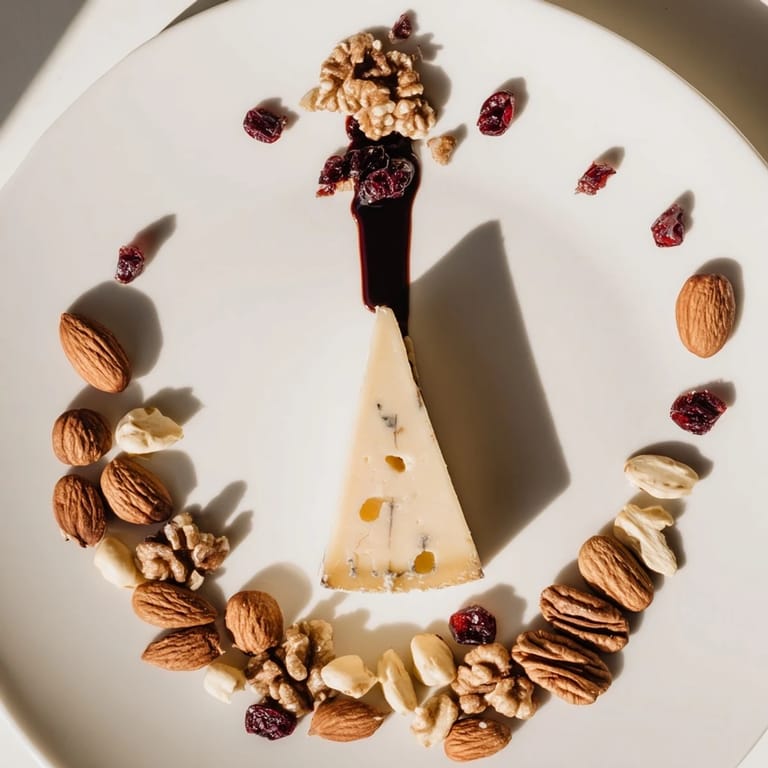
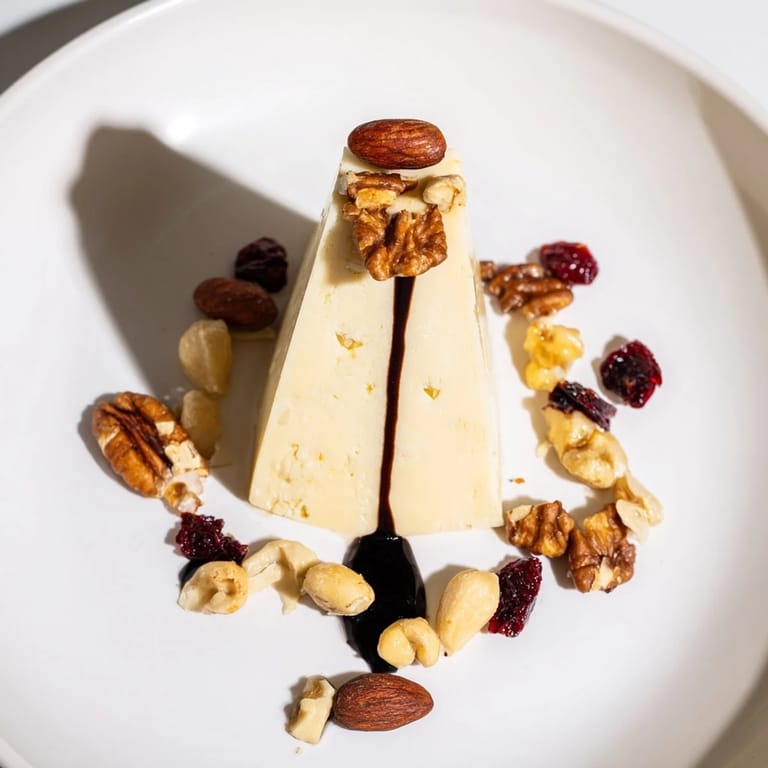
Save There's something magical about arranging food that doesn't need cooking—just intention. I was setting up for a dinner party when I realized I'd been overthinking the cheese board, treating it like it was supposed to be casual. Then I spotted a thick wedge of aged Gouda catching the afternoon light, and suddenly I saw it: not just cheese, but architecture. What if it cast a shadow? Within minutes, that balsamic glaze became a sundial's line, and the nuts transformed from scattered snacks into hours on a clock. My guests spent more time admiring it than eating it, and I learned something that day about how presentation can turn simple ingredients into an actual moment.
I made this for a small group of friends who'd been stress-eating crackers and talking too fast about work. When I set it down, the whole table went quiet for just a second. One of them reached for a walnut first, then a grape, then stopped to take a photo. Suddenly everyone was comparing notes on the cheese, asking if I'd done something fancy. The answer was no—but somehow the simplest things often feel the most impressive when they're arranged with a little thought.
Ingredients
- Aged hard cheese (150g wedge): Parmigiano-Reggiano, aged Gouda, or Manchego work beautifully—you want something that slices cleanly and has personality. The harder and more aged, the better it catches light and holds its wedge shape. I learned this the hard way by grabbing soft cheese once and watching it slide across the platter.
- High-quality balsamic glaze (3 tbsp): This is your shadow—it needs to be thick enough to create a visible line without running everywhere. Buy it premade if you're short on time, or reduce real balsamic vinegar yourself for a deeper, more syrupy finish.
- Roasted almonds (1/3 cup): These are your quiet anchor, neutral and reliable.
- Roasted walnuts (1/3 cup): They bring earthiness and a slight bitterness that plays beautifully against the cheese.
- Roasted pecans (1/3 cup): These are the buttery heart of the arrangement, adding warmth and sweetness.
- Roasted hazelnuts (1/3 cup): They add texture variation and a hazelnut sweetness that most people expect but sometimes forget about.
- Dried cranberries (2 tbsp, optional): These aren't decoration—they're tiny pops of tartness and color that make the whole thing feel intentional.
- Fresh grapes or figs (optional): If you add them, choose ripe ones that look jewel-like against the nuts.
- Edible flowers or microgreens (optional): Only if you have them and they feel right to you.
Tired of Takeout? 🥡
Get 10 meals you can make faster than delivery arrives. Seriously.
One email. No spam. Unsubscribe anytime.
Instructions
- Set your cheese as the center point:
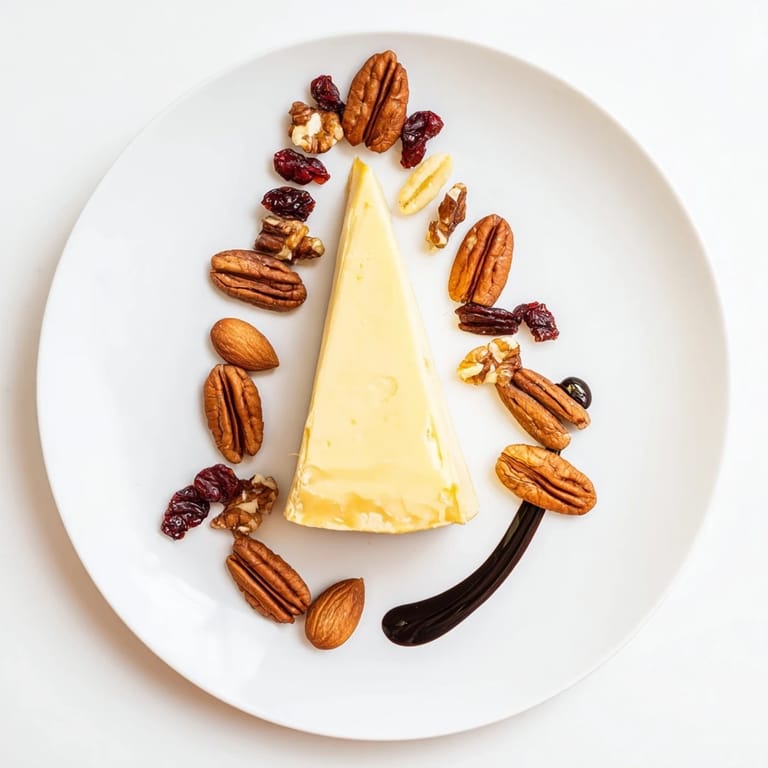
- Place the hard cheese wedge upright in the middle of a large round serving platter, with the pointed end facing outward like a sundial's gnomon. It should feel deliberate, like you've positioned something important. If it wobbles, adjust it until it sits steady—this is your anchor.
- Draw the shadow:
- Using a spoon, carefully drizzle a thick line of balsamic glaze extending outward from the cheese wedge like a shadow. You want it to look intentional, not dribbled—it should feel confident. Go slowly, let gravity help, and if it spreads too wide, that's actually fine.
- Place the hours:
- Arrange 12 small clusters of mixed nuts evenly around the cheese in a circle, as if they're the hours on a clock face. Mix them so each cluster has variety rather than being just one type of nut. Tuck cranberries into some clusters for color and surprise.
- Add polish if you want it:
- If you have fresh grapes, figs, edible flowers, or microgreens, scatter them thoughtfully around the arrangement. These are optional touches—only add them if they feel right to you, not because you think you should.
- Set out the tools:
- Place cocktail picks or small forks nearby so people can help themselves without using their hands.
 Save
Save What surprised me most was realizing that a platter doesn't have to be complicated to feel special. Sometimes the simplest things—good cheese, good nuts, a deliberate arrangement—become the thing people remember.
Why This Works as a Centerpiece
A round platter with a radial design draws the eye to the center and then outward, which means everyone naturally focuses on the arrangement as a whole rather than immediately grabbing. There's a moment of appreciation, which might sound small, but it changes how people approach the food. I've learned that the way you present something signals whether it's meant to be thoughtful or casual, and this design says you've thought about it.
Nut Variations and Flavor Layering
The four types of nuts aren't random—they create a flavor journey. Almonds are neutral and slightly sweet, walnuts bring earthiness, pecans add richness, and hazelnuts contribute a delicate hazelnut note. If you have spiced nuts available, use those instead—they'll add depth and surprise. You could also swap in roasted cashews, pistachios, or macadamias depending on what you like. The key is having variety so that each cluster tastes slightly different, which keeps people interested as they move around the platter.
The Stories Behind the Details
Every element serves a purpose beyond just taste. The balsamic glaze creates visual drama and adds a salty-sweet contrast to the cheese. The cranberries break up the neutral nut tones and add pops of color that make the arrangement feel designed rather than assembled. The fresh elements—if you add them—suggest care and intention. This platter taught me that food styling isn't pretentious when it's honest.
- If your balsamic is too thin, let it simmer gently on the stove for a few minutes to thicken it before using.
- Buy whole nuts when possible and toast them yourself at 350°F for 8 minutes if you want maximum flavor and control.
- Serve this with good bread, olives, or cured meats if you want to round it out into a fuller appetizer spread.
 Save
Save This platter works because it respects both the food and the people eating it. Make it, and you'll see what I mean.
Recipe FAQ
- → Which cheeses work best for the sundial feature?
Firm, aged hard cheeses like Parmigiano-Reggiano, aged Gouda, or Manchego are ideal as they hold their shape upright and offer rich flavor.
- → Can I substitute the nuts used in the clusters?
Yes, you can use a variety of roasted or spiced nuts such as almonds, walnuts, pecans, and hazelnuts to add different flavors and textures.
- → What is the purpose of the balsamic glaze in this presentation?
The balsamic glaze is drizzled to mimic a sundial’s shadow, adding visual interest and a sweet tangy contrast to the cheese and nuts.
- → Are there vegetarian or vegan adaptations possible?
This dish is naturally vegetarian. For a vegan version, plant-based hard cheeses can replace traditional cheese wedges.
- → How can I enhance the platter’s appearance with garnishes?
Fresh grapes, figs, edible flowers, or microgreens can be added around the platter for color and elegance.
- → What pairings complement this cheese and nut centerpiece?
Dry white wines or light Italian reds like Chianti complement the rich flavors well.