 Save
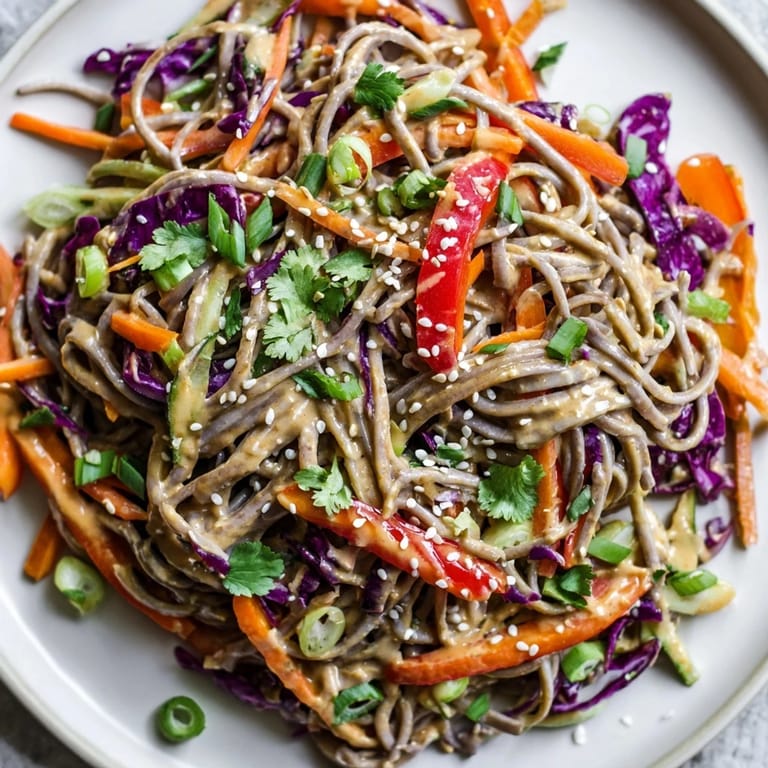
Save One summer afternoon, I found myself standing in my tiny kitchen with a bunch of cilantro I couldn't ignore and a craving for something cold and alive on my tongue. I'd just discovered soba noodles at a market near my apartment, and there was something about their earthy buckwheat flavor that made me want to build something fresh around them rather than follow tradition. This salad came together almost by accident that day—the kind of cooking where you trust your instincts and end up with something you make again and again.
I remember bringing this to a potluck at my friend's house on a sweltering July evening, and watching people go back for seconds—even the folks who claimed they didn't like Asian flavors ended up with empty bowls. There's something about serving food that's refreshing and colorful and tastes like care that makes people lean in and ask for the recipe before dessert even arrives.
Ingredients
- Soba noodles (250 g / 9 oz): These buckwheat beauties cook faster than regular pasta and have a nutty depth that other noodles can't touch—just make sure to rinse them well or they'll clump together like they're plotting against you.
- Carrot (1 medium, julienned): The crunch and sweetness here balance the savory dressing, and julienning them (thin matchsticks) makes them feel intentional rather than like an afterthought.
- Cucumber (1 small, sliced into thin strips): This keeps the whole thing light and crisp—don't skip it even if you think you're not a cucumber person.
- Red bell pepper (1, thinly sliced): The slight sweetness and beautiful color make this salad actually look like something worth eating.
- Spring onions (2, finely sliced): That gentle allium bite wakes up your palate and adds brightness without overpowering.
- Red cabbage (1 cup / 50 g, shredded): It's here for the crunch and the visual drama—plus it holds up beautifully if you're eating this salad over a couple of days.
- Smooth peanut butter or tahini (3 tbsp): This is your dressing base, so don't grab the natural separation kind—the creamy stuff creates a silky emulsion that coats every strand.
- Soy sauce (2 tbsp): Use the good stuff if you can; it makes a real difference in depth of flavor.
- Rice vinegar (1 tbsp): This adds brightness and cuts through the richness without being harsh or loud.
- Toasted sesame oil (1 tbsp): Please don't skip this—it's the secret handshake that makes this dressing taste authentic.
- Maple syrup or honey (1 tbsp): Just enough sweetness to round out the savory elements and balance the acidity.
- Fresh ginger (1 tsp, grated): Grate it right before you use it; the difference between fresh and ground is night and day here.
- Garlic clove (1 small, minced): A single clove is all you need—garlic here is a whisper, not a shout.
- Water (1–2 tbsp): Add this slowly while whisking; you want the dressing to be pourable but still coat the noodles.
- Toasted sesame seeds (2 tbsp): Buy them already toasted or toast them yourself in a dry pan for 2 minutes—the flavor is completely different.
- Fresh cilantro (2 tbsp, chopped): If you're one of those people who thinks cilantro tastes like soap, use parsley instead and no one needs to know.
- Red chili (1 small, thinly sliced, optional): This is your heat if you want it—start small and adjust to your bravery level.
- Lime wedges: For serving and for that final brightness squeeze.
Tired of Takeout? 🥡
Get 10 meals you can make faster than delivery arrives. Seriously.
One email. No spam. Unsubscribe anytime.
Instructions
- Boil the noodles until they're just tender:
- Bring a pot of salted water to a rolling boil and add your soba noodles, stirring gently so they don't stick together. They'll cook in about 5–7 minutes—you want them tender but still with a whisper of bite, not mushy. Drain them in a colander and run them under cold water while you use your fingers to separate any strands that are clinging together.
- Build your dressing with a whisk:
- In a large bowl, combine your peanut butter, soy sauce, rice vinegar, sesame oil, maple syrup, ginger, and garlic. Whisk them together until it looks roughly combined, then start adding water one tablespoon at a time while you keep whisking, until the whole thing becomes smooth and pourable—you want it to coat a spoon but still run off easily.
- Combine everything in one glorious toss:
- Add your cooled noodles and all your vegetables to the bowl with the dressing. Using chopsticks or two forks, toss everything together gently but thoroughly until every strand and vegetable is coated and happy. Taste it and adjust with a pinch of salt, a splash more vinegar, or a drizzle more sesame oil if it needs it.
- Plate and finish:
- Divide the salad among bowls and top each one with a scatter of sesame seeds, cilantro, and chili if you're using it. Serve with lime wedges on the side so people can squeeze and adjust their own brightness.
 Save
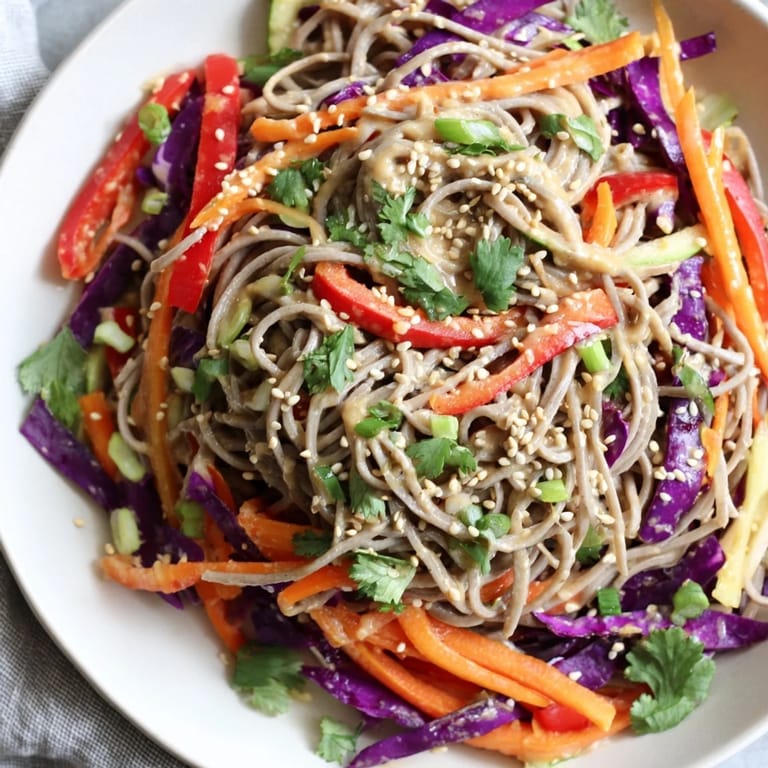
Save There's a moment when you first taste this salad—when the cool noodles meet the creamy dressing, when your teeth break through the crisp vegetables, when that sesame oil and lime brightness hits your palate—and suddenly lunch feels less ordinary. That's the moment I chase every time I make it.
Variations That Still Taste Like Summer
I've made this salad roughly a hundred ways depending on what's in my fridge and what my body is asking for. Sometimes I add shredded grilled chicken or crumbled tofu for protein and substance. Other times I toss in a handful of edamame that I've cooked and cooled, or scatter some roasted cashews on top for extra crunch. On mornings when cilantro feels too heavy, I use mint instead and suddenly the whole thing tastes different—brighter, almost tropical. The beauty of this salad is that it holds together even when you rearrange its parts.
Dressing Deep Dive
This dressing is the real star, and understanding why each ingredient matters makes you a better cook. The peanut butter or tahini creates the creamy base and adds richness and protein. The soy sauce brings umami and saltiness. The rice vinegar provides acid and brightness. The sesame oil is the flavor anchor—it's what makes someone taste this and say it tastes Asian-inspired rather than just peanutty. The ginger and garlic add warmth and depth, while the maple syrup rounds everything out and balances the sharp elements. Water is your tool for adjusting consistency. If you understand this formula, you can make variations forever.
Storage and Make-Ahead Magic
This salad actually improves after a day because the flavors deepen and the noodles absorb more of the dressing's goodness. If you're storing it, keep the components mostly separate—noodles in one container, vegetables in another, dressing in a third. When you're ready to eat, toss everything together and add an extra squeeze of lime juice and a light drizzle of sesame oil, because a day in the fridge will have evaporated some of that brightness. This makes it an ideal recipe for meal prepping through the week, which feels like cheating because you get credit for having lunch figured out.
- Store in an airtight container for up to 2 days and your salad will thank you.
- Leftovers work cold straight from the fridge or gently warmed—though cold is definitely the way this was meant to be eaten.
- If it dries out sitting in the fridge, a squeeze of lime and a light toss will bring it back to life.
 Save
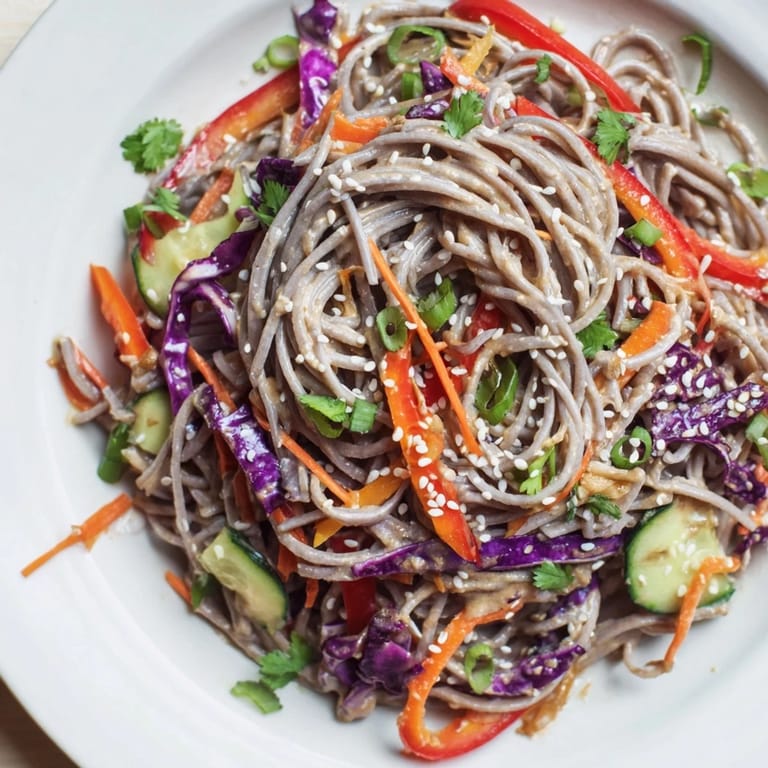
Save This salad became my answer to those evenings when cooking felt like too much but eating something good felt essential. It's the kind of recipe that teaches you something about balance and flavor every time you make it.
Recipe FAQ
- → How do you cook soba noodles properly?
Boil soba noodles for 5–7 minutes until tender, then drain and rinse under cold water to stop cooking and remove excess starch.
- → Can I substitute peanut butter in the dressing?
Yes, you can use tahini instead of peanut butter for a sesame-forward flavor or to avoid nuts.
- → How to make this dish gluten-free?
Use 100% buckwheat soba noodles and replace soy sauce with tamari to keep it gluten-free.
- → What are some protein additions for this salad?
Edamame, grilled tofu, or shredded chicken are great options to boost protein content.
- → How should I store leftovers?
Keep leftovers refrigerated for up to two days and refresh with a squeeze of lime before serving.
- → Can the salad be made less spicy?
Omit the red chili slices or reduce their amount to adjust the spice level to your preference.