 Save
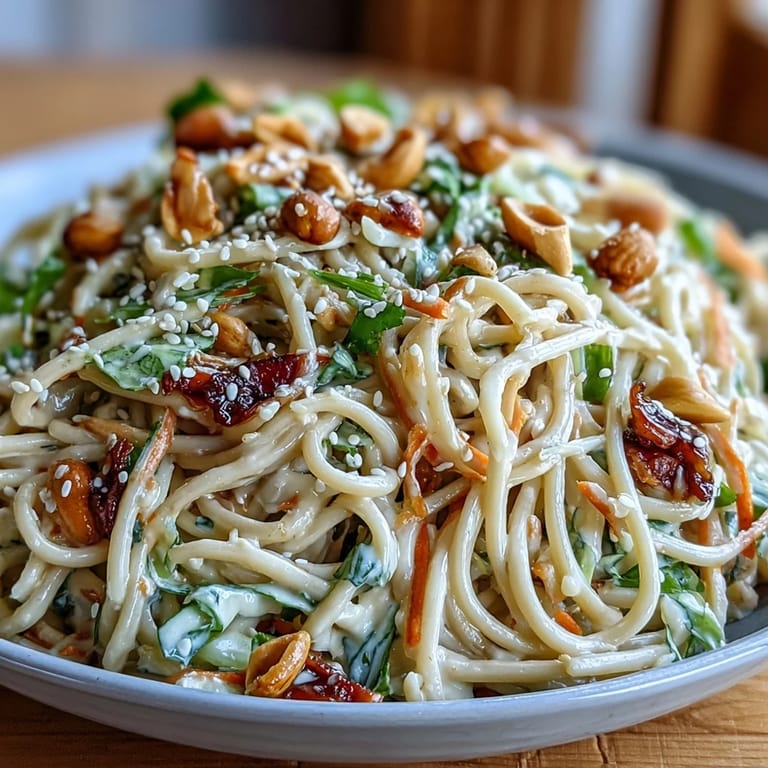
Save There was a Tuesday afternoon when my friend showed up with a container of leftover noodles from a Thai takeout place, and instead of reheating them, we decided to reinvent them from scratch. We chopped vegetables while standing at the counter, the smell of sesame oil filling the kitchen, and by the time we finished tossing everything together with that silky peanut dressing, we realized we'd created something better than the original. That's when this salad became my go-to solution for those moments when you want something bright, satisfying, and completely unpretentious.
I made this for a potluck once where everyone brought something heavy and creamy, and when I set down this bright, crunchy bowl of noodles, people circled back to it three times. One person actually asked if I was secretly a chef, which made me laugh because the whole thing is built on the logic of throwing good ingredients together and letting them speak for themselves.
Ingredients
- Soba or spaghetti noodles (250 g): Soba has an earthier flavor that feels authentic to the dish, but honestly, whatever noodles you have will work; just make sure you rinse them cold so they don't turn into mush.
- Sesame oil (1 tsp for noodles, 1 tbsp for dressing): This is the ingredient that transforms ordinary noodles into something that tastes like it came from somewhere intentional; don't skip it or substitute with regular oil.
- Red cabbage (1 cup shredded): It stays crisp longer than other vegetables and adds a subtle sweetness that balances the savory dressing.
- Carrots (1 cup julienned): Sweet and crunchy, they're what makes people feel like they're eating something genuinely healthy.
- Bell pepper (1, thinly sliced): Use red or yellow for visual pop, and slice them thin so they stay tender without losing their crunch.
- Spring onions (2, thinly sliced): They provide a sharp, fresh note that prevents the whole dish from feeling too heavy.
- Cucumber (1/2 cup julienned): Cooling and refreshing, it's the ingredient that makes this salad feel like summer even in the middle of winter.
- Fresh cilantro (1/4 cup leaves): If you're one of those people who thinks cilantro tastes like soap, just skip it; if you love it, add extra.
- Roasted peanuts (1/4 cup chopped): Buying them already roasted saves time, and rough chopping instead of finely mincing keeps the texture interesting.
- Peanut butter (1/4 cup creamy): The foundation of your dressing; make sure it's just peanuts and salt, not the stuff with added sugar and oil.
- Soy sauce (2 tbsp): Use tamari if you need gluten-free, and remember that soy sauce is salty, so taste the dressing before adding extra seasoning.
- Rice vinegar (1 tbsp): It's gentler and more rounded than regular vinegar, and it doesn't overpower the peanut flavor.
- Honey or maple syrup (1 tbsp): Just a touch to balance the saltiness; maple syrup makes the whole dish vegan if that matters to you.
- Toasted sesame oil (1 tbsp for dressing): Different from regular sesame oil, this one has been toasted and is much more flavorful; a little goes a long way.
- Warm water (1-2 tbsp): Keep it nearby while making the dressing so you can adjust the consistency without having to stop and reheat anything.
- Fresh ginger (1 tsp grated): Freshly grated makes a noticeable difference; if you only have powdered, use about half a teaspoon instead.
- Garlic clove (1 small, minced): One clove is all you need; more than that and the dressing tastes like garlic soup instead of peanut dressing.
- Sriracha or chili sauce (1 tsp optional): Add this if you want heat, but the salad is perfectly balanced without it.
- Toasted sesame seeds (1 tbsp for garnish): They toast themselves in a dry pan for about two minutes if you buy them raw, or just grab the pre-toasted version and move on.
Tired of Takeout? 🥡
Get 10 meals you can make faster than delivery arrives. Seriously.
One email. No spam. Unsubscribe anytime.
Instructions
- Boil and cool your noodles:
- Follow the package timing, drain them in a colander, and run cold water over them until they're completely cooled through; this stops the cooking and prevents them from becoming soggy. Toss them with sesame oil right away so they don't clump together while you're preparing everything else.
- Whisk together the dressing:
- In a medium bowl, combine your peanut butter, soy sauce, rice vinegar, honey, sesame oil, ginger, and garlic, then whisk until smooth. Add warm water a little at a time until it reaches the consistency of pourable sauce, not thick paste.
- Prep all your vegetables:
- Shred the cabbage, julienne the carrots and cucumber, slice the bell pepper into thin strips, and chop the spring onions; having everything ready before you start tossing means the whole process takes two minutes instead of twenty.
- Combine noodles and vegetables:
- In a large bowl, add your cooled noodles, all the vegetables, and fresh cilantro, then toss gently until everything is distributed evenly throughout.
- Dress and toss:
- Pour the peanut dressing over everything and toss thoroughly with two spoons or tongs until every noodle and vegetable is coated; this is the moment where it transforms from separate ingredients into a complete dish.
- Garnish and serve:
- Transfer to a serving platter or individual bowls, then scatter toasted sesame seeds, extra cilantro, and chopped peanuts over the top right before serving. If you're serving it chilled, you can prepare it up to an hour ahead, but wait to add the peanuts until the last minute so they stay crunchy.
 Save
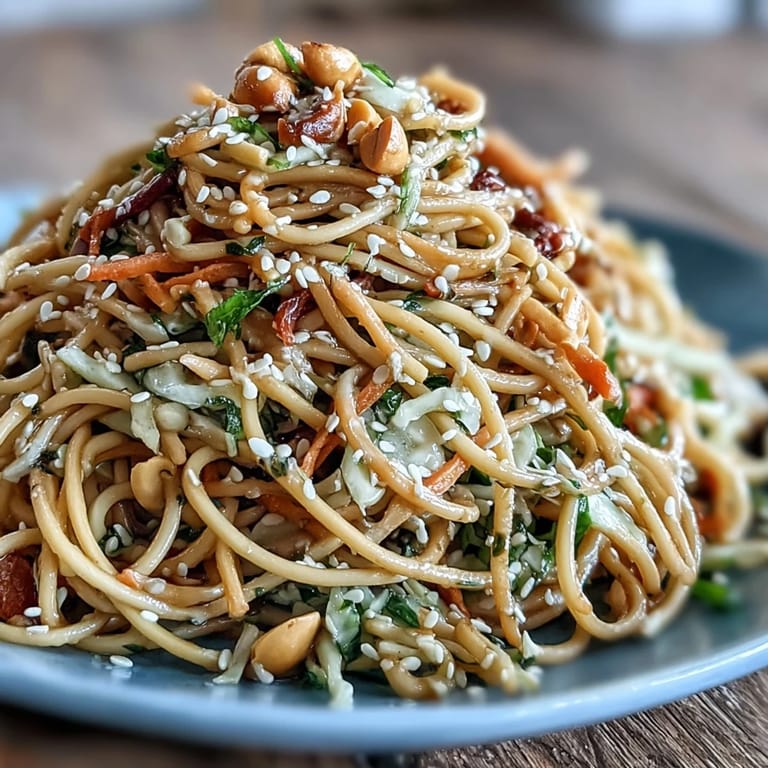
Save My neighbor tasted this once and asked if she could bring it to her book club, which meant I had to write down the recipe instead of just keeping it as my secret weapon. That's when I realized it had become the kind of dish that works for basically any situation where you want something that looks impressive but doesn't require you to stress.
The Dressing is Everything
The dressing is where all the flavor lives, so don't rush it or treat it like an afterthought. I learned this the hard way when I once dumped all the ingredients in at once and ended up with something bitter and broken; now I whisk methodically, tasting as I go, and that extra minute of attention completely changes the outcome. The balance between the creamy peanut butter, the sharp vinegar, the saltiness of soy sauce, and the sweetness of honey is what makes people ask for your recipe.
Why Cold Noodles Matter
Hot noodles will wilt the vegetables and make the whole salad taste steamed instead of fresh, so that step of rinsing them under cold water is genuinely important. I also toss them with sesame oil right away because it creates a thin barrier that prevents them from sticking together into a clump while you're preparing the rest of the components. This is one of those small techniques that feels obvious once you know it but changes everything about the texture and appeal of the final dish.
Customizing Without Losing the Soul
This salad is flexible enough to work with whatever vegetables you have on hand, but there are a few elements you shouldn't mess with if you want it to taste like itself. The peanut dressing is non-negotiable, and the sesame oil in both the noodles and the dressing is what gives it its identity; everything else is just support. Beyond that, add grilled chicken, crispy tofu, or shrimp if you need more protein, use maple syrup instead of honey if you're vegan, or substitute rice noodles for soba if you need to avoid gluten.
- Make it ahead up to two days in advance, but only add the peanuts right before serving so they don't get soggy.
- Leftover salad actually tastes better the next day once all the flavors have merged together.
- If it seems dry when you reheat it, just whisk together another batch of dressing or add a splash of warm water and a touch of sesame oil.
 Save
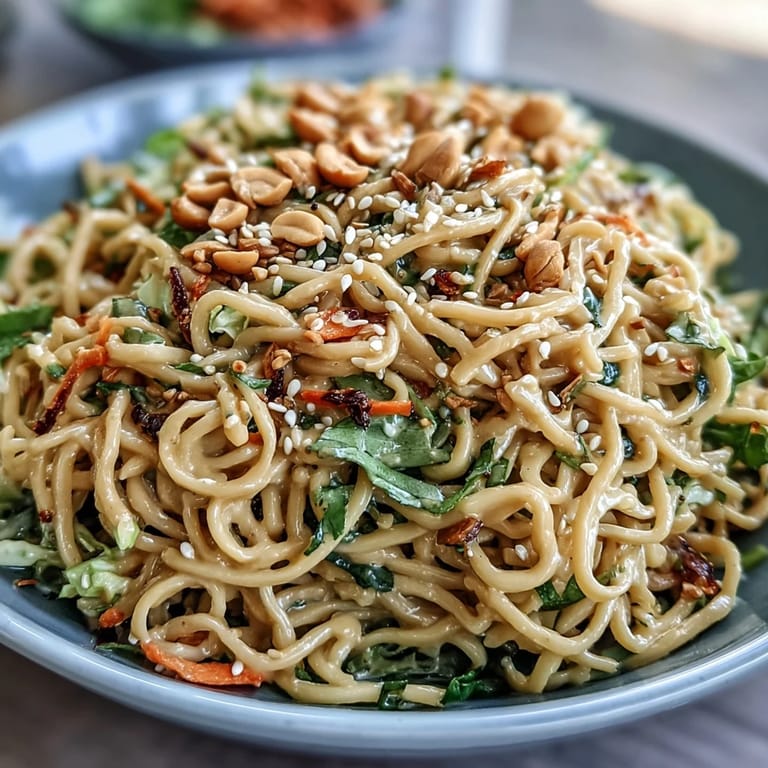
Save This salad has become my answer to almost every question about what to bring, what to make for dinner, or what to eat when you want something that tastes intentional but doesn't require you to spend your entire evening in the kitchen. It's the kind of dish that works equally well as a quiet lunch for one or as part of a spread when people come over.
Recipe FAQ
- → Can I use different noodles?
Yes, you can substitute soba noodles with spaghetti or rice noodles for gluten-free options.
- → How should the peanut dressing be prepared?
Whisk together creamy peanut butter, soy sauce, rice vinegar, honey or maple syrup, toasted sesame oil, ginger, garlic, and sriracha, thinning with warm water if needed.
- → Is this suitable for vegan diets?
Yes, simply replace the honey with maple syrup to make the dish fully vegan-friendly.
- → Can I add protein to this dish?
Grilled chicken, tofu, or shrimp can be added for extra protein to complement the fresh vegetables.
- → How can I keep the salad fresh longer?
Store in the fridge up to 2 days and add peanuts just before serving to maintain crunchiness.