 Save
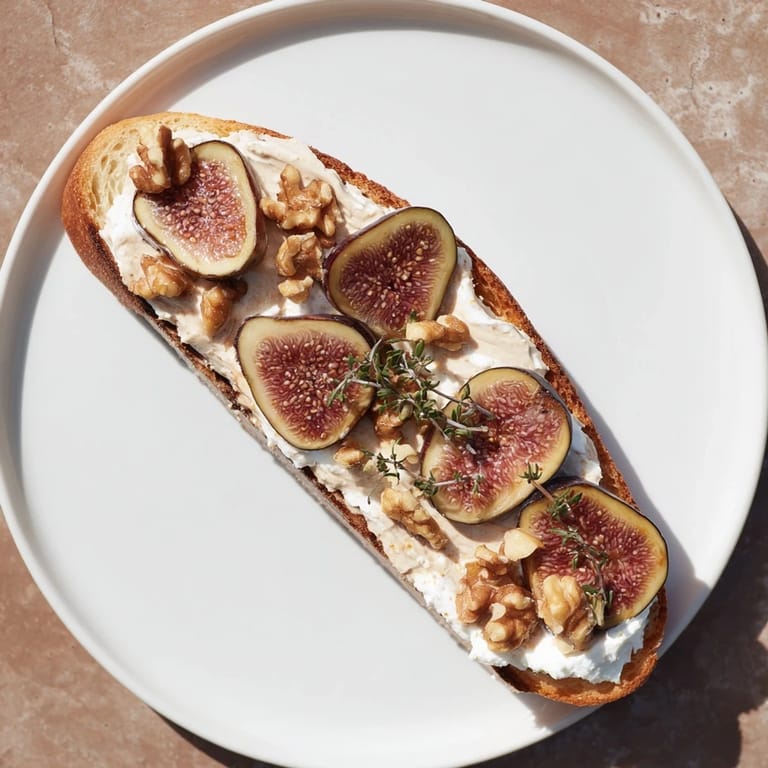
Save I discovered this dish at a small bistro in Lyon on a rainy afternoon, watching the chef layer pâté and figs with deliberate artistry. The way those deep burgundy slices caught the light against creamy goat cheese felt almost architectural. When I finally tasted it, the sweetness of the figs against the rich liver and bright tang of cheese created this conversation in my mouth that I couldn't stop thinking about. I went home determined to recreate it, and after a few attempts, realized the magic wasn't in technique but in treating each component with respect. Now it's become my go-to when I want to feel a little fancy without spending hours in the kitchen.
The first time I served this to friends, I watched a usually quiet colleague close his eyes after the first bite, and then he made this small satisfied noise that broke the ice. That sound told me I'd nailed something important, even though I was nervous the pâté might taste too intense or the figs too sweet. It became the dish I made whenever I wanted people to linger and talk longer, to slow down and actually taste what was in front of them.
Ingredients
- Duck or chicken liver pâté, 200g: The foundation of the whole thing, creamy and rich, so quality matters here more than quantity—splurge a little on a good one from a proper butcher or charcuterie counter.
- Dried figs, 120g, thinly sliced: Their natural sweetness is what balances everything else, so don't skip them or substitute with raisins, which are a completely different vibe.
- Soft goat cheese (chèvre), 80g, room temperature: Cold cheese won't spread or blend well, so take it out of the fridge fifteen minutes before you start, and the tanginess is essential for cutting through the richness.
- Toasted brioche or gluten-free crackers, 12 slices: The toasting is non-negotiable because it adds crunch and prevents sogginess, and brioche's subtle sweetness complements the savory pâté beautifully.
- Toasted walnuts, 40g, roughly chopped: The nuttiness adds earthiness and that crucial textural contrast that makes your mouth wake up with each bite.
- Fresh thyme sprigs, for garnish: This isn't just decoration—those little leaves carry a herbaceous note that ties everything together in the most understated way.
- Fig jam, 2 tbsp (optional): If you use it, just a drizzle; too much and you've tipped into dessert territory.
Tired of Takeout? 🥡
Get 10 meals you can make faster than delivery arrives. Seriously.
One email. No spam. Unsubscribe anytime.
Instructions
- Arrange your foundation:
- Lay your toasted brioche slices or crackers on a serving platter in overlapping rows, like roof tiles or fish scales, which both looks intentional and makes it easy for people to grab them. This shouldn't be haphazard; the visual presentation is half the appeal here.
- Spread the pâté with intention:
- Use a small butter knife to apply a generous but even layer across each piece, using the warmth of the knife to help it spread smoothly. Don't be shy—this is the star of the show.
- Layer the figs:
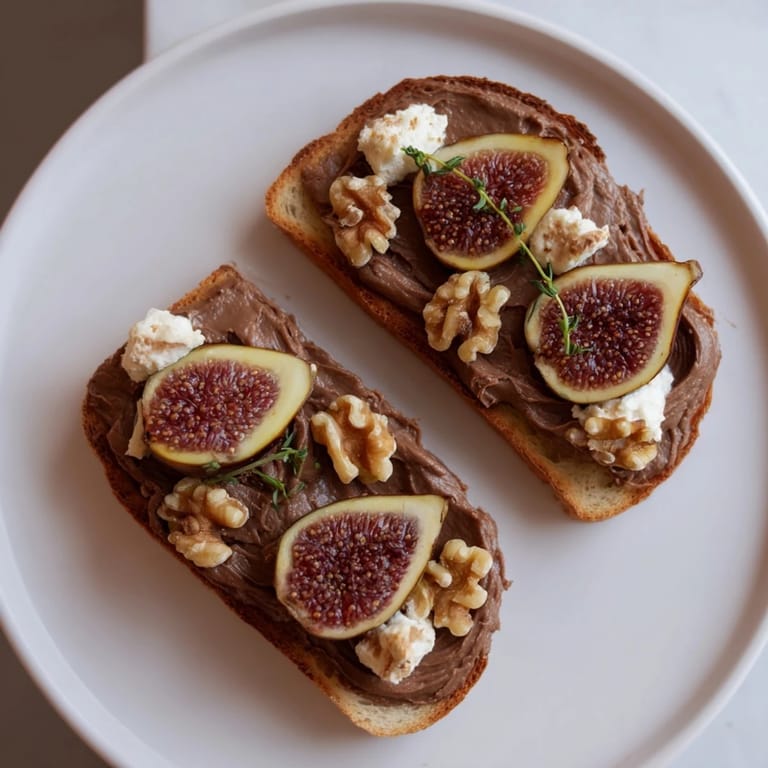
- Arrange thin slices of dried figs across the pâté, creating those striking color contrasts that make the platter sing. Overlap them slightly so you get visual rhythm and ensure nobody gets a plain piece.
- Dot with goat cheese:
- Drop small spoonfuls of the room-temperature cheese among the figs, tucking them in strategically rather than distributing them uniformly. This creates little flavor surprises and keeps things looking organic, not grid-like.
- Add crunch and texture:
- Scatter the chopped walnuts generously across everything, letting some nestle into the gaps and some sit visibly on top. You want texture in every bite.
- Finish and garnish:
- If using fig jam, drizzle it sparingly across the platter, then finish with fresh thyme sprigs placed thoughtfully for color and aroma. Serve right away while the brioche is still crisp.
 Save
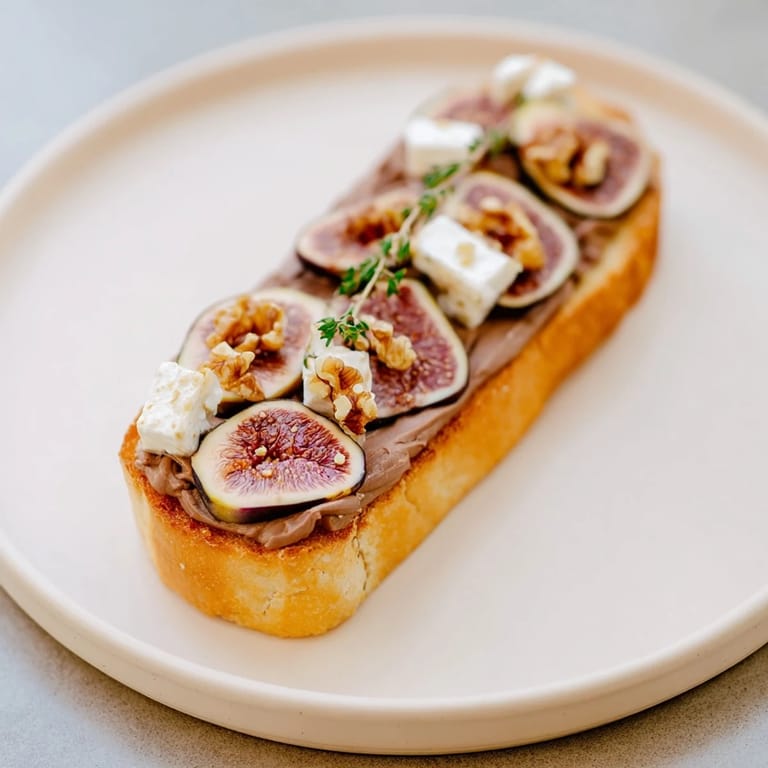
Save There's a moment when you're assembling this where you realize you're not just making food, you're composing something that'll sit in the middle of the table as conversation happens around it. That's when it stops being a recipe and becomes an experience.
The Magic of Contrast
This dish works because every element is doing something different in your mouth simultaneously—the sweetness of figs playing against the umami depth of pâté, the bright tang of goat cheese cutting through richness, the snap of walnuts interrupting creamy textures, and thyme adding this subtle green whisper. It's what makes people take another piece before they've even swallowed the first one. The brioche acts like a neutral stage where all these flavors get to shine without competing.
Wine Pairing Wisdom
Sauternes is the obvious choice because its honeyed sweetness echoes the figs while having enough acidity to cleanse your palate between bites, but honestly a slightly chilled fruity red wine works beautifully too if that's what you have on hand. The key is choosing something with a touch of sweetness to bridge the flavors rather than something austere that'll make the richness feel heavier.
Making It Your Own
Once you nail the basic formula, this becomes a template for experimentation that feels less risky than inventing from scratch. The structure is forgiving because the components are bold enough to handle substitutions, and you get instant feedback about whether something works. I've tried blue cheese instead of goat cheese on nights when I wanted something more assertive, and mushroom pâté for vegetarian friends who said they didn't miss the liver at all.
- Swap in prosciutto for a salty, savory angle, or add a spread of whipped ricotta instead of goat cheese for something lighter.
- Substitute dried apricots for some of the figs if you want a tangier sweetness, or add candied walnuts for a different textural story.
- Try this with rye crisps or spelt crackers if you want earthiness that plays differently with the pâté.
 Save
Save This dish reminds me why I cook—to create those small moments where people slow down and notice flavors dancing together. That's enough.
Recipe FAQ
- → What is the best type of pâté to use?
Duck or chicken liver pâté provides a rich, smooth base, but mushroom pâté works well for vegetarian preferences.
- → Can I use gluten-free bread for this dish?
Yes, gluten-free crackers are a great alternative to brioche while maintaining the dish’s layered texture.
- → How do the dried figs contribute to the flavor?
Dried figs add natural sweetness and a chewy contrast that complements the savory pâté and creamy goat cheese.
- → Is there a recommended cheese alternative?
Blue cheese can replace goat cheese for a stronger flavor profile that contrasts well with the figs and walnuts.
- → What beverages pair well with this appetizer?
Chilled Sauternes or a fruity red wine enhances the complex flavors of the pâté and fig layers.