 Save
Save I discovered this platter one spring afternoon while flipping through a design magazine, captivated by a photograph of soft pink watercolors bleeding into pale reds. It struck me that food could be arranged like art, and I became obsessed with recreating that feeling on a board. The first time I made it for a brunch, my guests actually gasped when they saw it—not just because it was beautiful, but because they realized how much joy a plate could bring before anyone even took a bite. That moment taught me that the most memorable meals feed both the eyes and the heart.
I'll never forget the moment my mother-in-law, who rarely complimented my cooking, stood in front of this platter and said it was too beautiful to eat. Then she did eat it anyway, and asked for the recipe. That's when I knew I'd created something that bridges the gap between nourishment and art, between simple ingredients and genuine magic.
Ingredients
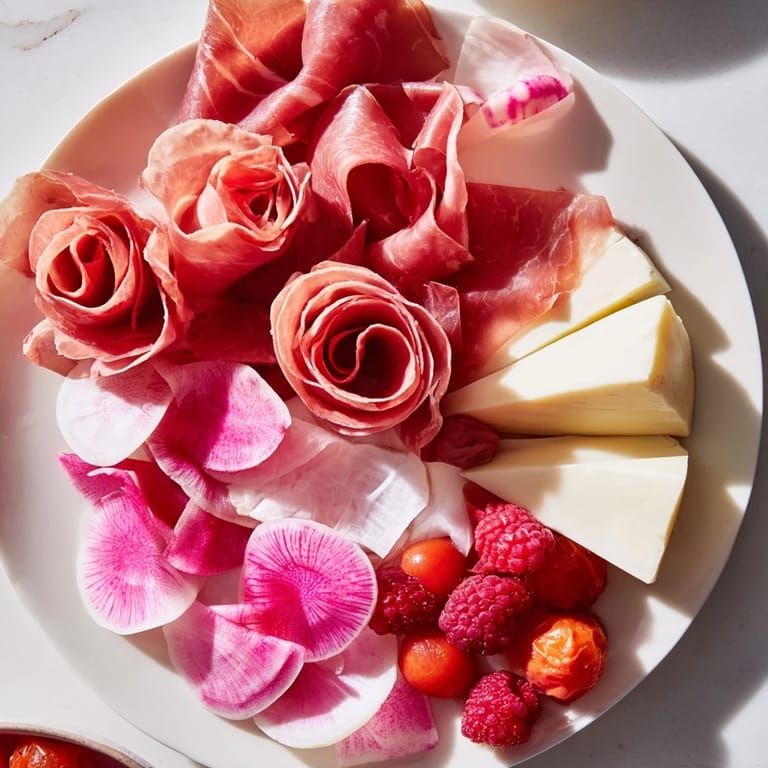
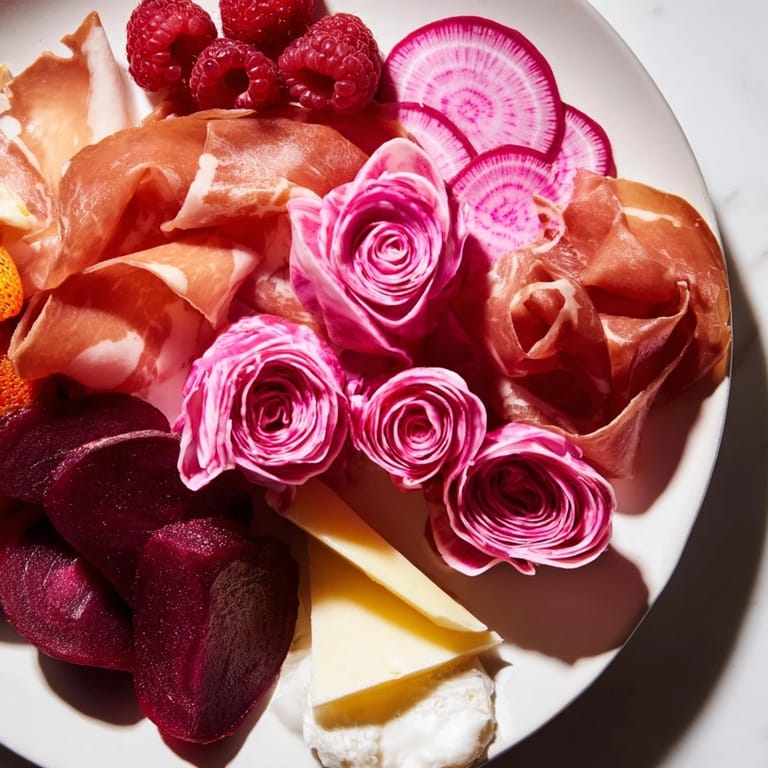
- Prosciutto, thinly sliced: The delicate, salty foundation of your platter—roll it gently into loose roses and don't rush; the wrinkles and folds are what make them look organic and beautiful, not perfect
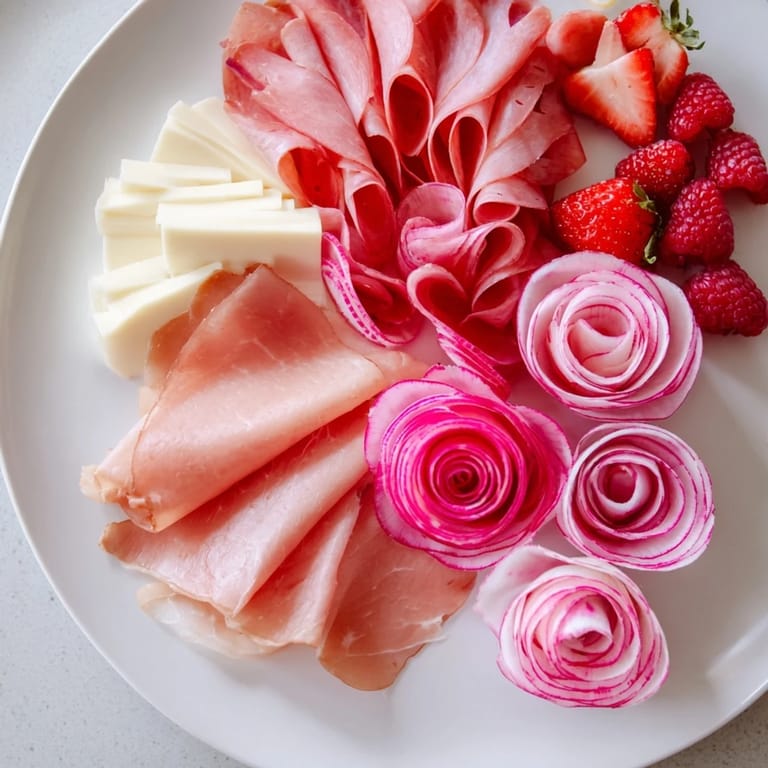
- Mortadella, thinly sliced: Offers a softer, milder contrast to the prosciutto—let it fall naturally into loose folds rather than arranging it rigidly; the casualness is part of the charm
- Pink radishes, thinly sliced: Provide crunch and a subtle peppery bite that wakes up the palate—the thinner you slice them, the more translucent and watercolor-like they become when light hits them
- Watermelon radish, thinly sliced: This is your secret weapon—the hidden pink and white rings inside create a natural bullseye pattern that looks intentional and sophisticated
- Cooked beet, thinly sliced: Adds earthy sweetness and those gorgeous deep magenta tones that anchor the composition
- Pink-hued cheese (port wine Derby, rosé goat cheese, or berry-washed rind): These are the bridge between savory and sweet—choose one that speaks to you color-wise and don't be afraid to ask the cheese counter for recommendations
- Brie or camembert, cut into wedges: The creamy, buttery element that ties everything together—keep it cool until the last moment so it holds its shape
- Baguette, sliced: Provides structure for those who want to build bites, but honestly, some of my favorite moments are eating the cheese and charcuterie straight, no bread needed
- Rice crackers: A gluten-free option that adds textural variety without competing for attention
- Fresh strawberries, halved: The sweetness here is essential—taste one before you add them; if they're bland, your whole platter will feel flat
- Raspberries: Delicate, fragile, and deeply flavorful—add them last because they bruise if handled too much, and a bruised raspberry loses its magic
- Edible rose petals or microgreens: The final flourish that says you cared about every detail—optional but worth the small effort
Tired of Takeout? 🥡
Get 10 meals you can make faster than delivery arrives. Seriously.
One email. No spam. Unsubscribe anytime.
Instructions
- Choose your canvas:
- Select a large platter or board—white ceramic, dark slate, or natural wood all work beautifully, each bringing out different colors. Stand back and imagine the colors flowing across it like actual watercolor paints bleeding into one another. This mental exercise takes thirty seconds but changes everything about how you'll arrange the food.
- Create your prosciutto roses:
- Take a slice of prosciutto in both hands, lay it flat, and gently roll it into a loose spiral, letting the edges fold and wrinkle naturally. Don't make them perfect; the imperfections are what make them look like real roses. Place them in small clusters, leaving space between clusters so your eye can rest.
- Layer the mortadella:
- Drape the slices in soft folds beside the prosciutto, allowing them to ripple like silk fabric. Think about how watercolor paint pools and spreads—you want movement and flow, not rigid lines.
- Paint with vegetables:
- Now comes the meditative part. Arrange your radish and beet slices in overlapping rows, slightly fanned, as if you're actually painting brush strokes. Start with one type, then layer another across it. Stand back frequently to see how the colors interact. This is where the platter becomes art.
- Cluster your cheeses:
- Group the pink cheese and brie wedges in small clusters, positioning them where they visually balance the vegetables and meats. Let some cheese lean against the charcuterie; let some stand alone. Think of these as your color accents, like a painter's final highlight strokes.
- Add bread in curves:
- Rather than a straight line, arrange baguette slices and crackers in gentle curves or scattered throughout. This breaks up any rigidity and invites guests to reach in multiple directions.
- Scatter the berries:
- Place strawberries and raspberries in small piles, creating focal points that draw the eye around the entire board. The sweetness and brightness of the berries should feel like a surprise.
- Finish with finesse:
- If using them, sprinkle edible rose petals or a few microgreens across the board—this is your signature, the thing that makes people realize you thought about beauty as much as flavor.
- Serve with confidence:
- Bring it to the table and let the moment breathe. Describe what you've created if you want, or let the platter speak for itself. Either way, you've made something your guests will remember.
 Save
Save The moment I understood the magic of this platter was when a five-year-old sat in front of it and said, 'Is this food or art?' Her mother laughed, but I realized she'd asked the best question. It is both. And that's exactly why this recipe exists.
The Artistry of Arrangement
This platter is less about following rules and more about trusting your instincts. Think of yourself as arranging flowers rather than organizing food. Colors should transition gently from one area to another, creating visual harmony. If something looks isolated or lonely on the board, it probably is—add a companion nearby. If everything feels too crowded, remove one element and suddenly the whole composition breathes. The best platters feel balanced but not symmetrical, intentional but not rigid. I've learned that the most beautiful arrangements happen when you stop thinking and start feeling. Look at your board in progress and ask: does this make my heart happy? If yes, you're done. If no, trust that you'll know what's missing.
Adapting to Your Ingredients and Season
The genius of this platter is its flexibility. If you can't find a pink-hued cheese, any pale cheese with a rosy tint works—I've used smoked gouda, aged gruyère with paprika, even a simple fresh mozzarella. If strawberries aren't in season, don't force it; substitute with sliced pear, apple, or even pomegranate seeds. The framework stays the same, but the ingredients shift with what's available and beautiful in your market. I once made this in autumn and used roasted beets, apple slices, and a creamy aged cheddar, and it was just as stunning as the spring version. The lesson here is that seasonal eating isn't a limitation—it's an invitation to adapt and discover new combinations.
Making It Work for Different Occasions
This platter is endlessly adaptable depending on your needs and the time of day. For a brunch, lean into the fruits and fresh elements, maybe add a small pot of honey on the side. For a wine and cheese evening, increase the cheese varieties and add some pickled elements like cornichons or pickled onions. For a vegetarian gathering, simply omit the meats and double down on the vegetables, cheeses, and fruits—the beauty remains intact. I've made this for baby showers, gallery openings, quiet dinners with close friends, and each time it felt custom to the occasion while maintaining its essential character.
- For a sharper flavor profile, add pickled onions, pink peppercorns, or cornichons tucked between other elements
- For a sweeter lean, include honeycomb, dried apricots, or a small dish of fig jam on the side
- For additional texture, scatter toasted nuts like pistachios or sliced almonds across the board
 Save
Save Every time I place this platter on a table, I'm reminded that feeding people is an act of love that begins the moment they see the food. This one whispers elegance, ease, and care in equal measure. Make it for someone you want to impress, or make it for yourself and feel impressed by what you've created.
Recipe FAQ
- → How do I create rose shapes with prosciutto?
Thinly slice the prosciutto and gently roll or fold each slice into small rose-like forms before placing them on the platter.
- → What cheeses suit this platter's pink theme?
Pink-hued cheeses like rosé goat cheese, port wine Derby, or berry-washed rind cheese complement the visual theme best.
- → Can I prepare this dish ahead of time?
It's best assembled shortly before serving to keep ingredients fresh, especially delicate fruits and rose-shaped meats.
- → Are there vegetarian alternatives for the meats?
Omit the prosciutto and mortadella, and increase cheese and vegetable portions for a vegetarian-friendly option.
- → What garnishes enhance this arrangement?
Edible rose petals or microgreens add elegance and a fresh touch, perfectly enhancing the visual appeal.
- → What beverages pair well with this platter?
Light rosé wines complement the flavors and maintain the delicate, spring-inspired feel of the platter.