 Save
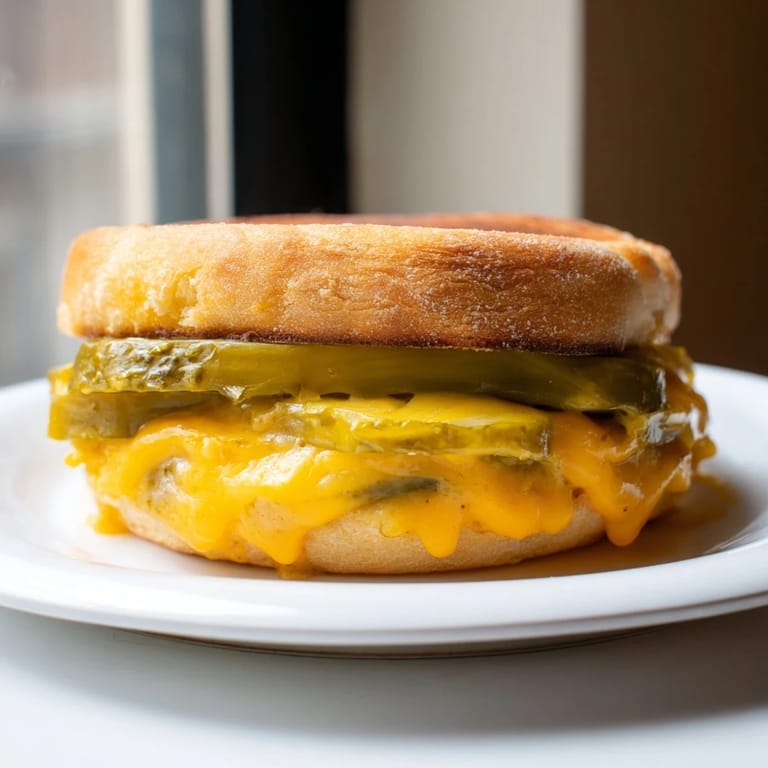
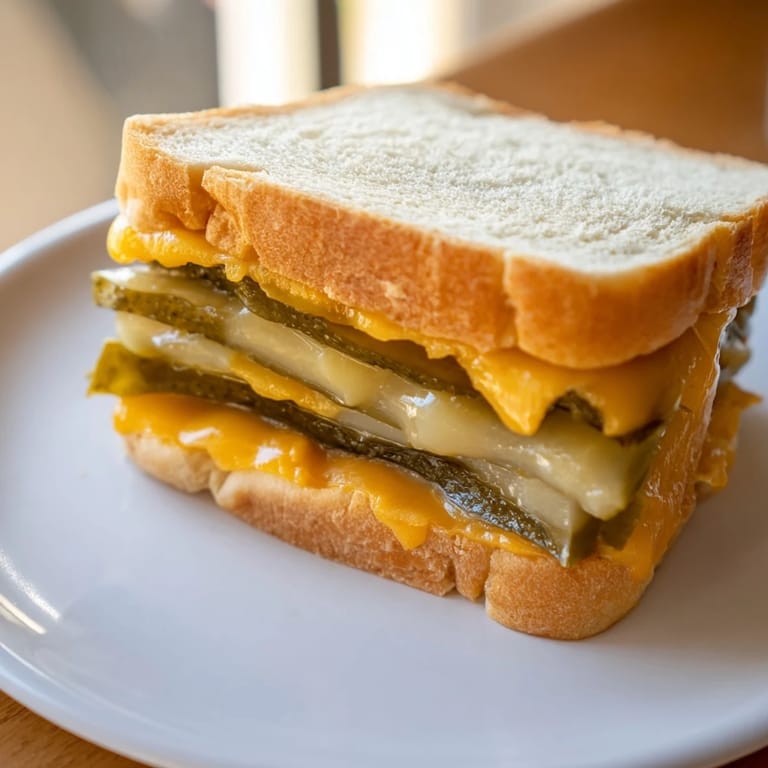
Save I discovered this sandwich entirely by accident one weeknight when I was staring into my fridge, hungry and unwilling to bread anything. There was a wedge of sharp cheddar catching the light, a jar of tangy dill pickles I'd forgotten about, and suddenly I was wondering: what if the cheese itself became the bread? Twenty minutes later, I was holding something crispy-edged and gloriously melted, the pickles sealed inside like little flavor capsules. It felt like I'd cracked some secret code that afternoon.
My friend Marcus came over during football season and I made these on a whim while preheating the oven. He watched the whole thing with skeptical silence until he bit into one and made that sound—you know, when food actually surprises someone. He ate both sandwiches while yelling at the TV, barely pausing to chew. That's when I knew this wasn't just a kitchen experiment anymore.
Ingredients
- Sharp cheddar cheese slices: Use thick slices (about ¼ inch) so they hold their structure when melted; thinner cheese won't give you that satisfying crispy edge, and the pickles need something substantial to grip.
- Sandwich pickle slices: The longer dill slices work best because they stay in place and dry out properly on the baking sheet; pat them carefully with paper towels or they'll steam instead of staying crispy.
- Mayonnaise (optional): Adds moisture and richness between the buns if you're layering fillings; skip it if you like things ultra-savory.
- Dijon mustard (optional): A teaspoon is plenty—it cuts through the cheese and pickle sharpness with just the right amount of heat.
- Tomato slices (optional): Slice them fresh and pat them dry to avoid sogginess; cold tomato against warm cheese is a textural moment.
- Deli turkey or ham (optional): Adds protein and a salty layer that deepens the whole flavor profile.
Tired of Takeout? 🥡
Get 10 meals you can make faster than delivery arrives. Seriously.
One email. No spam. Unsubscribe anytime.
Instructions
- Heat your oven and prep the stage:
- Preheat to 400°F and line your baking sheet with parchment paper—this keeps the cheese from sticking and makes cleanup feel less like a crime scene. The parchment is your friend here.
- Arrange the cheese foundation:
- Lay down four cheddar slices with space between each one, like you're setting the stage for something important. They'll need room to spread slightly and get those crispy edges you're after.
- Build the pickle layer:
- Fan the pickle slices across each cheese slice in overlapping rows, covering as much surface as you can without leaving gaps where the cheese will bubble up alone. Think of it like shingling a roof, but delicious.
- Seal with the top bun:
- Press another cheddar slice on top of each pickle-loaded base, pressing gently so the pickles stay in place but the cheese isn't compressed flat. You want them nestled together, not crushed.
- Bake until golden and bubbly:
- Seven to eight minutes is usually the sweet spot—watch for the edges to turn golden brown and the center to bubble slightly at the edges. Every oven is a little different, so trust your eyes more than the timer.
- Cool just enough to handle:
- Let them rest for five minutes on the baking sheet; this is when the cheese sets from bubbly lava into something you can actually pick up without it sliding apart. This pause is non-negotiable.
- Add your fillings (if using):
- Spread a thin layer of mayo and mustard on the inside of each bun, layer your tomato and meat, then press together gently. The warmth of the cheese buns will soften everything just right.
- Serve immediately:
- Eat these while they're warm and the cheese still has that slight give; cold, they become rigid and lose their magic.
 Save
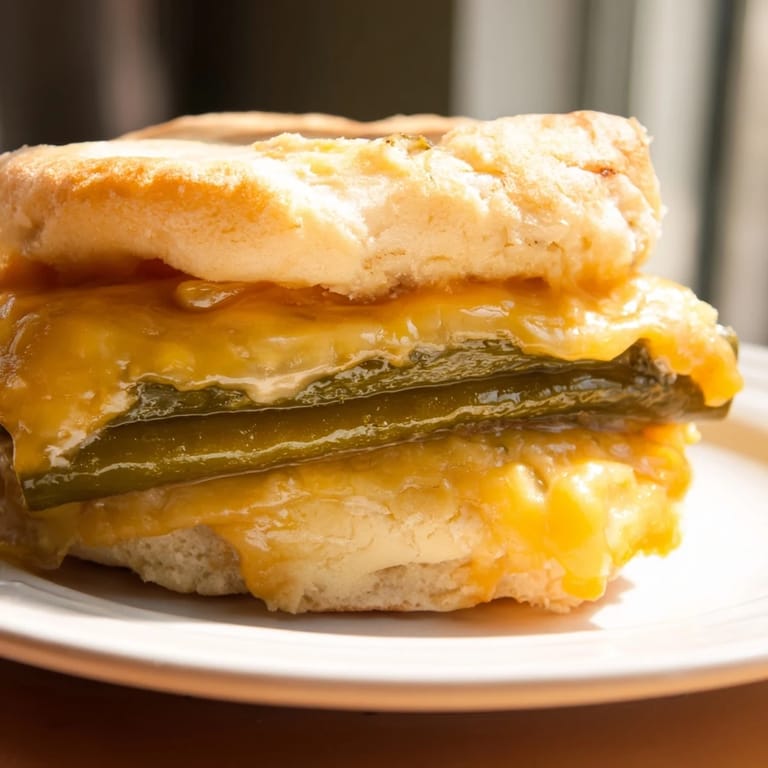
Save There was a quiet moment after that first batch came out of the oven when I just stood there listening to the cheese crackle slightly as it cooled, the smell of melted sharp cheddar and dill filling the whole kitchen. It felt like a small victory, the kind where nobody else has to know about it but you feel it anyway.
Why These Buns Work
Cheese on its own in the oven just melts into a puddle, but the pickle layer acts like a scaffolding—it absorbs some of the moisture and creates pockets of texture that keep the whole thing from collapsing into one flat disk. The pickles also release their brine slowly, seasoning the cheese from the inside out instead of making it soggy. It's the kind of culinary accident that works because of physics, not luck.
The Low-Carb Angle
If you're watching carbs, this is the sandwich format that actually feels like you're not missing anything because you're not—you're getting bread texture, crunch, savory depth, and warmth all from whole ingredients without any flour or sweeteners lurking in the background. It's one of those rare meals that satisfies the sandwich craving while keeping you in your groove.
Custom Flavor Combinations
Once you nail the basic cheese-pickle formula, you can riff on it endlessly depending on your mood and what's in your kitchen. I've swapped sharp cheddar for creamy Swiss, layered in sliced jalapeños for heat, and even pressed fresh dill between the cheese and pickles for an herbaceous twist. The frame stays the same, but the painting inside changes every time.
- Try provolone or smoked gouda for a completely different vibe without changing a single step.
- A thin spread of spicy brown mustard instead of Dijon shifts the whole flavor balance toward something bolder.
- Add a small pinch of cayenne pepper between the cheese layers if you want heat without extra moisture.
 Save
Save This sandwich has become my go-to when I need something that tastes intentional but feels effortless, something that proves the best kitchen discoveries rarely come from following a recipe perfectly. Make these warm, eat them with your hands, and notice how one simple idea turned into something you'll probably make again next week.
Recipe FAQ
- → How do I prevent the cheese buns from sticking?
Line your baking sheet with parchment paper or use a nonstick spray before arranging the cheese slices. This prevents sticking and makes removal easier once baked.
- → Can I use other types of cheese for the buns?
Yes, Swiss or provolone cheeses work well as alternatives, offering different flavor profiles while still melting nicely to form sturdy buns.
- → What makes the sandwich low-carb?
The cheddar cheese buns replace traditional bread, significantly reducing carbohydrates while providing rich flavor and texture.
- → How long should I bake the cheese buns?
Bake at 400°F (200°C) for 7–8 minutes until the cheese is bubbly and golden brown at the edges, which ensures crispiness and easy handling.
- → Are there recommended fillings to pair with the sandwich?
Optional additions include mayonnaise, Dijon mustard, tomato slices, or deli turkey/ham for added moisture and flavor contrast.
- → Can I add extra crunch to the sandwich?
Adding shredded lettuce or spicy pickles like jalapeños can enhance the texture and add a kick of heat.