 Save
Save I'll never forget the first time I laid eyes on a monochrome cheese board at a dinner party in a friend's loft—it was all steely grays, deep charcoals, and elegant shadows dancing across slate. The sophistication of it stopped me mid-conversation. I remember thinking, "I have to recreate this magic at home," and when I finally did, arranging those ash-ridden cheeses under soft lighting, I understood what she meant by making food that tells a story before anyone even takes a bite.
The first time I served this board was for a small gathering on a rainy autumn evening. As my guests arrived, everyone gravitated toward the table, drawn by something they couldn't quite name—the play of textures, the depth of the color story. One friend whispered, "This is the most elegant thing I've ever seen on a cheese board," and right then I knew this wasn't just appetizer; it was a moment we'd all remember.
Ingredients
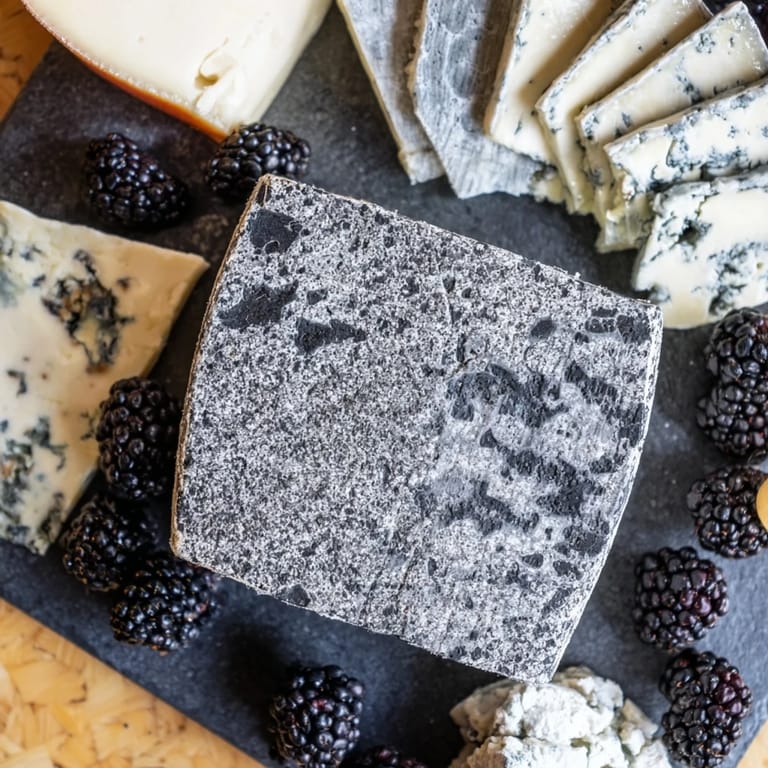
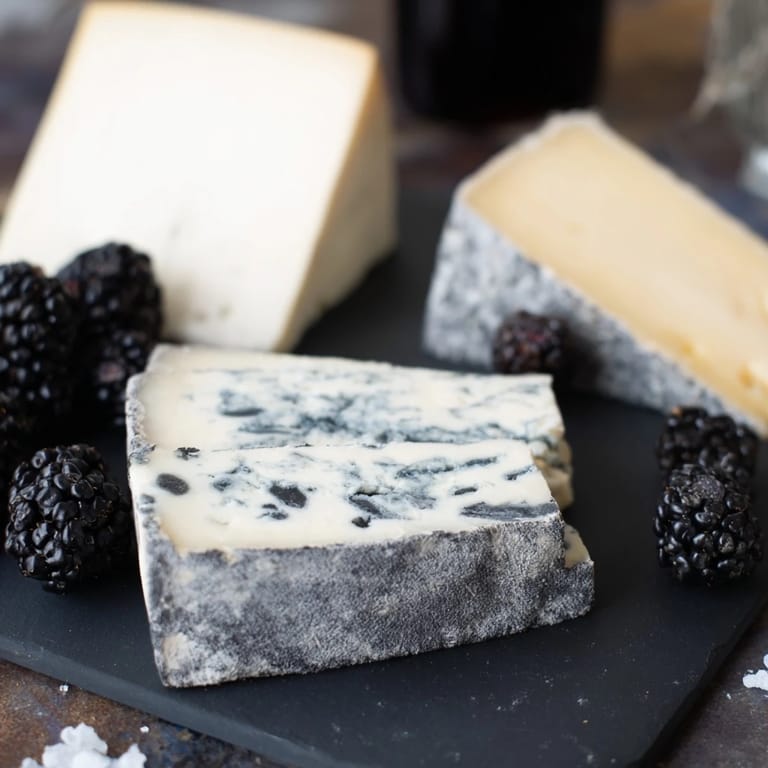
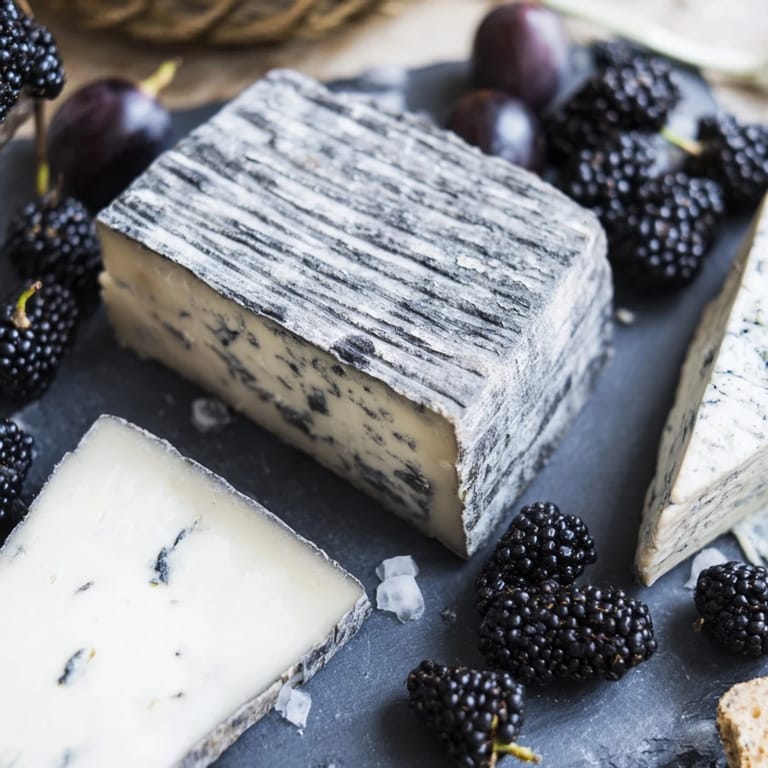
- Morbier or ash-rinded semi-soft cheese (150 g): This is your star player—that distinctive dark line running through the middle isn't just for show, it tells the story of how it's made. Look for one that feels slightly creamy when you press it gently; this is what gives your board its luxurious feel
- Humboldt Fog or ash-ripened goat cheese (120 g): The delicate ash coating on this one is edible and adds a subtle earthy note. I learned to slice it when it's slightly chilled—it prevents the knife from dragging through the soft interior
- Valdeon blue cheese or gray-veined blue (100 g): The natural blue-gray veining in this cheese is what ties the whole monochrome story together. It's bold and creamy, and a little goes a long way
- Slate-colored charcoal crackers (8-10 pieces): These are the unsung heroes that complete the visual narrative. They're harder to find than regular crackers, but specialty stores usually stock them, and they taste as sophisticated as they look
- Dark rye or pumpernickel bread (6-8 slices): The deeper the color, the better. These slices ground the board with substance and earthiness
- Black grapes or dark plums: Fresh fruit adds juicy sweetness and breaks up the richness of the cheese. The dark skin means they disappear visually into the monochrome theme
- Blackberries or blueberries: These small jewels of fruit are your secret weapons—they fill gaps on the board and add pops of subtle color that don't break the elegant mood
- Black olive tapenade (2 tbsp): Spoon it into a small dark bowl, or if you're feeling bold, place it directly on the board. It's briny, complex, and perfectly on-theme
- Edible charcoal salt: A pinch of this transforms the board from lovely to luxurious. It adds visual drama and a subtle mineral note that enhances the cheese
- Fresh rosemary or thyme sprigs (optional): Even though they're green, a small sprig tucked into the arrangement feels like a whisper of nature against all that sophisticated gray
Tired of Takeout? 🥡
Get 10 meals you can make faster than delivery arrives. Seriously.
One email. No spam. Unsubscribe anytime.
Instructions
- Prepare your canvas:
- Start with a large dark stone or slate board—this is the foundation of everything. Make sure it's clean and dry. There's something about dark stone that makes everything on top of it look more intentional, more curated.
- Introduce the cheeses:
- Slice each cheese to your preference—I like to cut Morbier into thin wedges to show off that beautiful dark line, keep Humboldt Fog in small thick slices (it holds together better this way), and crumble or cut the blue cheese into rough chunks. Space them out across the board as if you're placing sculptures in a gallery, leaving room for everything else to breathe.
- Build the bread foundation:
- Fan out your charcoal crackers in little stacks around the cheese sections. Arrange the pumpernickel slices nearby—these darker elements create visual highways that guide the eye across the board. I like to overlap them slightly so they look abundant without being crowded.
- Scatter the fruit thoughtfully:
- Create small clusters of dark grapes or plum slices in the gaps between cheese and crackers. Then sprinkle blackberries and blueberries almost like you're adding finishing touches to a painting. Let them fall naturally into crevices and spaces—perfection here looks accidental.
- Add the tapenade moment:
- If you're using a small dark bowl, nestle it into the board. If you're placing the tapenade directly on the slate, use a small spoon to create a dark, glossy pool. Either way, it becomes a focal point and a flavor anchor.
- The finishing magic:
- Here's where it all comes together—sprinkle a pinch of edible charcoal salt over the cheeses. You'll see the board transform. Add your fresh herb sprigs if using them, letting just a hint of green peek through all that moody gray and black. This is your finishing touch, the moment where a cheese board becomes a statement.
- The final reveal:
- Step back for a moment and look at what you've created. Serve immediately with cheese knives and small plates. The board is at its most beautiful when it's fresh, when the contrast between ingredients is sharpest.
 Save
Save I remember my mother-in-law arriving early to that first monochrome dinner, before any guests showed up, and she spent five minutes just looking at the board before touching anything. "This looks like it belongs in a museum," she said. That's when I realized this wasn't just about feeding people—it was about creating a moment where food becomes art, where the simple act of arranging cheese and crackers on stone becomes an act of love and intention.
The Monochrome Philosophy
There's something deeply satisfying about working within constraints, and the monochrome palette teaches you that lesson immediately. When you remove the distraction of color variety, you're forced to pay attention to texture, shape, and the subtle variations in tone. The charcoal crackers catch light differently than the pumpernickel. The ash rind on the Morbier glows against the darker slate. The blueberries reveal unexpected depths when they're surrounded by gray. This board is a masterclass in making less say more.
Pairing with Wine and Intention
I learned early that a monochrome cheese board deserves a wine that matches its mood. Malbec, with its deep color and structured tannins, feels at home here. A smoky pinot noir works beautifully too, especially if you want something slightly lighter but equally elegant. The key is choosing wines with character and depth—wines that don't apologize, much like this board itself. Serve them slightly cooler than room temperature, and watch how the dark glass and deep wine color complete the entire visual story on your table.
Creating Your Own Gray Palette
The magic of this board is that it's an invitation to be creative within structure. Not every cheese with an ash rind looks the same—some have thicker coatings, some have more pronounced veining. Visit a good cheese counter and ask questions. Let the cheesemonger guide you toward varieties with gray or blue-gray tones. Look for crackers that feel artisanal and dark. The goal isn't to recreate this exact board but to understand the philosophy and make it your own. I've made versions with different cheeses each time I wanted to serve this, and each one has been unique and equally stunning.
- Hunt for charcoal crackers at specialty food stores, farmers markets, or online—they're worth the effort
- Don't be afraid to include different types of blue cheese if Valdeon isn't available; any cheese with gray or blue veining works beautifully
- Consider the season and adjust fruits accordingly—in winter, dark grapes are perfect; in late summer, dark plums or blackberries shine
 Save
Save This board has become my go-to when I want to impress without stress. It's taught me that elegance isn't complicated—it's just knowing what to include and what to leave out.
Recipe FAQ
- → What types of cheeses are used for this board?
The board features ash-rinded Morbier or similar semi-soft cheeses, Humboldt Fog goat cheese with ash ripening, and Valdeon blue cheese showcasing gray veining.
- → How do I maintain the monochrome aesthetic?
Stick to gray, slate, and deep dark hues such as ash-rinded cheeses, charcoal crackers, pumpernickel bread, and dark fruits like black grapes or plums for a consistent look.
- → What garnishes complement this cheese board?
Fresh sprigs of rosemary or thyme provide an herbal contrast and enhance visual interest without overpowering the presentation.
- → Are there alternatives to charcoal crackers?
Yes, black sesame crackers or other dark-hued crackers from specialty stores work well to maintain the monochrome palette.
- → How should the board be arranged for best impact?
Arrange sliced cheeses in distinct sections, fan crackers and breads around them, and fill gaps with clusters of dark fruits, finishing with tapenade and a sprinkle of edible charcoal salt.