 Save
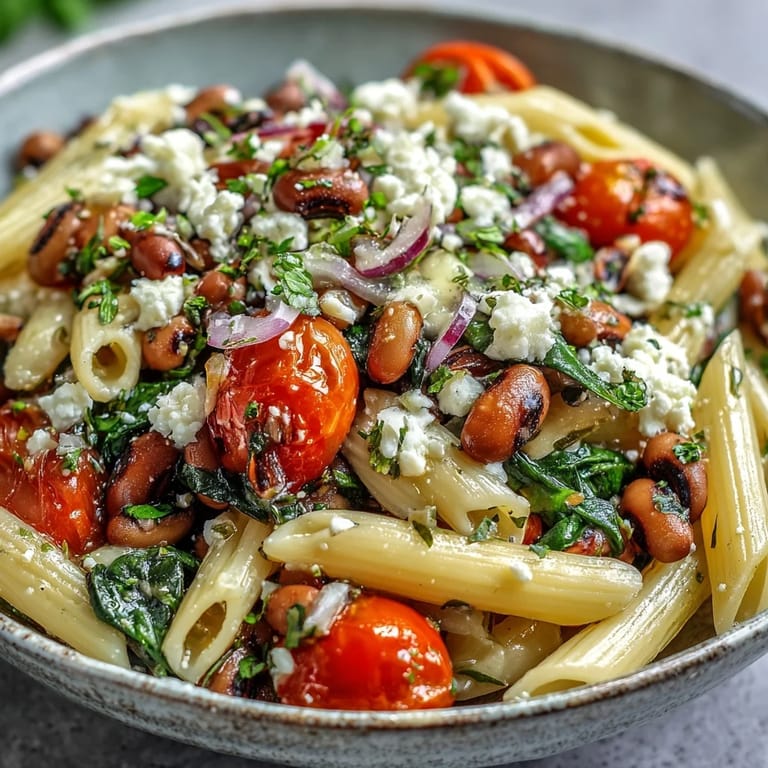
Save There's something about black-eyed peas that catches you off guard in the best way. I was experimenting with what felt like a hundred cans in my pantry one Thursday evening, not really hunting for anything fancy, when I tossed them into a warm skillet with garlic and olive oil. The smell alone made me stop scrolling through my phone. That evening turned into this pasta dish, and honestly, it's become the thing I make when I want something that feels intentional but doesn't demand hours of my attention.
I made this for a dinner party where I was honestly nervous about having enough food, and it turned out everyone went back for seconds. My neighbor who usually orders takeout three times a week asked for the recipe, which felt like a small victory. Watching people enjoy something simple that you threw together from pantry staples is oddly grounding.
Ingredients
- Pasta (300 g or 10 oz short pasta such as penne, fusilli, or farfalle): Short shapes catch the sauce better than long strands and hold the black-eyed peas in their curves, so skip the spaghetti here.
- Black-eyed peas (1 can, 400 g or 14 oz, drained and rinsed, or 250 g or 1½ cups cooked): Canned work perfectly fine and honestly save you the planning ahead that dried beans demand, though rinsing them well makes a real difference.
- Extra-virgin olive oil (3 tablespoons): This isn't the time to skimp on quality, as it's basically the foundation of the whole dish and you'll taste it directly.
- Garlic cloves (3, finely sliced): Slicing instead of mincing keeps the garlic from disappearing and gives you those golden, toasty bits to bite into.
- Red onion (1 small, thinly sliced): The red variety brings a subtle sweetness and those beautiful purple streaks that actually mean something here, not just for looks.
- Fresh oregano (1 tablespoon) or dried (1 teaspoon): Oregano and black-eyed peas were basically made for each other in Mediterranean cooking.
- Fresh parsley (2 tablespoons, chopped): Adds brightness at the very end and keeps everything from tasting too one-note.
- Fresh basil (2 tablespoons, chopped): Stir this in off the heat so it stays vibrant and fragrant instead of turning dark and sad.
- Cherry tomatoes (1 cup, halved): They soften just enough to release their sweetness without falling apart into mush.
- Baby spinach leaves (1 cup): Wilts down in seconds and adds something green and nutritious without any fussing.
- Sea salt (½ teaspoon, plus more to taste) and freshly ground black pepper (¼ teaspoon): Taste as you go because you'll likely need more than the recipe says.
- Red pepper flakes (1 pinch, optional): Just a whisper if you want a gentle heat that doesn't overpower.
- Lemon (½, for zest and juice): This final squeeze ties everything together and wakes up flavors that might otherwise feel sleepy.
- Feta cheese (50 g or ⅓ cup, crumbled, optional): The tangy salt brings everything into focus, though this dish works just fine without it too.
Tired of Takeout? 🥡
Get 10 meals you can make faster than delivery arrives. Seriously.
One email. No spam. Unsubscribe anytime.
Instructions
- Boil the pasta properly:
- Bring a large pot of salted water to a rolling boil and cook your pasta according to the package timing, but taste it a minute before that to catch it at al dente. Drain it but keep that starchy water nearby, as it becomes your secret ingredient for bringing everything together.
- Build your flavor base:
- Pour olive oil into a large skillet over medium heat and let it warm for a moment, then add your sliced garlic and red onion. You'll know you're in the right place when the kitchen starts smelling like something worth paying attention to, around 2 to 3 minutes in.
- Soften the tomatoes gently:
- Add your halved cherry tomatoes to the skillet and let them cook down just enough to burst and release their juice, which takes about 3 to 4 minutes. Don't rush this step because that's where the sweetness comes from.
- Welcome the black-eyed peas:
- Stir in your drained black-eyed peas along with the oregano, salt, pepper, and red pepper flakes if you're using them. Let everything hang out together for a couple of minutes so the flavors start getting acquainted.
- Combine and finish cooking:
- Add your cooked pasta and that reserved cooking water to the skillet, tossing everything together so the starchy water coats everything and creates a loose, cohesive sauce. Add the spinach and let it wilt down, which takes barely a minute, then remove from heat.
- Brighten with fresh ingredients:
- Stir in your lemon zest and juice along with the chopped parsley and basil, then taste and adjust your seasoning. This is when the dish transforms from good to something you actually remember.
 Save
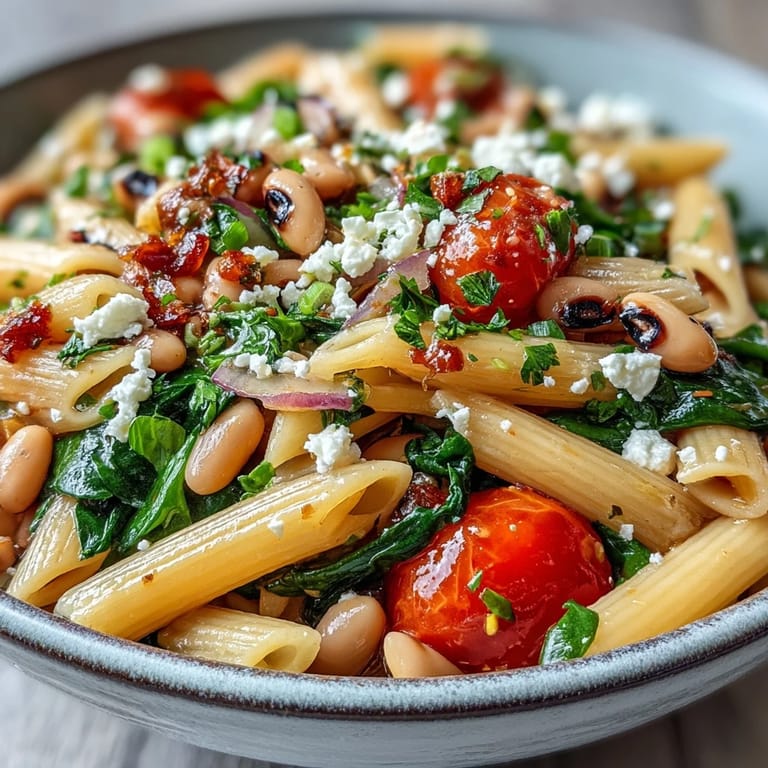
Save This dish became something I reach for when I'm feeling scattered or tired, because making it requires just enough focus to pull me out of my head but not so much that it feels demanding. There's something calming about tossing warm pasta with bright herbs and watching everything come into balance.
Why This Works as a Weeknight Dinner
The entire thing lives on your stovetop for about 30 minutes, which means you can have something nourishing on the table without the stress of multi-step cooking or mysterious ingredients. Everything here is either something you probably have in your pantry already or something you can grab on a regular grocery run without hunting through specialty aisles.
Making It Your Own
This recipe lives somewhere between rigid and flexible. You can absolutely swap the spinach for arugula or add a handful of sun-dried tomatoes if you have them hanging around. Some nights I'll toss in a can of white beans instead of black-eyed peas, and it's still delicious because the whole framework is solid enough to handle a little improvisation.
Small Details That Actually Matter
The difference between a forgettable pasta dish and one worth repeating often comes down to things that feel small in the moment. Slicing the garlic instead of mincing means you get these little golden pieces you can actually taste. Tasting your salt as you go lets you build flavor intentionally instead of hoping it lands right.
- Always taste your pasta water before you drain it so you know how salty it is, which helps you season the rest of the dish.
- If you have a microplane, zesting the lemon directly over the skillet means the oils land exactly where you want them and don't get lost.
- Serve this dish warm but not scalding, because the flavors open up more as it cools slightly to room temperature.
 Save
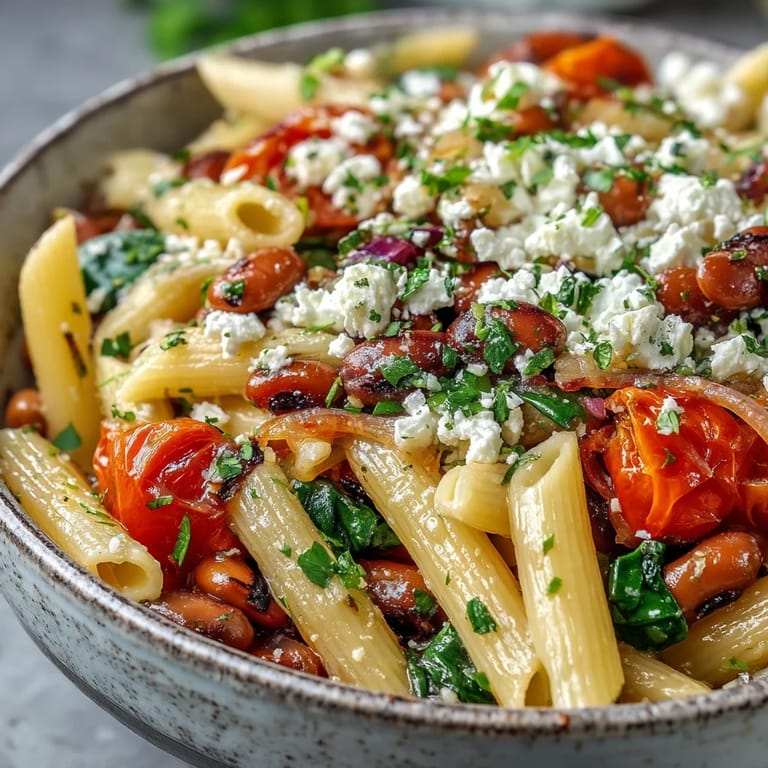
Save This is the kind of dish that reminds you that simple cooking done with attention and fresh ingredients is actually all you need. Make it tonight and see what I mean.
Recipe FAQ
- → Can I use dried black-eyed peas instead of canned?
Yes, soak dried black-eyed peas overnight and cook until tender before using. You'll need about 1 ½ cups cooked peas to replace one can.
- → What pasta shapes work best?
Short pasta varieties like penne, fusilli, or farfalle are ideal as they catch the peas and herbs well. Rotini or gemelli would also work beautifully.
- → How do I store leftovers?
Store in an airtight container in the refrigerator for up to 3 days. Reheat gently with a splash of water or olive oil to refresh the dish.
- → Can I make this vegan?
Absolutely. Simply omit the feta cheese or use a plant-based feta alternative. The dish remains delicious and satisfying without dairy.
- → What can I add for more protein?
Grilled chicken, shrimp, or even chickpeas would complement the flavors nicely. You could also increase the black-eyed peas for extra plant-based protein.