 Save
Save I discovered teriyaki chicken the way most home cooks do—by accident, really. A weeknight when I had chicken thighs on hand, some pantry staples, and exactly thirty minutes before dinner needed to be on the table. What I didn't expect was how the soy sauce would caramelize into something glossy and complex, filling my kitchen with a smell that made my partner drift in from the other room asking what I was making. That moment, when something simple transforms into something worth lingering over, is exactly why this dish has become my go-to.
I made this for four friends on a Tuesday night when we were all too tired to go out but too hungry to order in, and somehow it came together so smoothly that they thought I'd been planning an elaborate dinner all day. The rice was fluffy, the chicken tender, and when I drizzled that glossy sauce over everything, I watched their faces brighten. It wasn't fancy or complicated, but it felt generous. That's the power of a dish that tastes thoughtful but doesn't demand hours of your attention.
Ingredients
- Boneless, skinless chicken thighs: These stay juicy where breasts would dry out, and they absorb the teriyaki sauce like they were made for it—cut them into pieces so they cook fast and coat evenly.
- Low-sodium soy sauce: You're controlling the saltiness yourself here, which matters because the sauce concentrates as it reduces.
- Mirin: This sweet rice wine is the secret—it gives you depth and shine that honey alone never quite achieves.
- Rice vinegar: The small amount adds a subtle brightness that keeps the sauce from tasting one-note.
- Cornstarch: The thickening agent that turns liquid into a glossy coat; don't skip it or you'll have a pan sauce instead of a proper glaze.
- Fresh ginger and garlic: These aren't optional if you want the sauce to sing—fresh is non-negotiable here.
- Jasmine rice: It's tender and slightly fragrant, perfect for absorbing sauce without turning mushy.
- Mixed vegetables: Broccoli, carrots, and bell pepper add color and texture, but use whatever you have—the point is to cook them just until tender so they stay bright and crisp.
Tired of Takeout? 🥡
Get 10 meals you can make faster than delivery arrives. Seriously.
One email. No spam. Unsubscribe anytime.
Instructions
- Rinse and cook the rice:
- Rinse under cold water until the water runs clear—this removes starch and helps the grains separate. Combine with water, bring to a boil, cover tightly, reduce heat, and let it simmer gently for 12 to 15 minutes until you can barely see the liquid peeking from under the rice.
- Prep your vegetables:
- While rice cooks, steam or blanch your broccoli, carrots, and peppers for just 3 to 4 minutes—they should still have a little resistance when you bite them. This keeps them from turning to mush when you store them.
- Whisk the sauce:
- In a small bowl, combine soy sauce, mirin, honey, rice vinegar, cornstarch, water, minced garlic, and grated ginger. Stir until the cornstarch dissolves completely, with no lumpy spots hiding in the corners.
- Sear the chicken:
- Heat oil in your largest skillet over medium-high heat until it shimmers. Season chicken with salt and pepper, then add to the pan and let it sit for a moment before stirring—this helps it develop a light golden crust. Cook for 5 to 6 minutes, stirring occasionally, until cooked through.
- Make the glaze:
- Pour the teriyaki sauce over the chicken and stir constantly for 2 to 3 minutes as it thickens and turns glossy. You'll feel the resistance increase as the cornstarch does its work and the sauce clings to every piece.
- Assemble and store:
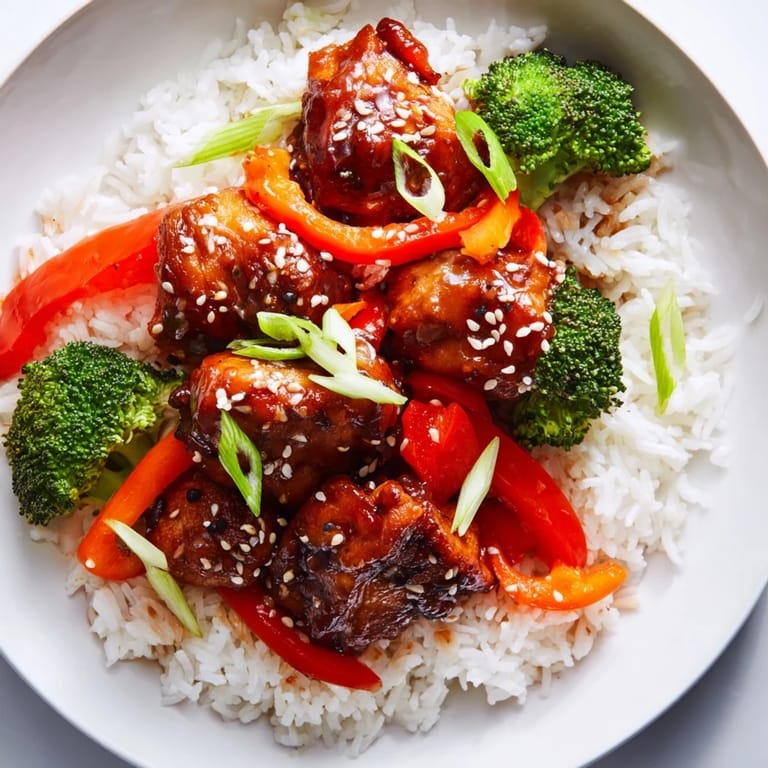
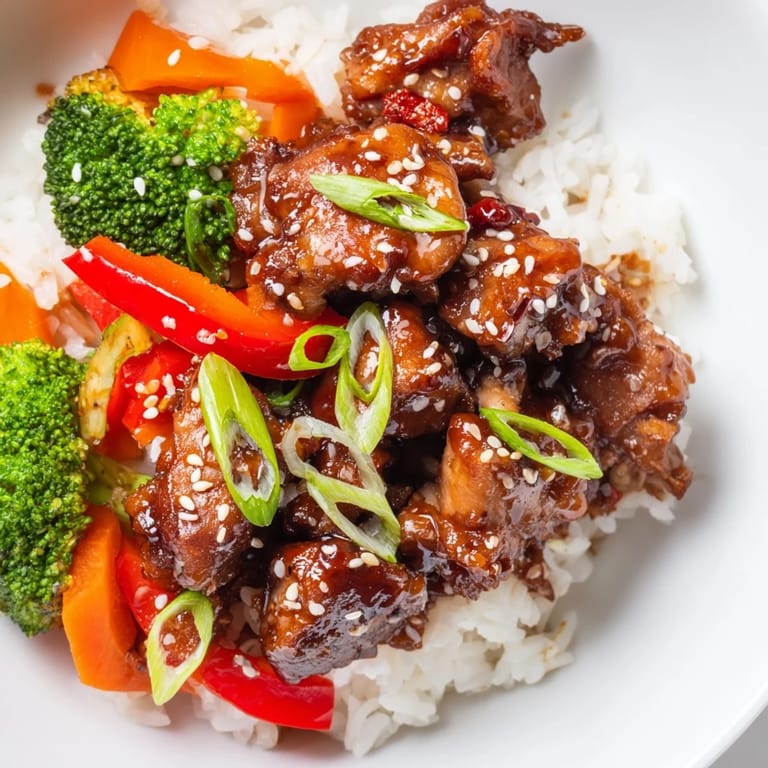
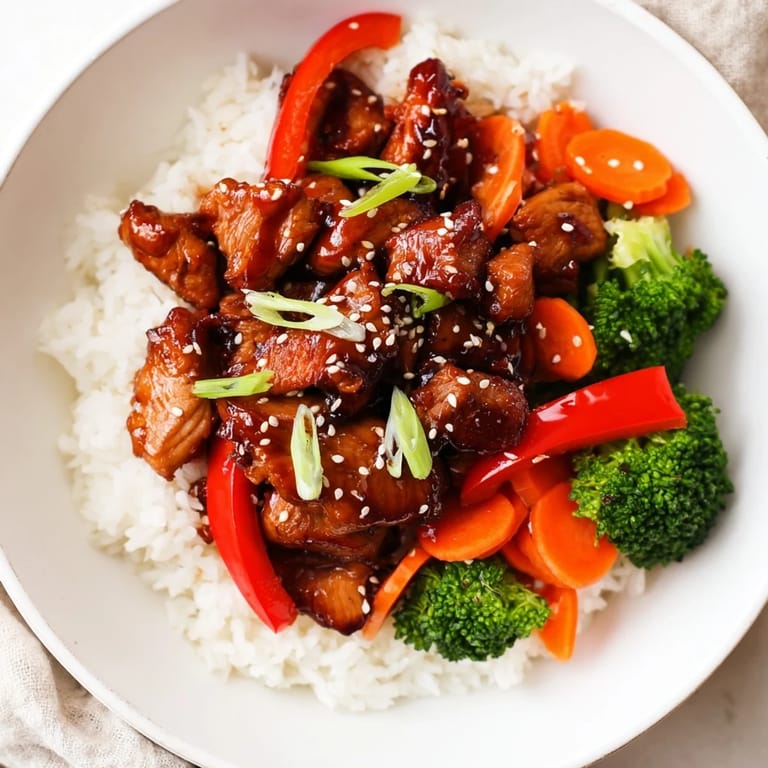
- Divide fluffy rice into containers, top with chicken and vegetables, then scatter sesame seeds and sliced spring onions on top. Let everything cool to room temperature before covering and refrigerating—this prevents condensation from making everything soggy.
 Save
Save I'll never forget the moment I realized this meal had become my default answer to 'what's for dinner tomorrow'—not because it's perfect, but because it's reliable in a way that matters. When you're juggling work and life and the 47 other things demanding your attention, a meal that tastes intentional but doesn't demand hours feels almost like magic.
Why This Works as Meal Prep
The genius of this dish is that nothing falls apart in the fridge. The rice actually firms up in a good way, making containers easy to transport, and the sauce bonds with the chicken so completely that reheating is just a gentle warm-through rather than a rescue mission. I've pulled these containers out four days later and felt genuinely happy to eat them—that's the metric I use now.
Variations That Actually Work
Swap the chicken for firm tofu, pressed and cubed, and you have something vegetarians won't feel sorry about eating. Add edamame or snap peas to the vegetable mix for extra protein and a different texture. If you're avoiding soy, tamari works beautifully—use it in a one-to-one swap. I've even tried this with shrimp on nights when I wanted something lighter, and the sauce was just as happy clinging to those instead.
The Sauce Is Everything
Don't treat the teriyaki sauce as an afterthought—it's the entire reason this meal feels special instead of just another chicken and rice bowl. The balance of salty, sweet, and tangy is what keeps you reaching for another bite, and the way it thickens and coats the chicken is what makes the texture satisfying. I've learned to always make sure the cornstarch is fully dissolved before cooking, and to stir constantly once it hits the pan so the thickening is even and you don't end up with a grainy situation.
- Make the sauce ahead and store it in the fridge—it actually tastes better the next day as flavors meld together.
- Double the sauce if you love it glossy and generous; it keeps for a week and transforms plain leftovers into something craveable.
- Taste as you go—if you prefer sweeter, add a touch more mirin or honey; if you want more savory depth, an extra teaspoon of soy sauce works wonders.
 Save
Save This meal has saved me on countless rushed evenings, and it's taught me that 'good enough to meal prep' and 'actually delicious' aren't mutually exclusive. Make it once, and you'll understand why it keeps coming back.
Recipe FAQ
- → What type of chicken works best for this dish?
Boneless, skinless chicken thighs are ideal for their tenderness and flavor, but chicken breasts can be used for a leaner option.
- → Can I substitute the vegetables used?
Yes, feel free to swap broccoli, carrots, and bell peppers with snap peas, edamame, or other crunchy veggies to suit your taste.
- → How do I thicken the teriyaki sauce?
The sauce thickens by cooking the mixture with cornstarch, which creates a glossy coating perfect for the chicken.
- → What rice variety suits this meal best?
Jasmine or short-grain rice works well, providing a fluffy texture that complements the savory chicken and vegetables.
- → Is this dish suitable for meal prepping?
Absolutely, it refrigerates well for up to four days and reheats easily, making it a convenient option for busy schedules.
- → How can I make this gluten-free?
Replace regular soy sauce with tamari to avoid gluten while maintaining rich umami flavors.