 Save
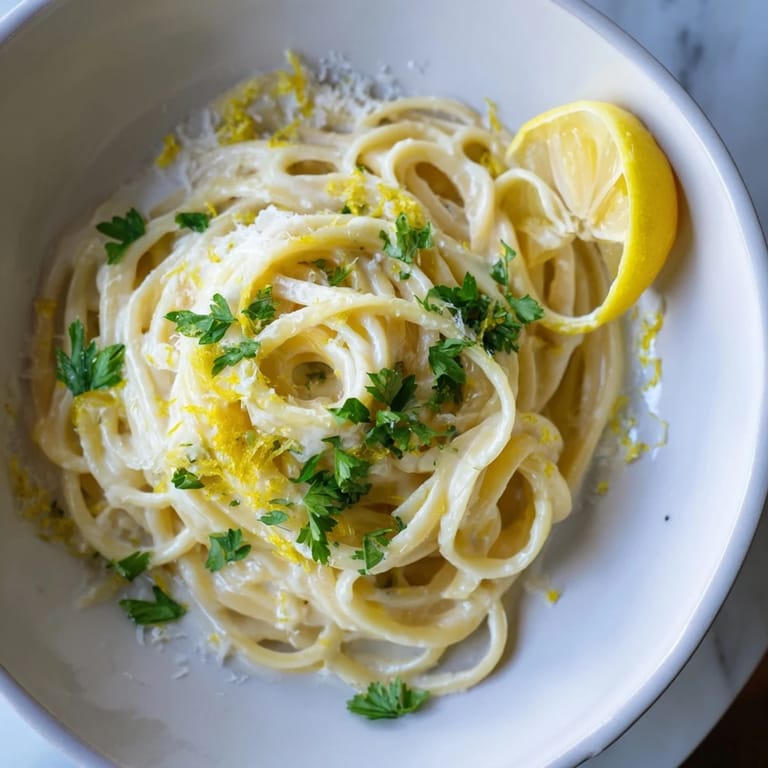
Save One Tuesday evening, I was standing in my kitchen staring at an almost-empty fridge when I spotted a container of Greek yogurt pushed to the back. Instead of tossing it, I grabbed a lemon from the fruit bowl and thought: what if I made something creamy without heavy cream? That simple decision led to this bright, tangy pasta that tastes far more elegant than the five minutes it took to throw together. It's become my go-to when I want something that feels restaurant-quality but doesn't demand hours at the stove.
I made this for my sister last spring when she was visiting and mentioned she was tired of the same old pasta recipes. Watching her face light up when she tasted it—that moment when she immediately asked for the recipe—reminded me that sometimes the best meals aren't complicated, just thoughtful. Now whenever she visits, it's the first thing she asks me to make.
Ingredients
- Dried pasta (340 g): Spaghetti, linguine, or penne all work beautifully here; I prefer linguine because it clings to the sauce perfectly, though I've learned that thicker pasta shapes like penne hold onto the creaminess a bit longer.
- Olive oil (1 tablespoon): Use good quality here since it's one of the few fat sources in the dish—it carries flavor and helps build the sauce's silky texture.
- Garlic cloves (4, finely minced): Mince them small so they distribute evenly throughout the sauce rather than appearing as chewy chunks.
- Greek yogurt (250 g): Full-fat Greek yogurt creates a richer sauce, but low-fat works too if that's what you have; the key is using yogurt at room temperature so it doesn't seize up when it hits the heat.
- Lemon (1 large): Fresh lemon juice and zest are non-negotiable here—they're what make this dish sing, so choose a bright, heavy lemon that feels full of juice.
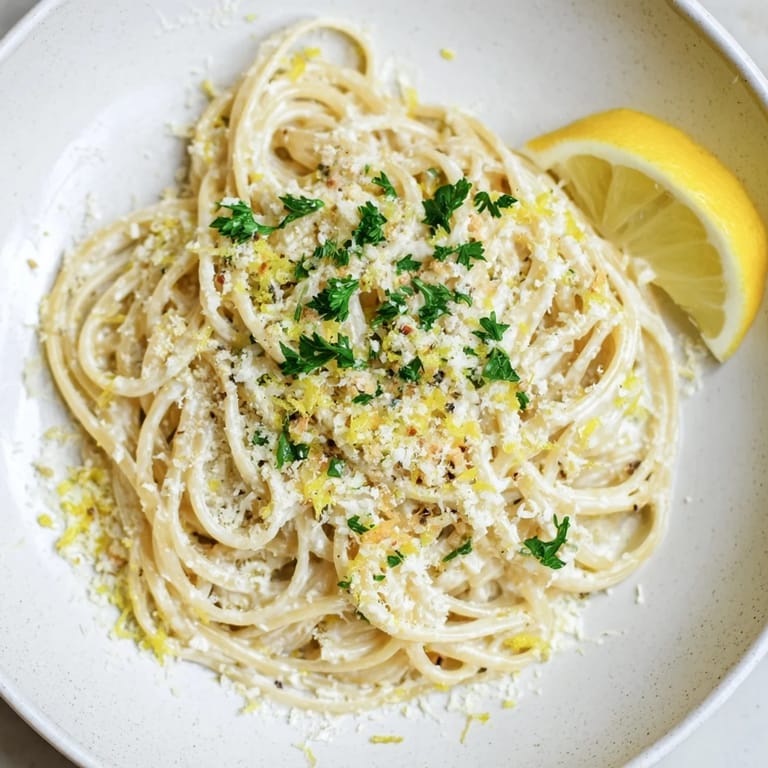
- Parmesan cheese (40 g, grated): Freshly grated makes a real difference in how smoothly it melts into the sauce compared to pre-shredded varieties that contain anti-caking agents.
- Sea salt and black pepper: Taste as you go because pasta water will bring saltiness into play; I typically use a bit more than listed because the lemon brightness needs seasoning to balance it.
- Red pepper flakes (1/4 teaspoon, optional): A whisper of heat brings out the other flavors and cuts through the richness beautifully.
- Fresh parsley and extra lemon for garnish: These aren't just decoration—they add a final spark of brightness that makes the dish feel complete.
Tired of Takeout? 🥡
Get 10 meals you can make faster than delivery arrives. Seriously.
One email. No spam. Unsubscribe anytime.
Instructions
- Get your water boiling and pasta cooking:
- Fill a large pot with water, salt it generously (it should taste like the sea), and bring it to a rolling boil before adding pasta. While the pasta cooks to al dente—tender but with a slight chew—mentally prepare yourself to reserve that starchy pasta water before draining, because it's the secret to a silky finish.
- Coax out the garlic's sweetness:
- Heat olive oil in a large skillet over medium heat, then add your minced garlic. You want it to become fragrant and golden within 1–2 minutes, but stop before it turns brown or bitter—watch it closely because garlic can go from perfect to burnt in seconds.
- Build the sauce gently:
- Lower the heat to medium-low, then stir in your room-temperature Greek yogurt along with lemon zest, lemon juice, Parmesan, salt, pepper, and red pepper flakes if using. Mix everything together slowly and deliberately—this isn't the time to rush, because high heat will cause the yogurt to break and look curdled instead of creamy.
- Bring pasta and sauce together:
- Add your drained pasta to the skillet and toss gently to coat everything evenly. Add reserved pasta water one splash at a time, stirring until the sauce coats each strand and flows like silk; this is where the starchy water works its magic, transforming individual components into one cohesive dish.
- Finish and serve:
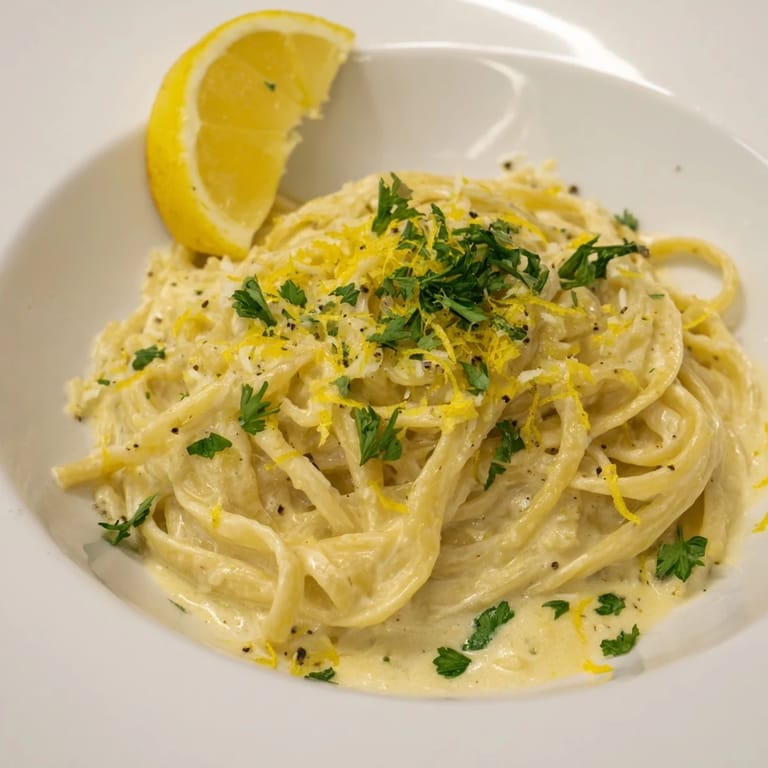
- Take the skillet off the heat immediately to prevent any chance of the sauce breaking. Divide among bowls and top with fresh parsley, extra Parmesan, and lemon slices or zest so everyone gets that bright, herbaceous finish.
 Save
Save There's something unexpectedly comforting about a dish this simple turning into something you crave. It reminds me that good cooking isn't about complexity—it's about treating basic ingredients with respect and understanding what they need to shine.
Making It Your Own
This dish is a canvas for additions without losing its essential character. Grilled chicken or crispy chickpeas add protein and substance, while a handful of fresh spinach or some roasted zucchini bring vegetable volume without overwhelming the delicate lemon-yogurt balance. I've also experimented with whole wheat pasta for nuttiness and swapped in legume-based pasta for extra protein when I'm being intentional about nutrition. The sauce adapts gracefully to these changes—just remember that heartier additions might need slightly more sauce to maintain that creamy coating.
Pasta Water Is Your Secret Ingredient
Most home cooks underestimate pasta water, but it's where the real transformation happens in this recipe. That cloudy, starchy liquid is what turns a Greek yogurt base and some cooked pasta into something that feels luxurious and unified. I learned to think of it as a tool rather than waste—you're essentially creating an emulsion that makes everything cling together. Start with a small amount and add gradually; you can always loosen the sauce more, but you can't thicken it back up without cooking it further, which risks breaking the yogurt.
Timing and Temperature Tricks
Temperature control is everything here, and it's why timing feels so important even though the recipe is technically fast. The window between 'creamy and silky' and 'split and broken' is smaller than you'd think, which is why I bring the Greek yogurt to room temperature before cooking and keep the heat medium-low throughout. If you're making this on a weeknight when your timing feels rushed, prep all your ingredients first—mince the garlic, zest and juice the lemon, measure out the yogurt—so you can move smoothly from step to step without scrambling.
- Bring Greek yogurt to room temperature before starting so temperature shock doesn't cause it to seize.
- Reserve pasta water before draining pasta, and keep it within arm's reach while you're finishing the dish.
- Taste constantly throughout cooking because lemon intensity varies, and you might want more or less juice depending on the particular fruit.
 Save
Save This pasta has stayed in my regular rotation for a reason: it's the kind of dish that works equally well for a solo Tuesday night or when you're cooking for guests who appreciate something genuinely good. It feels special without asking you to be special—just attentive.
Recipe FAQ
- → Can I use different types of pasta for this dish?
Yes, spaghetti, linguine, or penne work well, allowing the sauce to cling nicely and complement the creamy texture.
- → How do I prevent the sauce from curdling?
Keep the heat low when mixing the yogurt sauce to avoid boiling, which helps maintain a smooth and creamy consistency.
- → What can I add for extra protein?
Grilled chicken or chickpeas can be incorporated to boost protein content while keeping the dish satisfying.
- → Is there a substitute for Greek yogurt?
You can swap Greek yogurt with skyr or labneh for a similar creamy tang and texture.
- → How do reserved pasta water improve the sauce?
Adding reserved pasta water helps loosen the sauce, making it silky and ensuring it coats the pasta evenly.
- → What wine pairs well with this pasta?
A crisp Sauvignon Blanc or Pinot Grigio complements the citrus and garlic notes beautifully.