 Save
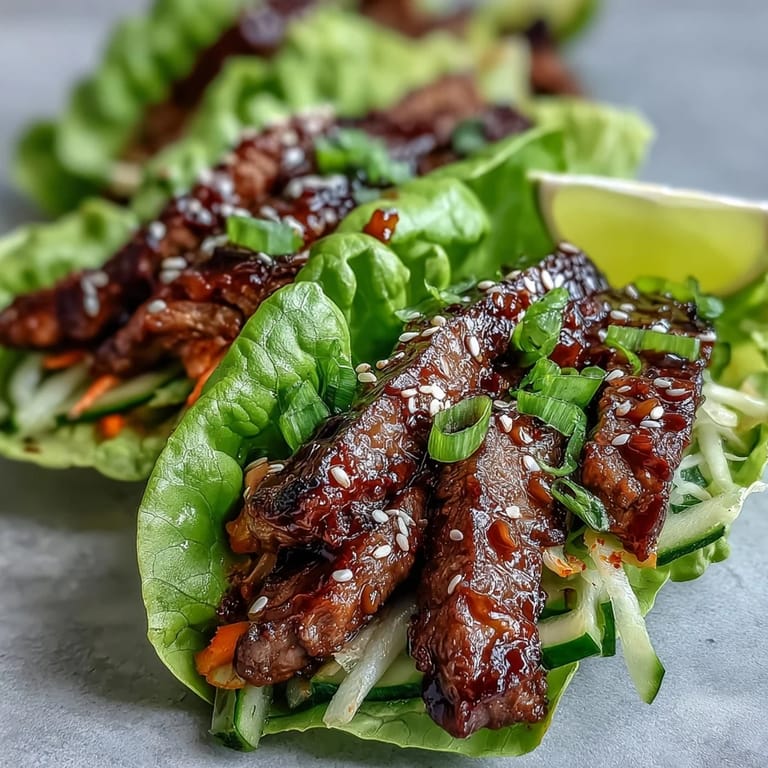
Save The scent of sizzling beef and toasted sesame never fails to transform my kitchen into something close to a late-night Seoul food stall. One Thursday after work, rain still clinging to the window glass, I decided on these Korean BBQ Beef Lettuce Wraps simply because they required little more than a sharp knife and a hot pan. It was just me, a playlist of classic K-pop, and the comforting rhythm of prepping fresh vegetables. As the marinade hit the pan, I found myself leaning in, eager for that garlicky caramel bite. The best part was assembling each wrap—always just slightly messy, but full of anticipation for that first, zingy mouthful.
One memorable night, I made these wraps for a friend who claimed she couldn't handle spicy food—until she tried piling on extra kimchi and demanded the gochujang jar for herself. Laughter echoed as we assembled messy wraps and dribbled sauce over the kitchen counter, proof that sometimes sharing good food makes new rules for taste buds. I learned that there are few better soundtracks than delighted crunches and impromptu praise. Even our mismatched plates couldn’t diminish the moment: hands sticky, faces grinning, full of tangy joy. That evening, Korean BBQ became our household code for a sure-thing dinner party hit.
Ingredients
- Ribeye or Sirloin Steak: Thin slicing is key for tender, quick-cooking bites—I have better luck if I chill the steak slightly before cutting.
- Soy Sauce: Salty and deep, it’s the backbone of umami in every bite—low-sodium works too without sacrificing the punch.
- Brown Sugar: A little goes a long way to caramelize the beef on the grill, giving you charred edges and that classic hint of sweetness.
- Sesame Oil: Stirred in the marinade, it adds a warmth that lingers, so I drizzle a little extra if nobody’s watching.
- Garlic & Ginger: Minced fresh, they wake up all the other flavors—don’t be tempted to skip or swap for powdered.
- Rice Vinegar: A splash brightens the marinade, balancing out the richness—if you’re out, a tiny squeeze of lime works in a pinch.
- Gochujang: Adds fermented, spicy depth—if you fear spice, start with less, but a little gives dimension you’ll crave next time.
- Toasted Sesame Seeds: Their nutty crunch at the end is worth the sprinkle, and toasting them boosts aroma tenfold.
- Spring Onions: Slice thin and scatter without shame, as they bring a subtle heat and fresh lift to every wrap.
- Freshly Ground Black Pepper: Crack plenty over the beef just before cooking—it sharpens all the flavors so nothing gets lost.
- Butter Lettuce or Romaine: Choose big, sturdy leaves to keep the fillings snug—dry them well for the crunchiest wraps.
- Kimchi: Chopped fine, its spicy tang makes each wrap irresistible—if your kimchi is extra fiery, pile less (or none, though that’s rare here).
- Cucumber & Carrot: Julienned thin, they cool your palate and add snap—sometimes I add a little extra for crunch.
- Fresh Cilantro Leaves: Optional, but their herbal hit always makes things taste brighter (especially if your kimchi’s on the strong side).
- Extra Sesame Seeds & Sliced Green Onions: Scatter generously after assembly—they make the wraps look inviting and taste even better.
- Lime Wedges: A cheeky squeeze at the end cuts through everything with perfect zing.
Tired of Takeout? 🥡
Get 10 meals you can make faster than delivery arrives. Seriously.
One email. No spam. Unsubscribe anytime.
Instructions
- Make the Marinade:
- In a roomy bowl, mix soy sauce, brown sugar, sesame oil, garlic, grated ginger, rice vinegar, gochujang, sesame seeds, spring onions, and a few cracks of black pepper. Slide in the beef and use your hands to ensure every slice is coated, then let it sit—twenty minutes is fine, but the longer, the deeper the flavor runs.
- Grill the Beef:
- Heat your grill pan or skillet until it shimmers, then lay the beef out in a single layer (don’t crowd it). Sear for just 1-2 minutes each side; it should sizzle, spit, and pick up caramelized edges before you slide it to a warm plate.
- Prep the Wrap Base:
- Rinse the lettuce leaves thoroughly and pat them dry, then set them out like little green boats ready for their cargo. Stack the julienned cucumber, carrot, and a bowl of chopped kimchi nearby for easy assembly.
- Build the Wraps:
- Place a few slices of that glossy, hot beef in each lettuce leaf, then top with kimchi, crisp veggies, and a scatter of cilantro if you like. Don’t forget the final sprinkle of toasted sesame seeds and extra green onions for crunch and kick.
- Serve and Enjoy:
- Arrange wraps on a platter and tuck a few lime wedges alongside—invite everyone to add a squeeze and fold their own for best results. Eat immediately, and embrace the drips; that’s half the fun.
 Save
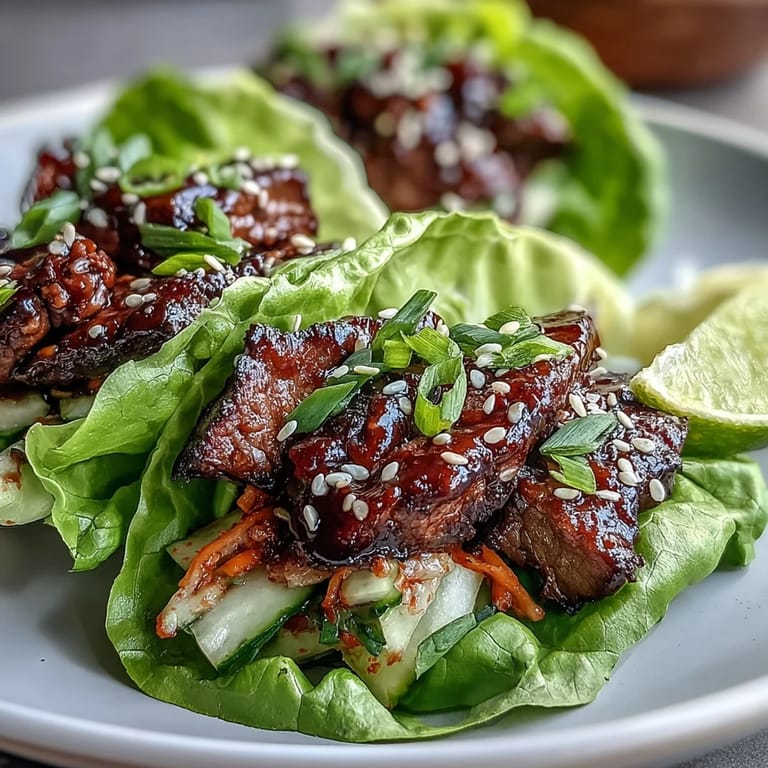
Save The first time these wraps became more than just dinner was the night my family wound up standing around the kitchen island, filling wraps and comparing whose combo was best. Even my usually silent teenager got in on the assembly tips, tossing around opinions on kimchi ratios like a pro chef. We all paused between mouthfuls to toast with ice-cold sparkling water, declaring this the meal we’d vote to repeat. There’s something about communal assembly that turns dinner into an occasion. It’s the dish that made our table a little louder and much happier.
Best Marinade Swaps and Substitutions
If you’re missing an ingredient or two, there’s no need to abandon ship: chicken, pork, or tofu all soak up the same bold marinade. Tamari replaces soy sauce for a gluten-free version, and a dab of miso can stand in for gochujang if you’re out (just thin with water). Even balsamic vinegar works in a pinch instead of rice vinegar—no one’s complained yet. For vegetarians, I’ve tried shiitake mushrooms instead of beef and they’re delicious with all the tangy toppings. The beauty of this recipe is its flexibility without losing character.
Making It a Meal
Pairing these lettuce wraps with something light is my go-to move—think steamed jasmine rice or chilled soju for a real celebratory feel. Sometimes I throw together a quick cucumber salad dressed in the leftover marinade to stretch the dinner out. On summer nights, a crisp lager triples the refreshment. If you’re up for a party, serve with homemade pickles and invite everyone to customize their wraps. The beauty is in the build-your-own adventure.
Serving and Presentation Secrets
I love arranging wraps on a large platter with vivid kimchi and sprigs of cilantro peeking out—it encourages everyone to dive in. A small dish of extra sesame seeds looks stunning, and nobody minds a few stray seeds on the table. If you have fancy toothpicks, now’s the time—they help with keeping ambitious wraps together, especially for kids.
- If you prep your vegetables ahead, assembly is a breeze at the table.
- Try chilling your lettuce for 15 minutes before serving for extra snap.
- Lay down a napkin; things will get juicy.
 Save
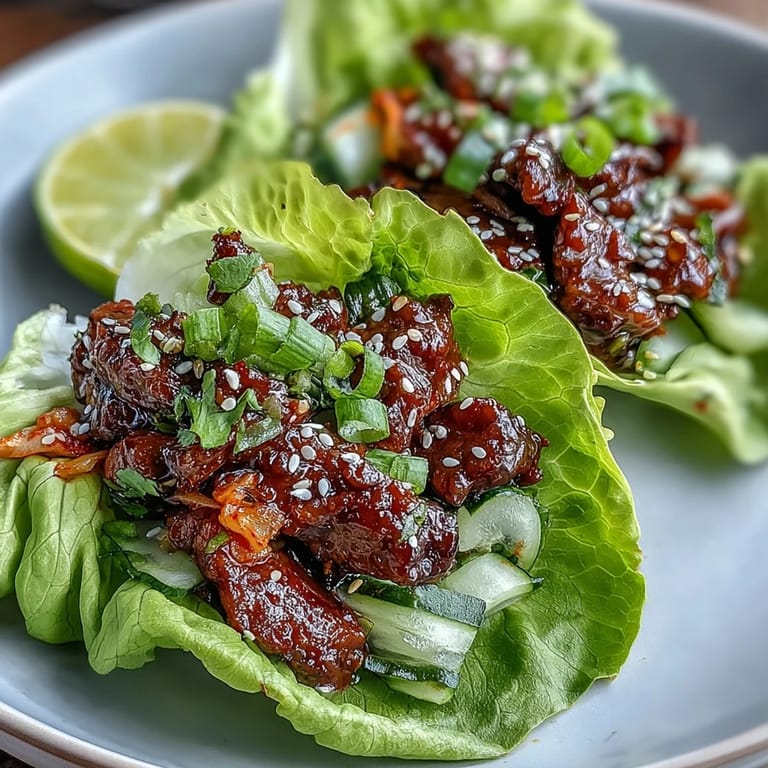
Save May your kitchen fill with the sizzle, laughter, and occasional spicy surprise of Korean BBQ evenings. These wraps invite happy accidents and second helpings every time.
Recipe FAQ
- → How long should the beef marinate?
Marinate at least 20 minutes for noticeable flavor; 1–2 hours deepens sweetness and umami. Avoid much longer for very thin slices to prevent textural breakdown.
- → Can this be made gluten-free?
Yes — swap soy sauce for tamari and confirm the kimchi is gluten-free. Also check gochujang and any packaged condiments for wheat ingredients.
- → Which lettuce works best for wrapping?
Butter lettuce offers pliable, tender cups; romaine provides a crisper, sturdier hold. Choose by preference and the amount of filling.
- → How can I adjust the spice level?
Reduce or omit gochujang and choose mild kimchi, or rinse kimchi briefly to tone down heat. Add a squeeze of lime to balance spiciness.
- → What’s the best way to cook the beef?
Use a hot grill pan or skillet and sear in batches for 1–2 minutes per side to get caramelized edges while keeping slices tender. Avoid crowding the pan.
- → Can this be prepared ahead of time?
Marinate the beef and prep vegetables ahead, but cook the meat and assemble the leaves just before serving to preserve crispness and texture.