 Save
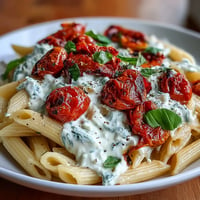
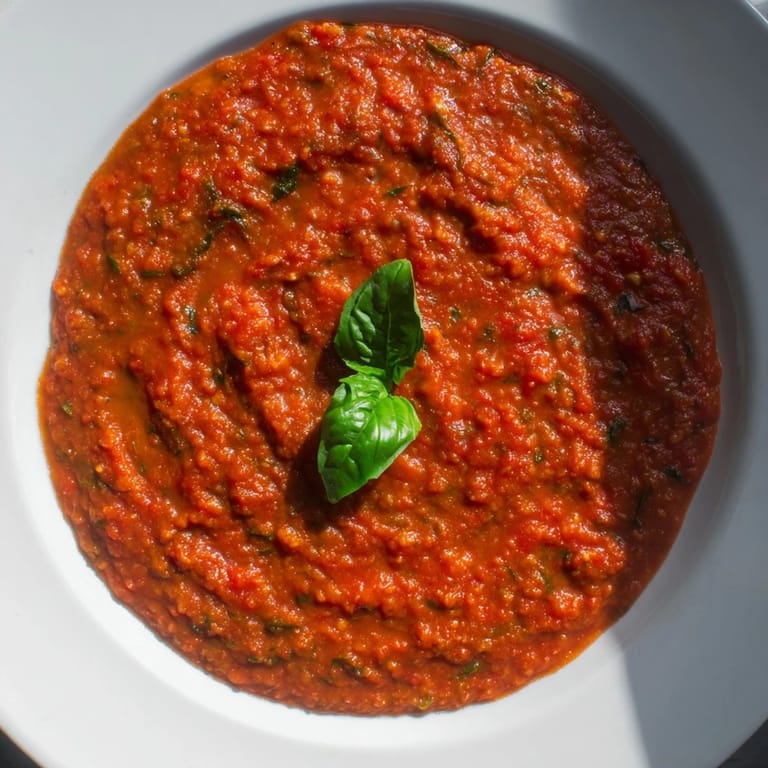
Save My daughter used to push carrots around her plate like they were obstacles, so I started experimenting with ways to make vegetables disappear into things she actually wanted to eat. This sauce was born from that challenge—a silky tomato base where carrots, zucchini, and spinach melt into the background, adding nutrition and depth without announcing themselves. What started as a sneaky parent move turned into something I make constantly, not because of what's hidden, but because it genuinely tastes better than sauce without them.
I'll never forget the night my picky eater asked for seconds—then thirds—and only afterward did I mention what was actually in there. The kitchen got quiet for a second, and then she shrugged and went back to twirling her fork. That's when I knew this recipe had won.
Ingredients
- Carrots (2 medium, peeled and chopped): They sweeten the sauce naturally and disappear completely when blended, making them the secret MVP of this whole thing.
- Zucchini (1 medium, chopped): Adds body and moisture without overpowering the tomato flavor—it's almost invisible when pureed.
- Fresh spinach (2 cups, washed and roughly chopped): Wilts down dramatically and adds iron and depth without any leafy taste hanging around.
- Onion (1 medium, chopped): The flavor foundation that sweetens as it cooks, building the base layer of the sauce.
- Garlic (2 cloves, minced): Toast it just enough in the oil before adding other vegetables so it gets mellow and sweet, not harsh.
- Olive oil (2 tablespoons): Use something you'd actually taste—this is one of the few places oil matters.
- Crushed tomatoes (1 can, 28 oz/800 g): The backbone of everything; San Marzano if you can find them, but honestly any good crushed tomatoes work.
- Tomato paste (2 tablespoons): Concentrate of tomato flavor that deepens the whole sauce when stirred in properly.
- Dried oregano (1 teaspoon): Italian soul in dried form—don't skip it.
- Dried basil (1 teaspoon): Pairs with oregano to give the sauce that classic Italian restaurant feel.
- Salt (1/2 teaspoon, or to taste): Season as you taste, not all at once.
- Black pepper (1/4 teaspoon): A whisper of pepper, nothing aggressive.
- Sugar (1/2 teaspoon, optional): Only if your tomatoes taste sharp; this balances without making anything sweet.
- Parmesan cheese (1/4 cup grated, optional): Stirred in at the end for umami and richness, but the sauce is complete without it.
- Fresh basil (for garnish, optional): A green scatter at the very end tastes and looks like you tried.
Tired of Takeout? 🥡
Get 10 meals you can make faster than delivery arrives. Seriously.
One email. No spam. Unsubscribe anytime.
Instructions
- Get the base going:
- Heat olive oil in a large saucepan over medium heat and add your chopped onion and minced garlic. You'll know they're ready when the kitchen smells sweet and savory at the same time, about 3 minutes—don't let the garlic turn brown or it gets bitter.
- Soften the hidden vegetables:
- Stir in carrots and zucchini and let them cook for 5 to 7 minutes, stirring now and then so nothing sticks. They should start to look a little tender at the edges but still hold their shape.
- Add the spinach:
- Dump in all the spinach at once—it looks like way too much until it wilts, which happens in about 2 minutes of stirring.
- Build the sauce:
- Pour in the crushed tomatoes and tomato paste, stirring everything together so the paste dissolves throughout and you don't have streaks of red.
- Season and simmer:
- Add oregano, basil, salt, pepper, and sugar if using, then bring the whole thing to a low simmer. Cover it, turn the heat down, and let it bubble gently for 20 minutes—the vegetables need time to get completely tender so they blend smoothly.
- Make it silky:
- After simmering, remove from heat and let it cool just enough that you won't splash hot sauce everywhere. Using an immersion blender, pulse and blend until the sauce is smooth and uniform, breaking down all the vegetable pieces—or carefully transfer to a blender in batches if that's what you have.
- Finish and taste:
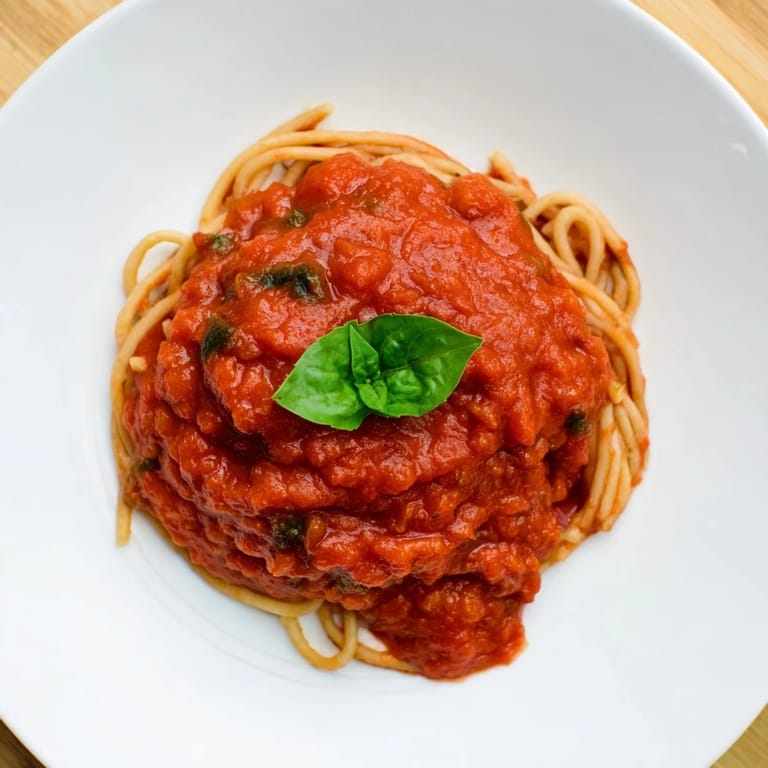
- Return the pot to the heat if it cooled too much, then taste and adjust salt or add a touch more sugar if it needs balancing. Stir in Parmesan if you're using it, then serve hot over pasta with fresh basil scattered on top.
 Save
Save There's something almost meditative about watching chunky vegetable soup transform into silky sauce under the immersion blender. The sound changes, the color deepens, and suddenly you're holding something that looks and tastes like it simmered for hours.
Why This Sauce Gets Better Every Time
The first batch I made was rushed, and I could taste it—the vegetables weren't soft enough, and the sauce felt thin and one-dimensional. The second time, I gave it the full 20 minutes and added just a pinch of sugar because I'd tasted how sharp the tomatoes were. Everything changed. Now I know that patience with simmering and tasting as you season are what separate good sauce from the kind you actually crave.
Make It Your Own
This sauce is a canvas, not a rigid formula. I've added a splash of red wine before simmering, thrown in fresh thyme from the garden, and once experimented with a tiny bit of balsamic vinegar. My neighbor swears by a tablespoon of butter stirred in after blending for extra richness, and honestly, she's not wrong. The vegetables and tomato base stay the same, but the details are yours to play with.
Storage, Freezing, and Making Life Easier
This sauce lives in my freezer in half-pint containers stacked like building blocks. On nights when cooking feels impossible, I thaw one while water boils, and dinner is solved. It keeps in the refrigerator for up to 5 days, and frozen it's good for 3 months. I've grabbed a frozen container at 5:45 pm more times than I can count and had pasta on the table by 6:15.
- Freeze in single-serving portions so you can thaw exactly what you need without waste.
- Label containers with the date so you're not playing mysterious-freezer-container roulette months later.
- Thaw in the refrigerator overnight or gently reheat from frozen over low heat, stirring occasionally.
 Save
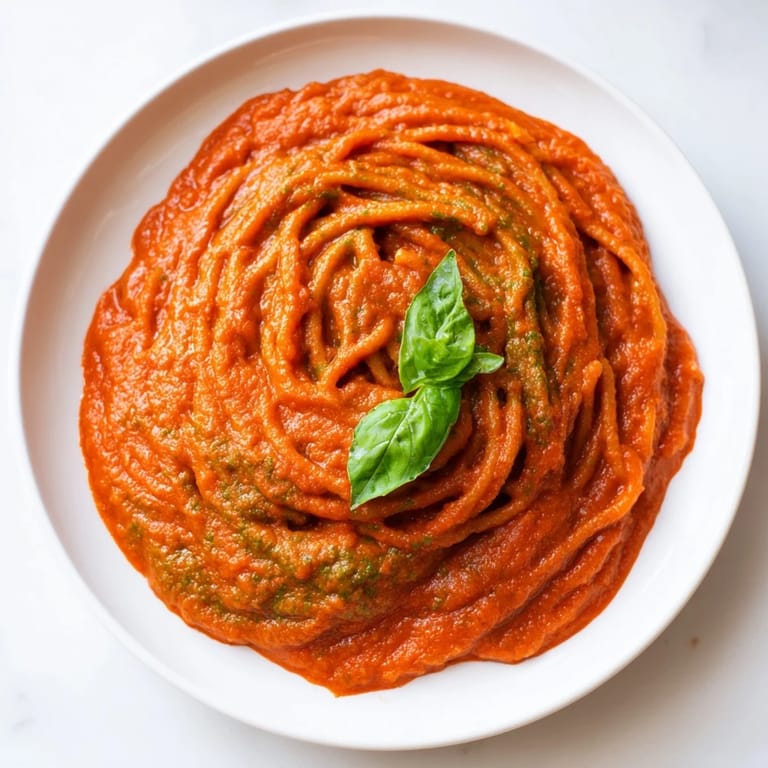
Save This sauce taught me that the best way to get people to eat vegetables isn't by sneaking them around and revealing them later—it's by making something so genuinely delicious that nobody's looking for what's hidden. They're just asking for more.
Recipe FAQ
- → What vegetables are used in this sauce?
Carrots, zucchini, spinach, onions, and garlic provide a rich blend of flavors and nutrients.
- → How is the sauce made smooth?
After cooking, the sauce is pureed using an immersion or countertop blender to achieve a creamy texture.
- → Can this sauce accommodate dietary restrictions?
Yes, it's naturally gluten-free and can be made vegan by omitting Parmesan or using a plant-based alternative.
- → What seasonings enhance this sauce?
Dried oregano, basil, salt, pepper, and optional sugar balance acidity and add aromatic notes.
- → How long does the sauce cook?
The sauce simmers for about 20 minutes to tenderize vegetables and develop flavors.
- → Can leftovers be frozen?
Yes, freeze portions in containers for up to three months to preserve freshness.