 Save
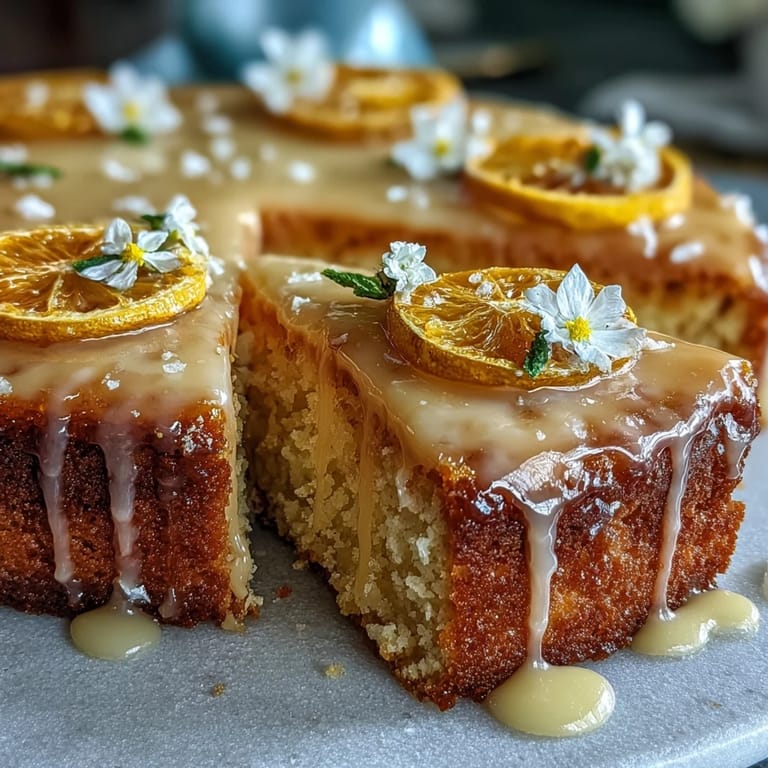
Save There's something about the smell of lemon zest hitting hot butter that makes you feel like you're doing something right in the kitchen. My mum never made fancy cakes, but one Mother's Day, a neighbor brought over this luminous yellow loaf studded with edible flowers, and I watched my mum's face light up in a way that had nothing to do with the cake itself—it was the thoughtfulness baked into it. That afternoon, I decided to learn how to make it, not because it looked difficult, but because I wanted to give her that same feeling back someday.
I baked this for my sister's birthday last year, and she actually teared up—not because she's sentimental, but because she said it tasted like someone had paid attention to her. The cake came out of the oven golden and slightly domed, and the kitchen smelled so clean and bright that even my skeptical brother wandered in asking what was happening. That's when I knew this recipe had staying power.
Ingredients
- 225 g unsalted butter, softened: Softened butter creams properly with sugar, creating that pale, fluffy base that gives the cake its tender crumb—don't skip the softening step or you'll be fighting the mixer.
- 225 g caster sugar: Caster sugar dissolves faster than granulated, which means smoother batter and a more delicate cake texture.
- 4 large eggs: Room temperature eggs mix in more smoothly and won't shock the batter, which keeps everything light and airy.
- 225 g self-raising flour: This includes baking powder already, which means the cake rises gently and evenly without any weird doming or sinking.
- Zest of 2 unwaxed lemons: Use unwaxed lemons if you can find them, since you're grating the skin directly—it makes a real difference in flavor intensity.
- 2 tbsp whole milk: The milk keeps the batter just moist enough to fold without overworking it, which would toughen the cake.
- Pinch of salt: Salt brightens the lemon flavor and balances the sweetness in a way that feels almost imperceptible but deeply important.
- Juice of 2 lemons: Fresh lemon juice for the drizzle—bottled won't give you the same vibrancy or depth.
- 125 g icing sugar: This sweetens the drizzle while staying pourable, creating that distinctive glaze that pools slightly on the cake.
- Assorted edible flowers: Violas, pansies, and nasturtiums add color and a delicate floral note—buy them from specialty shops or grow them yourself if you want to be absolutely sure they're pesticide-free.
Tired of Takeout? 🥡
Get 10 meals you can make faster than delivery arrives. Seriously.
One email. No spam. Unsubscribe anytime.
Instructions
- Get your oven and tin ready:
- Preheat to 180°C (160°C fan) and grease a 900g loaf tin, then line it with parchment paper so the cake releases cleanly. This takes two minutes and saves hours of frustration later.
- Cream butter and sugar until it's pale:
- Beat them together for about three minutes until the mixture looks like soft sand and has lightened in color—this incorporates air that makes the cake rise properly. You'll feel the difference when you touch the beaters; it should be creamy, not grainy.
- Add eggs one at a time:
- Beat each egg in fully before adding the next, otherwise the batter can look separated and sad. If it does split slightly, don't panic—it'll come back together once you fold in the flour.
- Fold in flour, zest, milk, and salt gently:
- Use a spatula and fold with a light hand, only mixing until you can't see flour streaks anymore. Overworking this is the enemy—it makes tough cake, and you want tender and delicate.
- Pour into the tin and bake:
- Level the top with a spatula so it bakes evenly, then slide it into the oven for 40-45 minutes. The cake is done when a skewer inserted in the center comes out clean, though a few moist crumbs are fine.
- Make the drizzle while cake bakes:
- Whisk lemon juice and icing sugar together in a small bowl until smooth—it should be pourable but thick enough to coat the back of a spoon. Taste it; it should make your mouth pucker a little.
- Poke and drizzle while warm:
- As soon as the cake comes out of the oven, poke all over the top with a skewer to create little channels for the drizzle to soak into. Slowly pour the drizzle over, letting it sink in as you go—this is where the magic happens, creating those hidden pockets of concentrated lemon flavor.
- Cool completely before decorating:
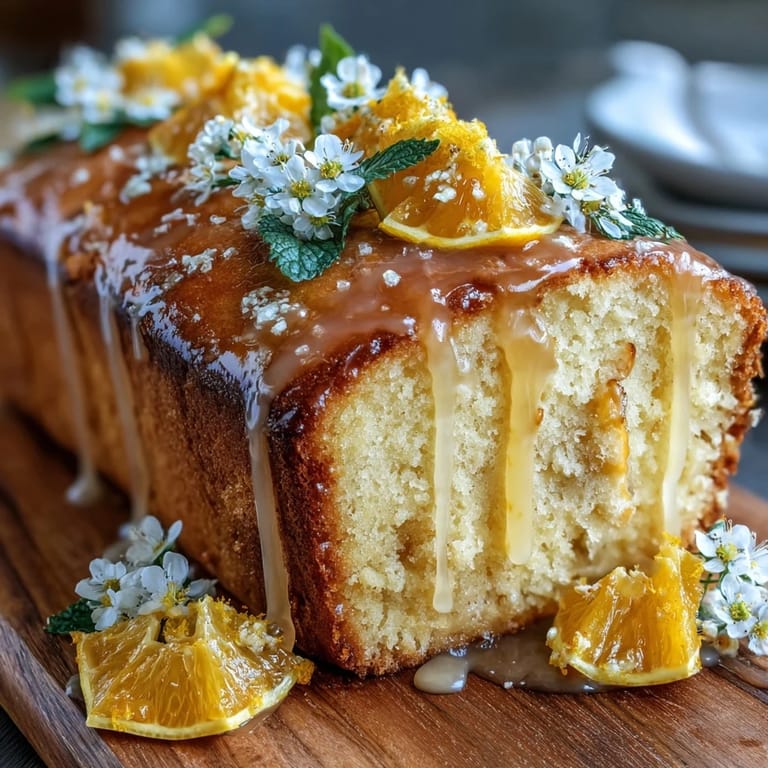
- Let the cake sit in the tin until it's completely cool, then turn it out onto a platter. This prevents the flowers from wilting and lets you admire your work without worrying about the cake crumbling.
 Save
Save There's a quiet moment when you're arranging the edible flowers on top—violas in shades of purple, nasturtiums the color of sunset—and you realize you've made something that's both delicious and genuinely beautiful. That's when it stops being just a cake and becomes a small celebration wrapped in parchment and lemon zest.
The Lemon Drizzle Secret
The drizzle is everything in this cake, and I learned this the hard way by making it too thick once and watching it sit on top like icing instead of soaking in. The perfect consistency is when it's pourable but still substantial enough to coat—think of honey, not water. If your drizzle is too stiff, add a tiny splash of water; if it's too thin, whisk in a bit more icing sugar until it behaves.
Choosing Edible Flowers That Actually Taste Good
Not all edible flowers taste like much, and some taste downright bitter, so choose wisely. Violas and pansies have a subtle, almost minty flavor that doesn't overpower the cake, while nasturtiums add a peppery note that's actually quite pleasant if you like a bit of spice. Rose petals work beautifully too, but buy them from a reputable source because pesticide-laden petals will ruin the whole experience. I've started growing my own violas in a small pot just for decorating cakes, which sounds fussy but honestly takes five minutes of maintenance and gives me complete peace of mind.
Serving and Storage Tips
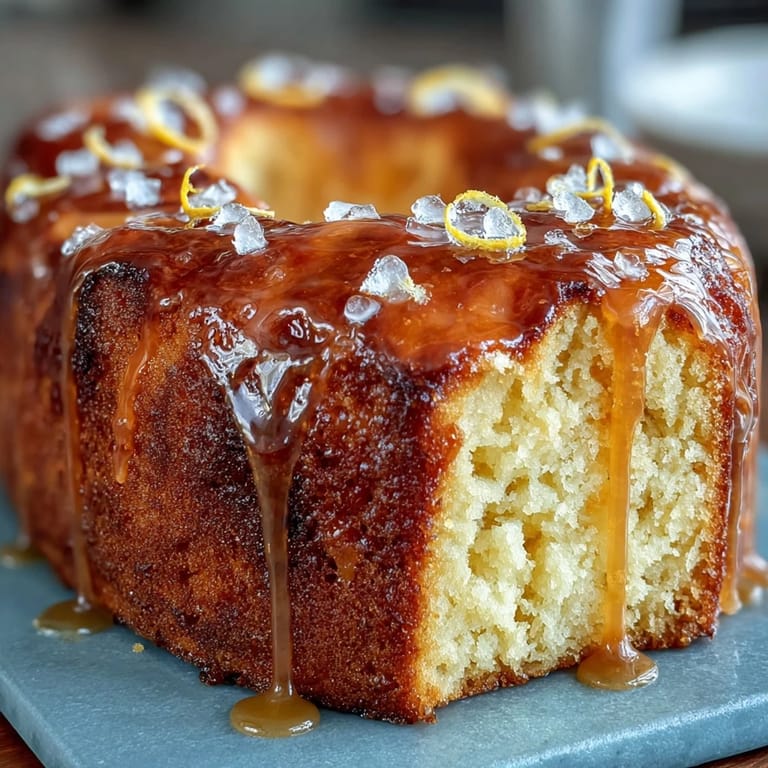
This cake is best eaten the day you make it, when the crumb is still tender and the lemon flavor is brightest, but it'll keep wrapped in foil for two days without any complaint. A dollop of whipped cream or crème fraîche alongside each slice elevates it from nice to unforgettable, and if you're feeling fancy, a tiny lemon zest garnish on top of the cream brings the whole flavor story home.
- Dust the cake lightly with icing sugar just before serving for an extra touch of elegance.
- Add the edible flowers at the very last moment so they stay fresh and don't wilt into the glaze.
- If you're making this ahead, decorate only when you're ready to serve it.
 Save
Save This cake has a way of making ordinary afternoons feel special, whether you're celebrating someone or just treating yourself to an hour in the kitchen. Once you've made it once, you'll find yourself reaching for it again whenever you want to say something without saying it out loud.
Recipe FAQ
- → What makes the lemon drizzle moist?
Using unsalted butter, caster sugar creamed well, and the lemon glaze poured warm helps keep the cake moist and flavorful.
- → Can I use other edible flowers besides violas and pansies?
Yes, flowers like nasturtiums and rose petals are suitable as long as they are pesticide-free and safe to consume.
- → How should I prepare the lemon glaze for best results?
Mix fresh lemon juice with icing sugar until smooth; pour over the warm cake so it soaks in nicely for a tangy finish.
- → Is it possible to make a gluten-free version?
Replace self-raising flour with a gluten-free blend and add baking powder to maintain the cake's rise and texture.
- → What tools are needed to bake this lemon drizzle?
A loaf tin, mixing bowls, electric mixer or spoon, spatula, skewer, fine sieve, and parchment paper are recommended for best results.