 Save
Save One Sunday afternoon, I was standing at my stove wondering how to turn a handful of frozen vegetables and pasta into something that felt like an actual meal, not just pantry scraps thrown together. My friend texted asking what I was making for dinner, and without thinking, I said creamy pot pie pasta—a dish I'd never actually made before. Something about the combination of words just felt right, like comfort food that somehow also felt manageable on a tired day. By the time she arrived, my kitchen smelled like butter and herbs, and what started as improvisation had turned into something everyone wanted seconds of.
I made this for a potluck once, and someone actually asked if I'd catered it—which was hilarious because I'd cooked it in my tiny apartment kitchen while my cat judged me from the windowsill. The best part was watching people go back for thirds, especially the ones who'd said they were just coming for the salad. It turned into the kind of dish that gets requested at future gatherings, which is the highest compliment a home cook can receive.
Ingredients
- Olive oil: Just enough to coat the pan and let those vegetables soften without browning too fast, which would turn them tough.
- Onion, garlic, carrots, celery, and potatoes: These are your flavor foundation—they're diced small so they cook through in time and release their sweetness into the sauce.
- Frozen peas and corn: Don't skip these or think fresh is automatically better; frozen vegetables are picked at peak ripeness and bring a bright sweetness that fresh sometimes lacks.
- Broccoli florets: Optional, but they add an earthy note and make the dish feel more complete if you have them on hand.
- Short pasta like penne or shells: The shape matters because the ridges and hollows catch the creamy sauce, making every bite taste as good as the last.
- Unsalted butter: You'll use it twice—once for the roux and again in the topping—and controlling the salt is important when you're building layers of flavor.
- All-purpose flour: This is your thickening agent, whisked into butter to create a roux that stops the sauce from being watery and thin.
- Vegetable broth: Use a good quality one; it's the backbone of your sauce, so it needs to taste like something actual vegetables went into it.
- Whole milk and heavy cream: The milk adds body, the cream adds richness—together they create that silky, coating sauce that makes this dish craveable.
- Salt, pepper, thyme, sage, and nutmeg: Herbs should smell alive when you open the container; if they smell like dust, it's time for fresh ones because dried seasonings lose their punch fast.
- Panko breadcrumbs: Coarser than regular breadcrumbs, panko browns unevenly and creates texture variation that feels more interesting than a smooth topping.
- Melted butter for topping: This is what makes the crumbs toast golden instead of staying pale and floury—don't skip it or the topping will disappoint.
- Parsley and garlic powder: These flavor the topping so it tastes like intentional seasoning, not just fried breadcrumbs.
Tired of Takeout? 🥡
Get 10 meals you can make faster than delivery arrives. Seriously.
One email. No spam. Unsubscribe anytime.
Instructions
- Preheat your broiler on high:
- Get this going before you start cooking so it's ready when you need it at the end; a cold broiler means uneven browning.
- Sauté your vegetable foundation:
- Heat olive oil in your large pan and add the onion, garlic, carrots, celery, and potatoes, cooking for 5-7 minutes until the edges of the carrots start to look translucent and the onion turns golden. You'll know it's ready when the whole pan smells sweet and savory at the same time.
- Add the tender vegetables:
- Stir in the broccoli, peas, and corn and let them warm through for about 2 minutes. The frozen vegetables will release their moisture, which is fine—that becomes part of your sauce.
- Make your roux:
- Push the vegetables to the side of the pan, add butter to the cleared space, and once it's melted, whisk flour into it for about a minute until it turns pale golden and smells nutty. This coating of flour is what thickens your sauce later, so don't rush this step.
- Build the creamy sauce:
- Slowly pour in vegetable broth while whisking, then add milk and cream, stirring until the flour is completely dissolved and the sauce is smooth. You'll feel it transition from thin to thick as the flour hydrates, which is deeply satisfying to watch happen in real time.
- Cook the pasta in the sauce:
- Add the pasta along with salt, pepper, thyme, sage, and nutmeg, stir everything together, cover the pan, and let it simmer for 12-14 minutes, stirring occasionally. The pasta will absorb liquid as it cooks and the sauce will become creamier and more cohesive.
- Prepare the topping:
- While everything cooks, combine panko breadcrumbs, melted butter, dried parsley, garlic powder, and a tiny pinch of salt in a small bowl. Get your hands in there and mix until every breadcrumb is coated—if it looks dry, add just a tiny splash more melted butter.
- Crown your pasta:
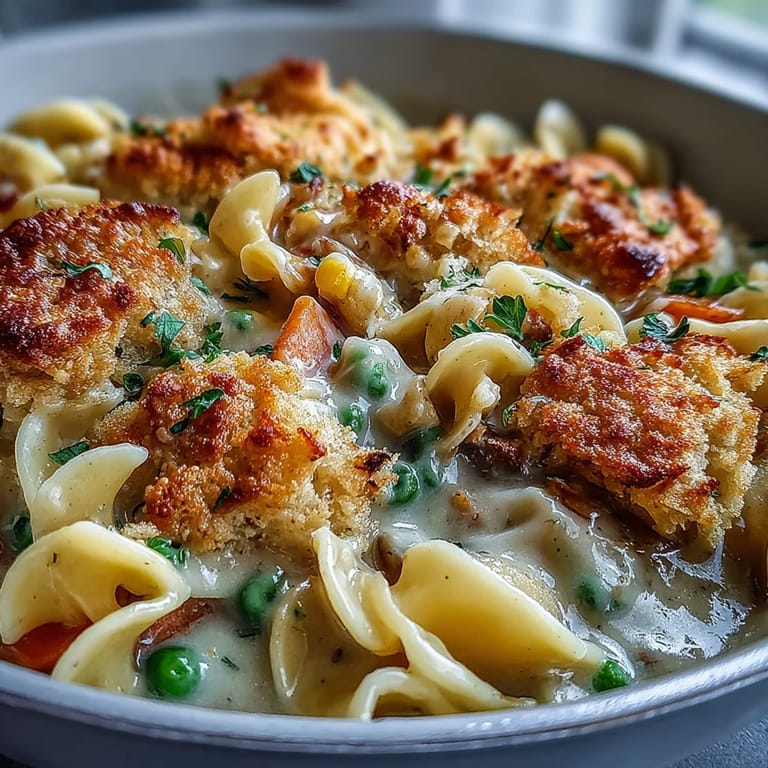
- Once the pasta is tender and the sauce has thickened to coat a spoon, sprinkle the seasoned breadcrumb mixture evenly over the top. Try to distribute it so there aren't any bare spots.
- Toast under the broiler:
- Place the entire pan under the broiler for 2-3 minutes, watching through the oven window because the line between golden and burnt is about thirty seconds. You'll know it's done when the topping looks crispy and smells like toasted bread.
- Serve and celebrate:
- Let it cool for just a minute—it's hot and bubbling underneath—then serve it straight from the pan with a spoon, garnishing with extra parsley if you have fresh.
 Save
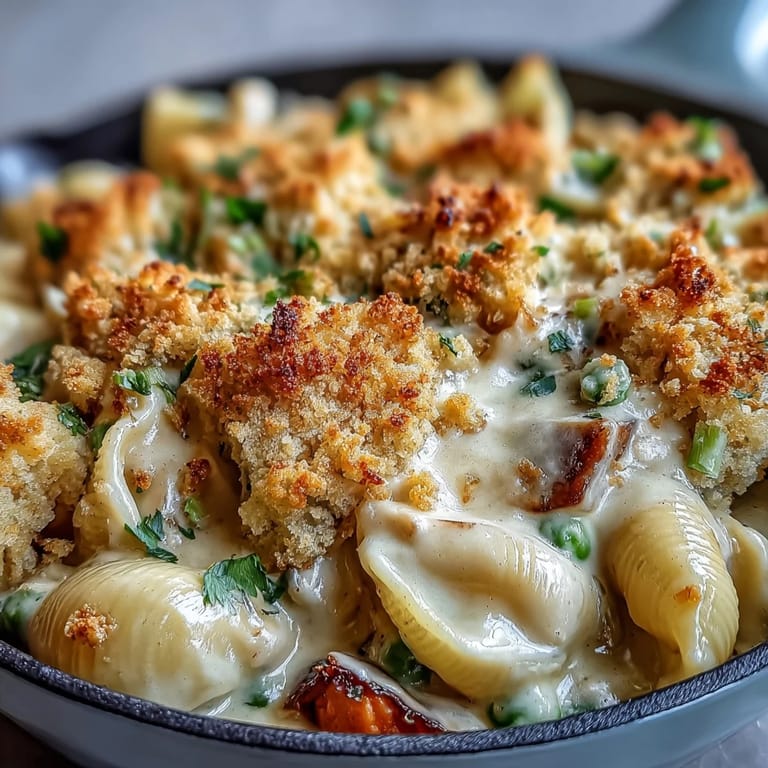
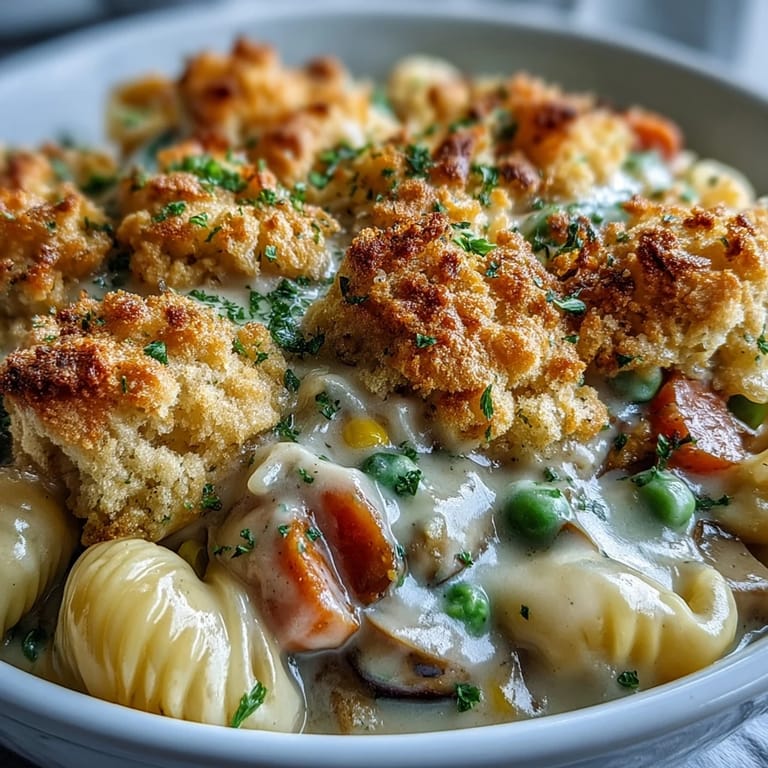
Save There's something almost ceremonial about watching that topping turn golden under the broiler—the moment when something homey and ordinary transforms into something that looks like you spent hours on it. I've made this dish now for weeknight dinners and for guests, and it never fails to make people feel cared for, which honestly is the entire point of cooking.
Variations and Substitutions
The beauty of this dish is that it adapts to whatever you have in your kitchen or whatever sounds good at the moment. I've made it with zucchini and mushrooms when carrots felt boring, and it was just as comforting. Green beans work beautifully too, though they take slightly longer to soften so add them with the potatoes rather than later. For a non-vegetarian version, cooked shredded chicken or diced turkey stirred in at the end makes it feel like an upgrade without changing the technique.
Making It Your Own
This recipe is more of a template than a strict formula, which means you should feel free to experiment. If you love thyme, use a bit more; if sage isn't your thing, replace it with Italian seasoning or dried dill. The vegetable broth can be swapped for chicken broth even though this is vegetarian. Some people add a splash of white wine to the sauce before the broth, which adds a subtle depth that guests notice but can't quite name.
Dietary Adjustments and Storage
For a vegan version, use plant-based butter, coconut cream, and unsweetened oat milk, and the result is genuinely creamy and satisfying—no one will feel like they're missing anything. This dish keeps beautifully in the refrigerator for up to three days, though the topping will soften; if you have leftovers, store them in an oven-safe container and broil again before serving to restore that crunch. You can also freeze the pasta mixture without the topping for up to a month, thaw it in the refrigerator overnight, and top and broil when you're ready to eat.
- Make the topping fresh each time you reheat for the best crispy texture.
- If the sauce seems too thick when you reheat it, add a splash of broth or milk to loosen it back up.
- This pairs beautifully with a simple green salad and a crisp white wine like Sauvignon Blanc.
 Save
Save This is the kind of dish that feels like a hug in a bowl, warming you from the inside out on a night when you need comfort. Make it for yourself when you deserve something good, or make it for people you love and watch their faces light up when they take that first bite.
Recipe FAQ
- → Can I make this dish vegan?
Yes, simply substitute plant-based butter, coconut cream instead of heavy cream, and use unsweetened plant milk for the regular milk. The result remains just as creamy and satisfying.
- → What type of pasta works best?
Short pasta shapes like penne, rotini, or shells work wonderfully because they catch the creamy sauce and vegetables in their curves. Choose whatever you have on hand—this dish is very forgiving.
- → Can I add protein to this dish?
Absolutely. Diced cooked chicken or turkey can be stirred in during the final minutes of cooking. Chickpeas or white beans also make excellent vegetarian protein additions.
- → How do I store leftovers?
Store in an airtight container in the refrigerator for up to 3 days. Reheat gently on the stovetop with a splash of milk to restore the creamy consistency. The biscuit topping will soften but can be refreshed briefly under the broiler.
- → Can I freeze this pasta?
It's best enjoyed fresh, but you can freeze the vegetable and pasta mixture before adding the biscuit topping. Thaw overnight in the refrigerator, reheat on the stove, then add fresh crumbs and broil.
- → What vegetables can I substitute?
Feel free to use zucchini, green beans, mushrooms, or bell peppers. The beauty of this dish is its versatility—use whatever vegetables you have available or what's in season.