 Save
Save My kitchen smelled like basil and summer heat the afternoon my neighbor brought over a armful of zucchini from her garden—so many that I had to get creative fast. That's when this frittata came together, not from a recipe book but from pure necessity and whatever eggs were in my fridge. What started as a way to use up vegetables turned into something I actually crave now, something that tastes light but feels surprisingly filling. It's become my go-to when I want breakfast that doesn't weigh me down.
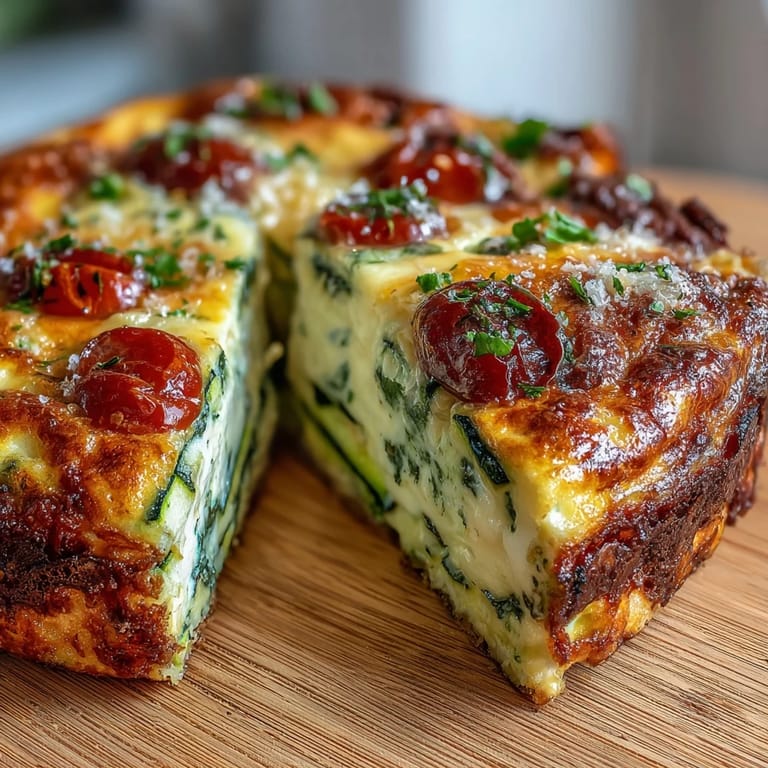
I made this for my sister the morning after she arrived for a surprise visit, and watching her slice into it with that perfect wobble in the center was worth every minute of prep. She asked for the recipe before even tasting it because it looked so impressive, which made me laugh—it's honestly one of the easiest things I've ever put on a plate. Since then it's become our unspoken signal that breakfast is going to be good.
Ingredients
- 1 medium zucchini, thinly sliced: This is your vegetable anchor, and slicing it thin is the secret to getting it tender without turning to mush in the oven.
- 1 cup cherry tomatoes, halved: They burst slightly as they cook and release their juice into the eggs, creating little pockets of flavor throughout.
- 1 small yellow onion, finely chopped: The foundation of everything, building a gentle sweetness that balances the fresh herbs.
- 2 cups baby spinach, optional: If you add it, use the tender baby kind—it wilts down to almost nothing and adds nutrition without changing the texture.
- 6 large eggs: Room temperature eggs whisk more smoothly and create a fluffier frittata, so let them sit out for a few minutes if you remember.
- 2 tablespoons skim milk or unsweetened plant milk: Just enough to loosen the eggs without making them watery; I've learned that less is truly more here.
- 1/4 cup grated Parmesan cheese, optional: A light sprinkle adds umami and helps the top brown beautifully, but it's genuinely optional if you're keeping it dairy-free.
- Salt and freshly ground black pepper, to taste: Don't skip the fresh grinding—it changes everything about how the dish tastes.
- 1/4 cup fresh basil leaves, chopped or 1 teaspoon dried basil: Fresh basil is ideal because you add it right before serving, keeping that bright peppery taste alive.
- 1/2 teaspoon dried oregano: A quiet herb that ties the whole thing together without shouting about it.
- 1 clove garlic, minced: Add it after the zucchini so it doesn't burn, which I learned by burning it once and tasting char for a week.
- 1 tablespoon olive oil or nonstick cooking spray: Just enough to keep things from sticking without adding unnecessary richness.
Tired of Takeout? 🥡
Get 10 meals you can make faster than delivery arrives. Seriously.
One email. No spam. Unsubscribe anytime.
Instructions
- Get your oven ready:
- Preheat to 375°F so it's warm and waiting when you need it. This temperature is the sweet spot—hot enough to puff the frittata but gentle enough not to scramble the eggs too fast.
- Start with the onion:
- Heat your olive oil in a large oven-safe skillet over medium heat and add the chopped onion, letting it soften for about 2 minutes until it turns translucent. You'll know it's ready when it smells sweet and looks slightly golden at the edges.
- Cook the zucchini low and slow:
- Add your sliced zucchini and cook for 4 to 5 minutes, stirring occasionally, until it's just tender but still has a tiny bit of resistance. This is where patience matters—rush it and it stays watery, wait too long and it becomes mushy.
- Add the rest of the vegetables:
- Drop in your minced garlic and cook for exactly 1 minute, then add the cherry tomatoes and spinach if you're using it. Give everything a gentle stir and cook for 2 more minutes until the spinach is wilted and the tomatoes start to blister.
- Whisk the eggs:
- In a separate bowl, whisk together the eggs, milk, Parmesan if you're using it, fresh basil, oregano, salt, and pepper until the mixture is light and slightly frothy. Don't overmix, but do make sure everything is evenly combined.
- Combine everything:
- Pour the egg mixture over the vegetables in the skillet and stir gently a few times to distribute the vegetables throughout. Let it cook undisturbed for 2 to 3 minutes on the stovetop until the edges start to set and pull away from the sides.
- Finish in the oven:
- Transfer the skillet to your preheated oven and bake for 10 to 12 minutes until the frittata is puffed and the center is just set—it should still have the tiniest jiggle when you gently shake the pan. The top should be golden and lightly browned.
- Rest and serve:
- Pull it from the oven and let it cool for just 2 minutes before slicing. It'll continue cooking slightly from residual heat, and this brief rest makes it easier to cut clean slices.
 Save
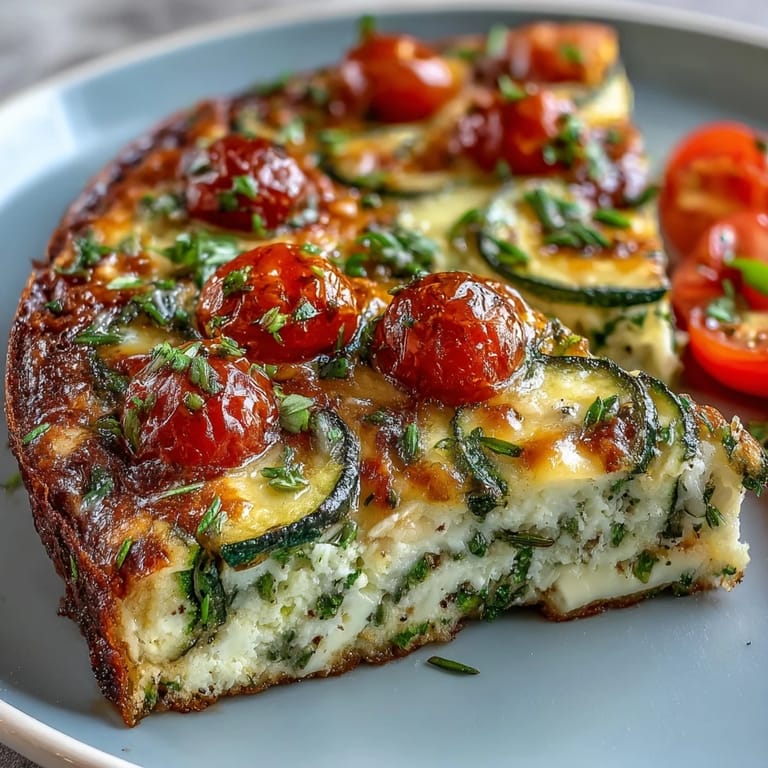
Save There was this one Sunday morning when I made this for myself right after a particularly hard week, and something about watching it puff up in the oven felt like a small victory. I sat at my kitchen table with a warm slice and just felt better, not because it was fancy or complicated, but because I'd made something nourishing for myself without overthinking it. That's what this frittata does—it sneaks up on you and becomes more than just breakfast.
Why This Works for Lighter Eating
The frittata is naturally low in calories because it relies on eggs as the base instead of cream or cheese, but it still feels indulgent and complete. The vegetables add volume and fiber without adding heaviness, so you finish eating and feel satisfied rather than stuffed. I've found that this kind of meal actually helps with keeping things balanced throughout the day because it has protein, healthy fat, and vegetables all in one bite.
Serving and Storage Wisdom
Serve this warm right from the oven or at room temperature—it's genuinely delicious either way, which makes it surprisingly versatile for different times of day. I've brought cold slices to work and felt like I was eating something fancy instead of meal prepped. To store it, cover tightly and refrigerate for up to 3 days, or wrap individual slices in parchment and freeze for up to a month if you're thinking ahead.
Variations That Keep Things Interesting
Once you understand how this frittata works, you can swap vegetables based on what you have or what's in season—bell peppers, mushrooms, broccoli, asparagus, and kale all work beautifully. I've added red pepper flakes for heat when I wanted something spicy, and I've made it entirely dairy-free by using nutritional yeast instead of Parmesan without missing anything. The structure stays the same, so you're really just playing with flavors rather than learning a completely new technique.
- Try adding fresh dill or tarragon instead of basil for a completely different vibe that still feels light and fresh.
- Make it a complete meal by serving alongside a simple green salad with lemon vinaigrette rather than as a standalone.
- Leftover frittata is perfect stuffed into a whole grain wrap with a dollop of Greek yogurt for a next-day lunch that feels intentional.
 Save
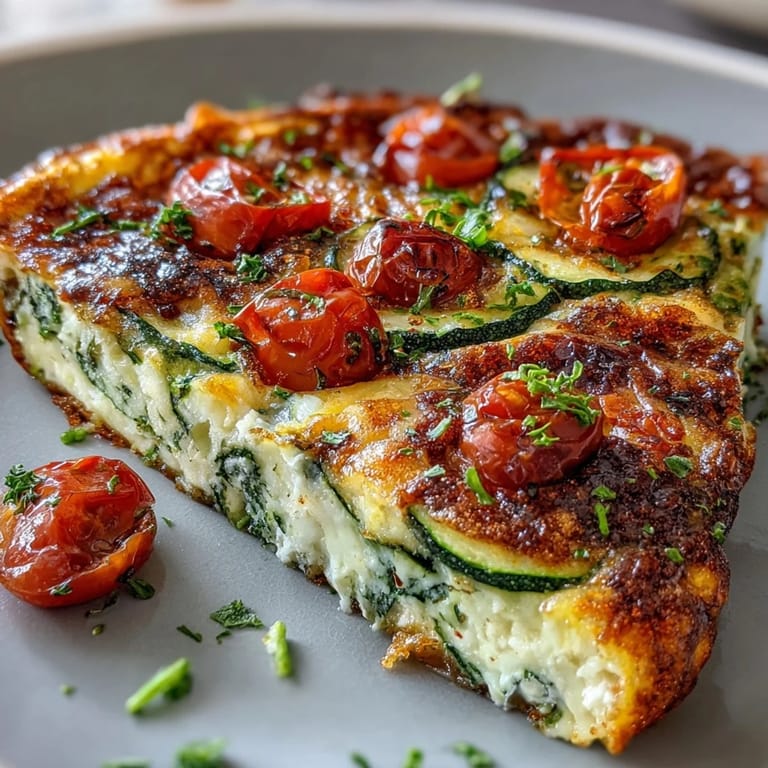
Save This frittata has become my answer to so many mornings—when I want something fast, when I want something healthy, when I want something that tastes like I actually tried. Make it once and it becomes part of your regular rotation.
Recipe FAQ
- → Can I make this frittata ahead of time?
Yes, this frittata keeps well in the refrigerator for up to 3 days. Serve cold for a quick breakfast or gently reheat in the microwave or oven until warmed through.
- → What vegetables can I substitute?
Bell peppers, mushrooms, asparagus, or broccoli work beautifully in place of or alongside the zucchini. The key is to pre-cook watery vegetables to prevent excess moisture.
- → How do I know when the frittata is done?
The frittata is ready when the center is just set and no longer jiggles when you gently shake the pan. The top should be lightly puffed and golden, not browned or burnt.
- → Can I make this dairy-free?
Absolutely. Simply omit the Parmesan cheese or replace it with nutritional yeast for a savory, cheesy flavor without dairy. Use unsweetened almond or oat milk instead of skim milk.
- → What size skillet should I use?
A 10-inch oven-safe skillet works perfectly for this quantity. Using a smaller pan will result in a thicker frittata that may need additional baking time to set completely.
- → Can I freeze leftovers?
Yes, freeze individual slices wrapped tightly in plastic wrap and foil for up to 2 months. Thaw overnight in the refrigerator and reheat gently before serving.