 Save
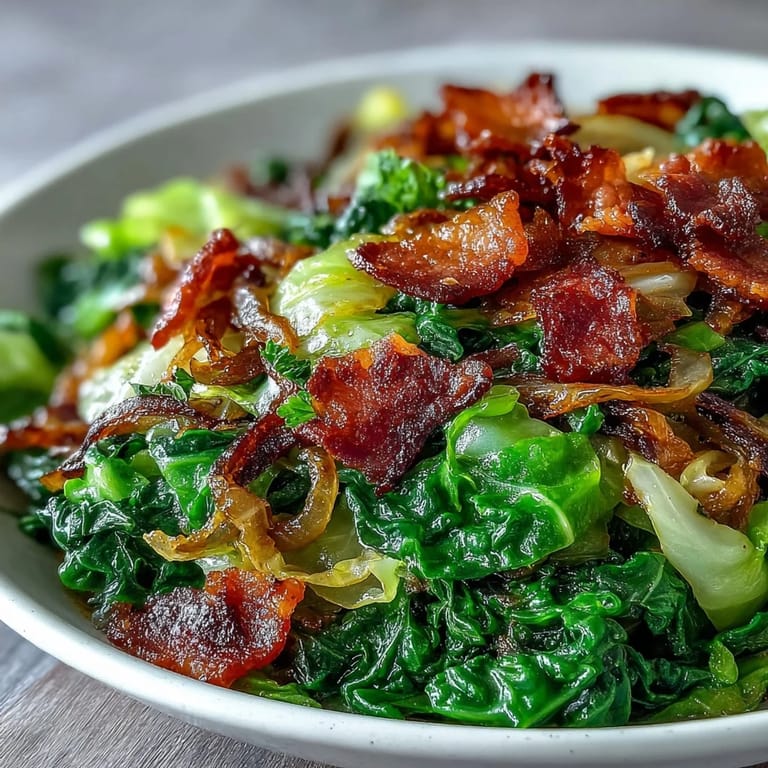
Save Cooking fried cabbage with bacon and onions always takes me straight to the echo of a pan sizzling while the kitchen windows fog up, the smell of smoky bacon weaving through the air. It wasn’t curiosity but a near-empty fridge that nudged me into trying this dish the first time, and it quickly became more than a way to use up odds and ends. There's something about watching the pale green cabbage ribbons go limp and glistening, gently caramelizing beside sweet onions that makes for the coziest kind of meal prep. Sometimes, I find myself humming while turning the cabbage, marking time until everything softens and browns just right. The whole experience is a reminder that good food doesn’t need much: just a skillet, simple ingredients, and a little patience.
One particularly chilly March evening, I whipped up a batch for a friend who swears she doesn’t like cabbage. That night, she went back for seconds while we laughed about old kitchen fails and did our best to ignore the laundry pile growing in the corner. She still pretends to hate cabbage anywhere else but claims “the bacon makes it a different vegetable altogether” when I serve it. The little confessions and easy conversation made the humble skillet of fried cabbage feel like more than just a necessity meal. Now, whenever I reach for cabbage and bacon in the same shop, I think of her mock-serious taste test and laughter over wine-stained mugs.
Ingredients
- Bacon: Using thick-cut bacon makes all the difference for crisp texture and renders plenty of flavorful fat, but regular slices work if that’s what you have.
- Green cabbage: I always look for a head that feels hefty and tightly packed; chopping it into bite-sized pieces helps it cook evenly and soak up the flavors.
- Yellow onion: Slicing the onion thinly lets it caramelize and meld into the cabbage, giving subtle sweetness that balances the savory notes.
- Garlic: Two cloves, finely minced, perfume the whole skillet—just don’t let them burn or the dish can tip bitter.
- Salt and black pepper: Add these carefully; bacon can already be salty, so season gradually and taste as you go.
- Smoked paprika: When I want extra warmth, a sprinkle of smoked paprika boosts the depth without overpowering the cabbage.
- Red pepper flakes: Just a pinch for gentle heat—optional but wonderful for those who like a kick.
- Unsalted butter: A tablespoon stirred in at the end makes the cabbage glossy and extra rich, but it’s totally optional if you prefer it lighter.
Tired of Takeout? 🥡
Get 10 meals you can make faster than delivery arrives. Seriously.
One email. No spam. Unsubscribe anytime.
Instructions
- Crisp the bacon:
- Lay the bacon in your skillet and let it sizzle over medium heat until browned and crisp, turning once or twice as needed.
- Start the onions:
- Scoop out the bacon to drain and scatter onion slices into the pan, stirring them through the glistening fat until they’re translucent and sweet.
- Sauté the garlic:
- Add the garlic, letting the aroma bloom—just stir gently for a minute so the garlic softens but doesn’t brown.
- Add the cabbage:
- Tumble in the chopped cabbage; listen for a soft hiss and stir to coat every piece with those tasty juices, letting it cook down until the color deepens.
- Season and stir:
- Sprinkle in the salt, pepper, and smoked paprika, and if you like a bit of punch, add a pinch of red pepper flakes, then give everything a good stir.
- Combine and finish:
- Crumble the crispy bacon and fold it back into the skillet; add butter now for a silkier finish if desired.
- Cook until perfect:
- Continue stirring until the cabbage is fully tender and starting to brown at the edges, then taste and adjust seasonings as needed.
- Serve up:
- Spoon the mixture hot into bowls or alongside your main course—don’t forget the crusty bread if you want to make it a meal.
 Save
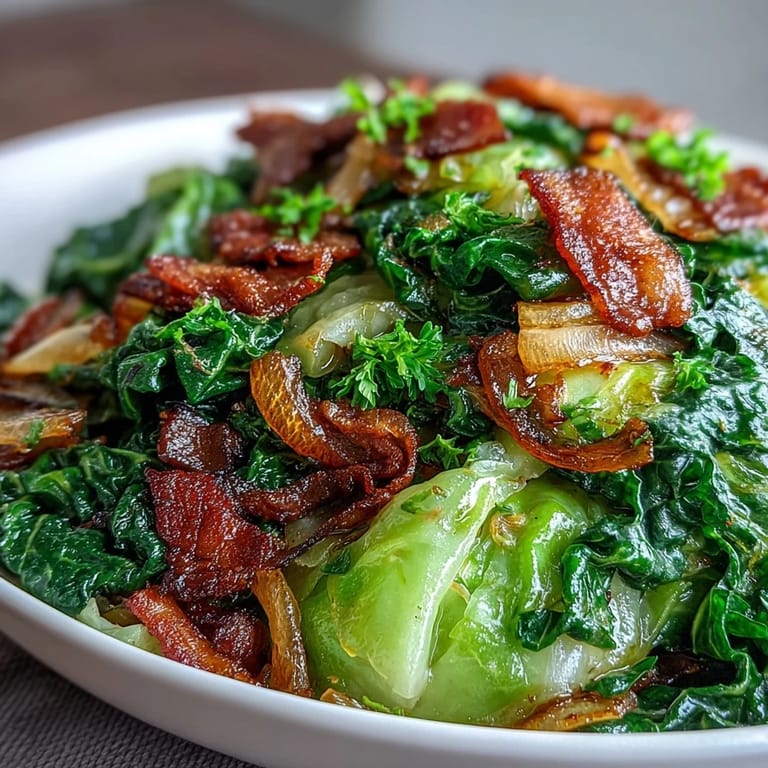
Save The day my dad—who is suspicious of all green vegetables—went in for a whole plate and called it “dangerously good” will always stick with me. That version featured extra black pepper and an impromptu glass of apple cider on the side, making our little kitchen feel like the world’s best diner for an evening.
Little Tweaks That Make It Yours
If you’re feeling experimental, swapping in red cabbage gives the dish a brilliantly vivid hue (plus a hint more sweetness). Occasionally, I toss in a splash of apple cider vinegar or chopped fresh dill at the end for brightness—my kind of finishing flourish. Don’t hesitate to garnish with a handful of crispy breadcrumbs or even a soft-poached egg if you’re serving it for brunch.
How to Store and Reheat
Leftovers last in an airtight container in the fridge for about three days, and I think the flavors deepen after a night’s rest. Reheat gently in a skillet, adding a tiny splash of water to loosen things up—avoid using the microwave if you want to keep the bacon crisp.
What to Serve With Fried Cabbage
This cabbage sits happily next to roasted chicken or pork chops, but it can also star on its own with mashed potatoes or buttered noodles. We sometimes pile spoonfuls on toasted rye for a makeshift open-faced sandwich after a long day. Don’t rule it out as a hearty breakfast side, especially if you slip in an extra fried egg on top.
- Finish with a dusting of fresh parsley for color.
- A squeeze of lemon right at the table brightens every bite.
- Stir in cooked potatoes for even more heft and comfort.
 Save
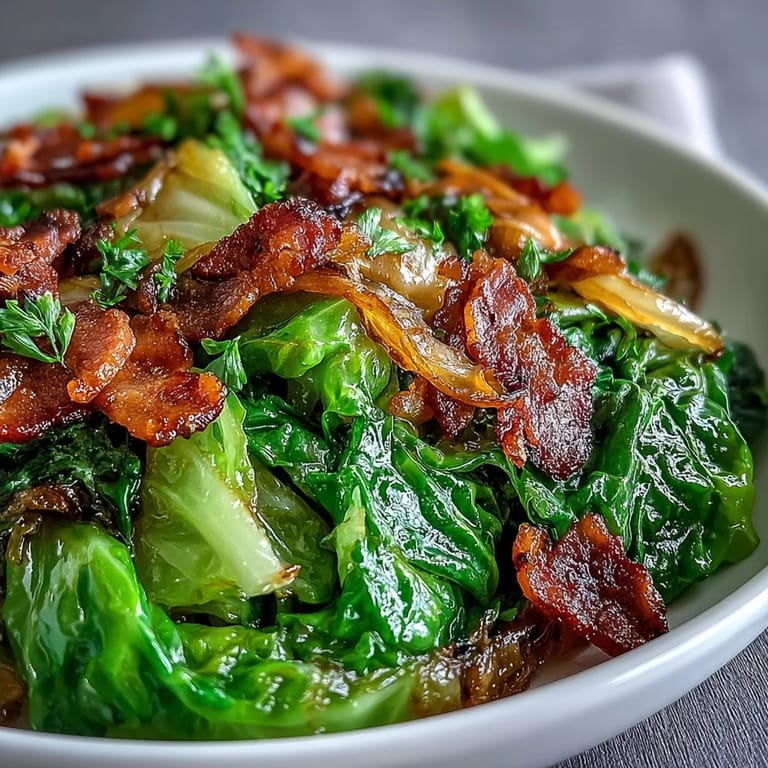
Save Somehow, this simple skillet never fails to gather everyone at the table, even on the busiest days. I hope it brings the same warmth—and irresistible aroma—to your kitchen.
Recipe FAQ
- → Can I prepare this dish ahead of time?
Yes, you can make it in advance and gently reheat in a skillet. The flavors deepen as it sits.
- → What type of bacon works best?
Thick-cut or regular bacon, both work well. Smoked bacon adds extra flavor to the dish.
- → Is this dish suitable for vegetarians?
For a vegetarian option, replace bacon with olive oil and a dash of smoked salt for depth.
- → Which cabbage varieties can be used?
Green, white, or savoy cabbage all work well; each brings slightly different texture and flavor.
- → How should leftovers be stored?
Store in an airtight container in the refrigerator for up to 3 days. Reheat before serving.
- → Can I make it spicier?
Add red pepper flakes or a dash of hot sauce for a subtle kick of heat.