 Save
Save Last summer, I was standing in my kitchen on a sweltering afternoon when my neighbor knocked with a bag of fresh black-eyed peas from her garden. I had no idea what to do with them, so I started experimenting, and somehow landed on this creamy hummus that tasted like a love letter between Southern comfort and Middle Eastern warmth. The first spoonful changed everything, and now I make it constantly, often without measuring anything at all.
I brought this to a potluck once and watched it disappear before the main course was even served. A friend asked for the recipe, then called me three days later saying she'd made it four times already. Moments like that remind me why I love cooking things that bridge different food traditions and somehow make everyone feel at home.
Ingredients
- Black-eyed peas (2 cups cooked): These earthy legumes are the soul of this hummus, and they cook faster than chickpeas, which is why I reach for them constantly.
- Tahini (1/3 cup): Don't skip this or use peanut butter as a substitute, because tahini brings the silky texture and nutty depth that makes the whole thing sing.
- Extra virgin olive oil (2 tbsp plus more for drizzling): Use the good stuff here, because you taste it directly, and it makes the difference between ordinary and something you crave.
- Fresh lemon juice (2 tbsp): Squeeze it fresh if you can, because bottled juice tastes tired and misses the brightness this dip needs.
- Garlic (1 clove minced): One clove is modest on purpose, so it flavors without overpowering everything else.
- Ground cumin (1/2 tsp): This spice ties the whole thing to its Middle Eastern roots and adds warmth without being obvious.
- Salt (1/2 tsp): Start here, but taste as you go, because some palates want more and that's perfectly fine.
- Water (2 to 4 tbsp): Add it slowly and deliberately, because the difference between thick and silky is just a tablespoon or two.
- Smoked paprika or sumac (1/2 tsp for garnish): Either one turns the top into something beautiful, but sumac brings a gentle tartness that's special if you can find it.
- Fresh parsley (2 tbsp chopped): This adds color and a green whisper that makes the whole thing feel fresh and alive.
Tired of Takeout? 🥡
Get 10 meals you can make faster than delivery arrives. Seriously.
One email. No spam. Unsubscribe anytime.
Instructions
- Gather everything and get your processor ready:
- Drain and rinse your peas while the processor sits out on the counter. Having everything measured and ready means the actual blending takes just a few minutes, and you won't be standing there frustrated hunting for salt.
- Combine the base:
- Put the peas, tahini, olive oil, lemon juice, garlic, cumin, and salt into the processor and let it run. You'll hear it go from chunky to creamy, and that sound tells you everything is working.
- Blend until silky smooth:
- Scrape down the sides with a spatula a couple of times. Don't skip this step, because those stubborn bits hiding at the bottom deserve to be incorporated into the creaminess.
- Add water with intention:
- Pour in one tablespoon of water at a time, blending between additions, until the texture looks like soft-serve ice cream. Too thick and it's paste, too thin and it loses all dignity.
- Taste and trust yourself:
- Dip a spoon in and really taste it. Decide if you want more salt, more lemon, more garlic, whatever it needs to feel right on your tongue.
- Transfer and dress it up:
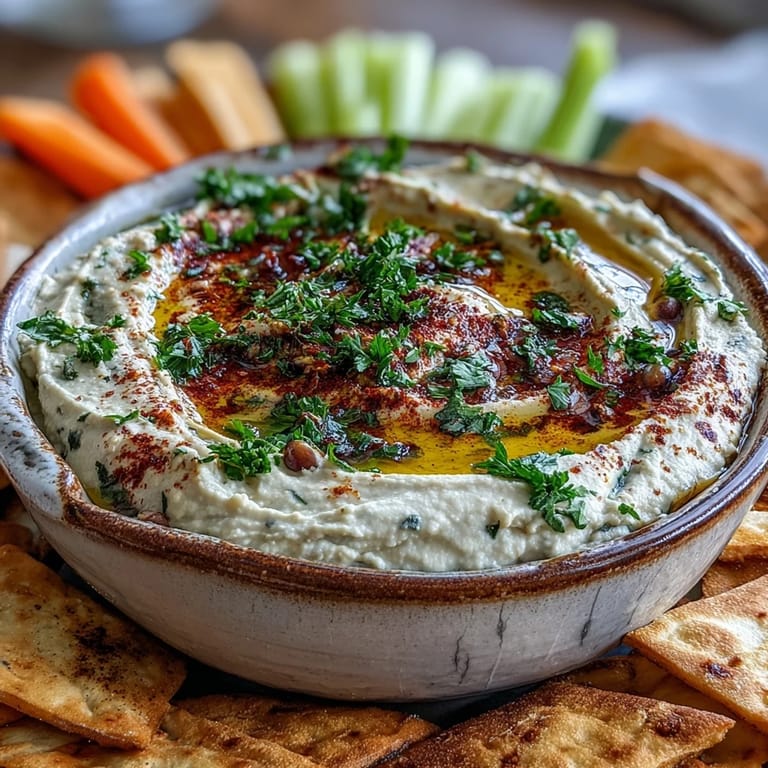
- Scoop the hummus into a shallow bowl, drizzle a little olive oil in a swirl across the top, and sprinkle on the paprika and parsley. This takes thirty seconds but makes it look like something from a restaurant.
 Save
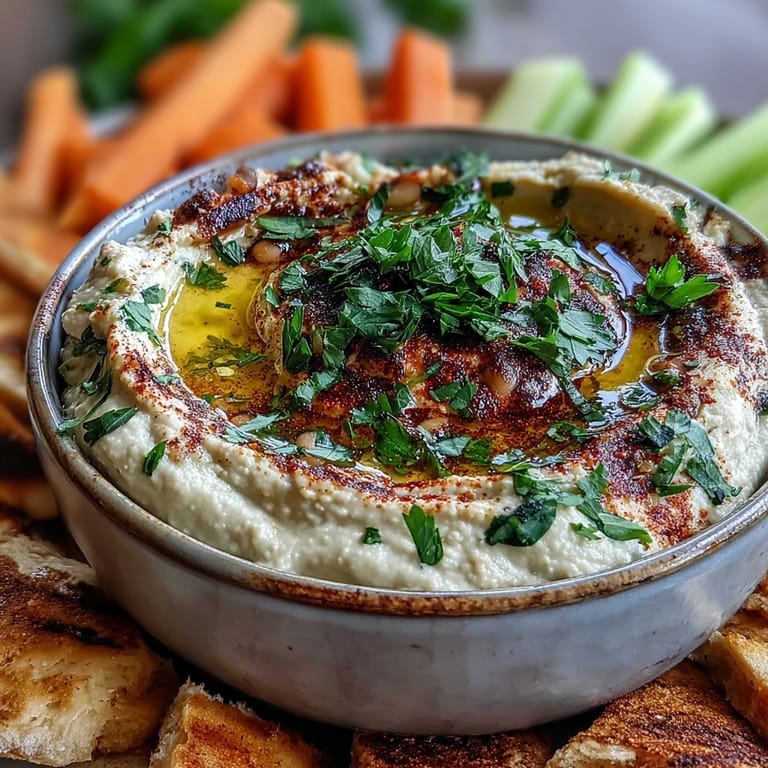
Save There's something about watching someone scoop this up with a carrot stick or piece of pita that fills me with quiet pride. It's humble food that somehow feels generous and thoughtful when you set it out, and that's worth celebrating.
Flavor Riffs and Twists
Once you nail the basic version, you can play around endlessly. I've made it with lime juice instead of lemon on nights when that felt right, and added smoked paprika directly into the blend for a deeper, smokier version that tastes like a campfire in a dip.
Storage and Keeping
This hummus keeps beautifully in the fridge for about four days, tucked into an airtight container with a thin layer of olive oil on top to protect it. I've pulled it out for quick lunches, unexpected guests, and those moments when you need something substantial but don't want to cook.
Serving Suggestions and Occasions
Serve this with whatever sounds good on any given day, because it's flexible enough to work with almost anything. I've had it with raw vegetables, pita bread, gluten-free crackers, and even spooned onto grilled chicken, and it made every single thing taste better.
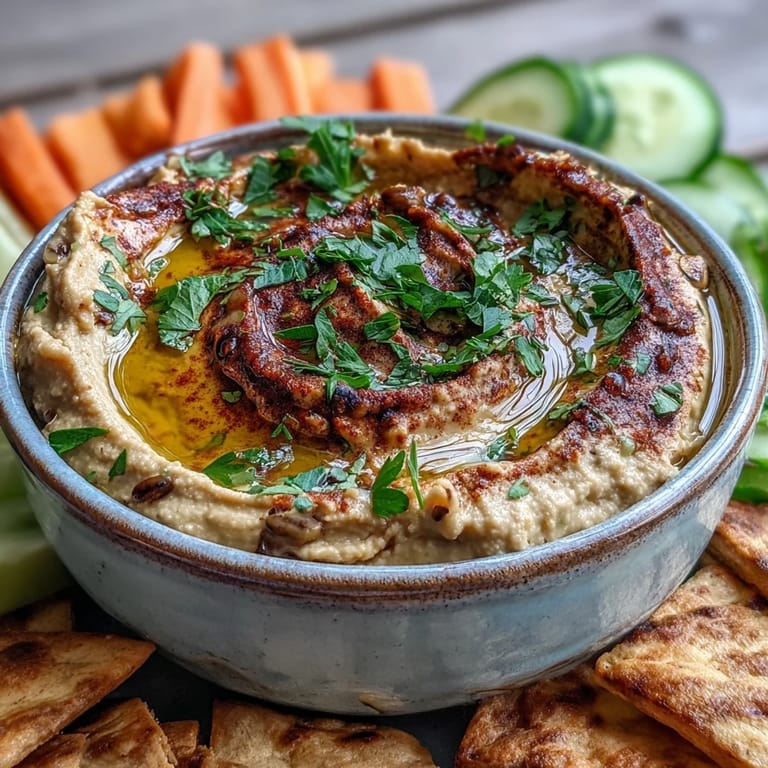
- Arrange a platter with cucumber slices, radishes, and cherry tomatoes around the bowl for a beautiful appetizer spread.
- Spread it on a sandwich instead of mayo for something that tastes brighter and feels less heavy.
- Dollop it on soup or roasted vegetables for an instant upgrade that takes no extra work.
 Save
Save This hummus has become one of those recipes I make without thinking, reaching for it when I need something that feels good to eat and good to share. Every time someone asks for the recipe, I feel a little happy knowing it'll show up on their table too.
Recipe FAQ
- → Can I use canned black-eyed peas?
Yes, canned black-eyed peas work perfectly. Simply drain and rinse one can (approximately 2 cups) before adding to the food processor. This shortcut reduces prep time even further.
- → How long does this keep in the refrigerator?
Store in an airtight container for up to 4 days. The flavors actually develop and meld over time, often tasting even better on day two or three.
- → What makes this different from traditional hummus?
Black-eyed peas bring a slightly creamier texture and milder flavor compared to chickpeas. They also offer excellent protein content while maintaining that classic smooth consistency.
- → Can I make this without tahini?
Tahini provides essential creaminess and nutty flavor. For substitution, try additional olive oil or a spoonful of Greek yogurt, though the texture and taste profile will change noticeably.
- → What's the best way to serve this?
Serve chilled or at room temperature with raw vegetables, warm pita triangles, or crackers. It also makes an excellent sandwich spread, burger topping, or base for grain bowls.
- → Is this suitable for meal prep?
Absolutely. Prepare a batch on Sunday and portion into containers for quick snacks or lunches throughout the week. It holds its texture beautifully and travels well.